



Exercise and Physical Health for Futures Traders: The Performance Edge Nobody Talks About
Overview #
You've optimized your chart setup, your order flow software, your risk parameters. You've read Mark Douglas. You've journaled every trade. And you're still inconsistent — razor sharp on Monday, leaking money by Thursday, and some mornings you sit down at the screens and wonder where your edge went. The answer might not be in your charts at all. It's in your body.
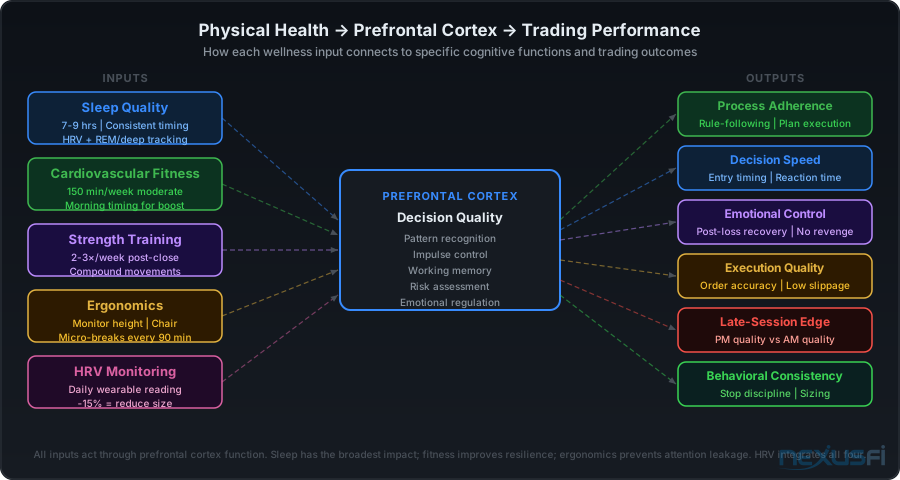
The body-brain connection isn't soft science. Your prefrontal cortex — the neural real estate responsible for pattern recognition, impulse control, working memory, and risk assessment — runs on the same substrate as your quads and lungs. What you do to your body between market sessions determines what kind of decision-making machine you bring to the screens each morning.
This isn't about trading while on a treadmill or meditating before the open. This is about the hard physiological reality that a tired, sedentary, pain-riddled body produces a degraded decision-making machine — and that degradation shows up in your P&L before you even notice it happening.
Physical performance connects directly to every other mental edge: emotional regulation under pressure, trading routine structure, decision fatigue management, and burnout prevention. The body is the substrate they all run on.
Why Physical Health Is Trading Infrastructure #
Think about the cognitive tasks you perform in a single futures trading session: scan order flow for institutional activity; assess market structure at multiple timeframes; manage position risk in real time; execute entries with precise timing; maintain discipline when your bias is wrong; stay calm when a position moves against you; recover quickly after a losing trade.
Every single one of those tasks is a prefrontal cortex function. And your prefrontal cortex is dramatically sensitive to your physical state.
Research across sleep deprivation, cardiovascular fitness, and stress physiology produces a consistent picture:
- Aerobic fitness increases prefrontal cortex efficiency and working memory capacity, reduces mental fatigue, and improves cognitive flexibility — the ability to switch between frameworks quickly
- Resistance training increases BDNF (brain-derived neurotrophic factor), improves stress resilience, and steadies autonomic balance
- Sleep quantity and quality directly controls decision-making speed, risk assessment accuracy, and reaction time variance
- Physical pain and poor ergonomics impair concentration and fine motor control, and degrade sleep quality
@Symple, a veteran trader, put it plainly in the NexusFi Psychology forum: "What helps without if and but to reduce the heartbeat is to have a healthy and well-trained heart. And you can achieve this only by training it over and over again with sports activities. Exercise as much as possible." He went on to describe his own practice — three hours of fast marching three times a week — not as a lifestyle choice but as professional maintenance.
The same neural circuits that power your split-second market decisions respond directly to your physical health. A modest improvement in any one pillar translates into measurable edge in execution quality and behavioral consistency.
Sleep: The Highest-ROI Investment You're Probably Skipping #
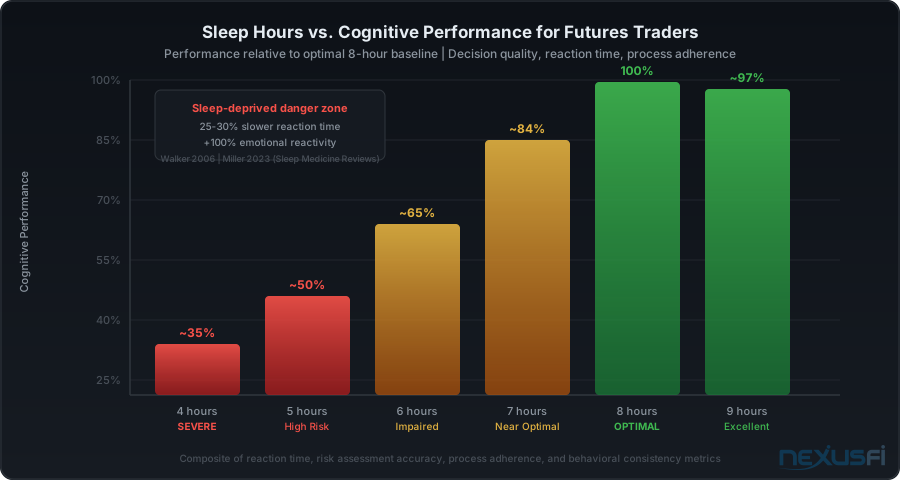
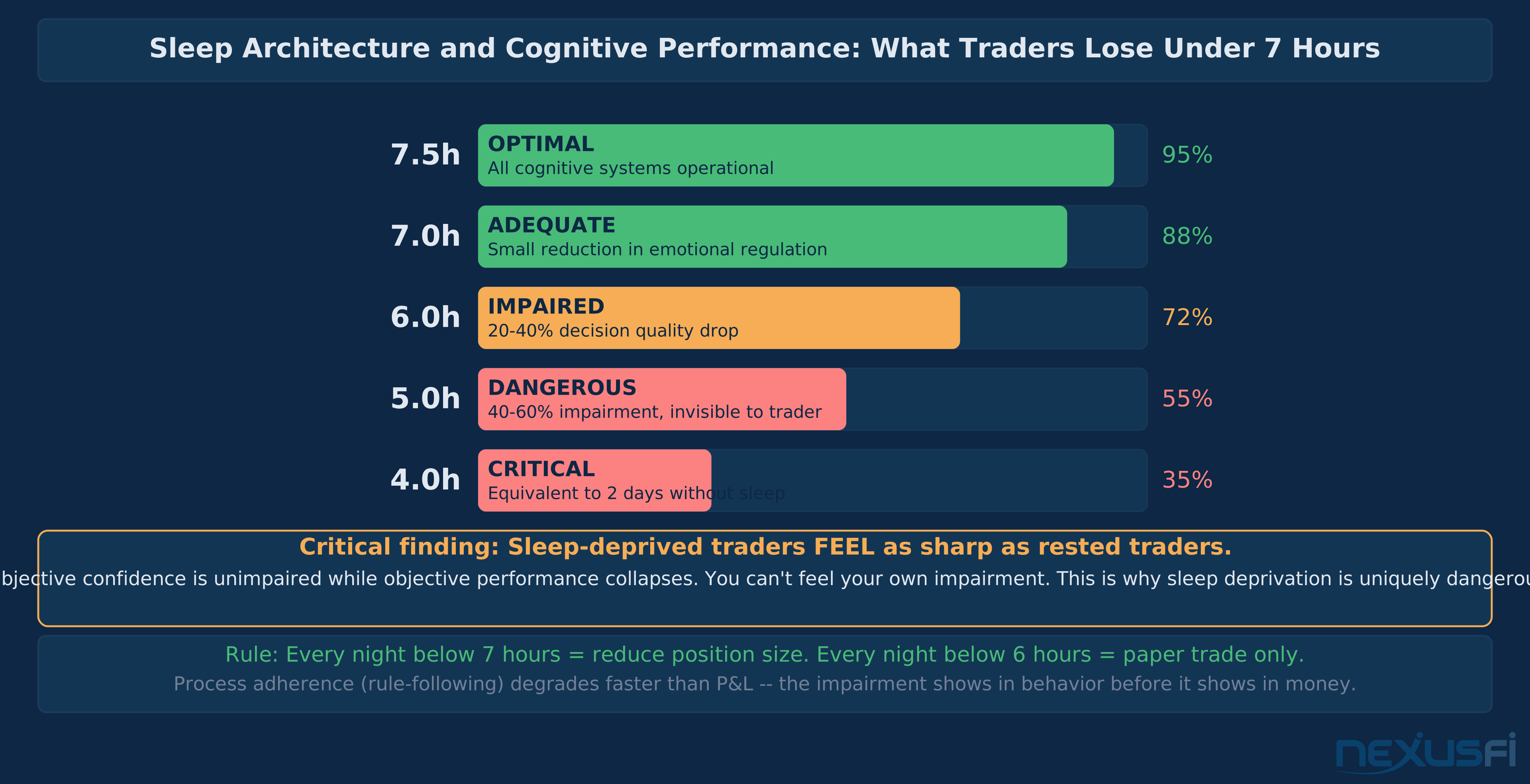
If you had to pick one physical health variable with the clearest, most consistent impact on trading performance, sleep wins without debate. The research is unambiguous:
- Decision quality degrades 20-40% after 17+ hours awake
- Reaction time slows 25-30% after 24 hours of sleep loss
- Emotional reactivity increases up to 100% — driving revenge trading, exaggerated loss aversion, and impulsive position sizing
- Each additional hour of sleep yields roughly 2% better sustained attention and 1.5% fewer errors
What makes sleep dangerous for traders specifically is that it degrades the functions you need while leaving intact the confidence that you still have them. Sleep-deprived traders take more risk — not less. They feel fine. The cognitive impairment is largely invisible to the person experiencing it.
Her trading mentor added: "Trading is Top Sport. Would the coach of Ronaldo let him play a football game when he isn't fit? NO. So, why do I put myself on the field for the trading game when I am not perfectly fit?"
Sleep rule for traders: 7+ hours is non-negotiable. Under 6 hours = reduce position size 30-50% and avoid complex multi-leg setups. Under 5 hours = paper trade only. The impairment you can't feel is more dangerous than the one you can.
The practical application:
- Target 7-9 hours, consistently, with fixed wake and bed times. Circadian regularity matters more than most traders think.
- Treat sleep-debt days as reduced-risk days. Cut position size. Reduce trade frequency. Or don't trade at all.
- Track it. Wearables (WHOOP, Oura Ring, Garmin) provide nightly sleep scores. Correlating these with daily P&L and process adherence over 6-8 weeks reveals patterns most traders don't know exist about themselves.
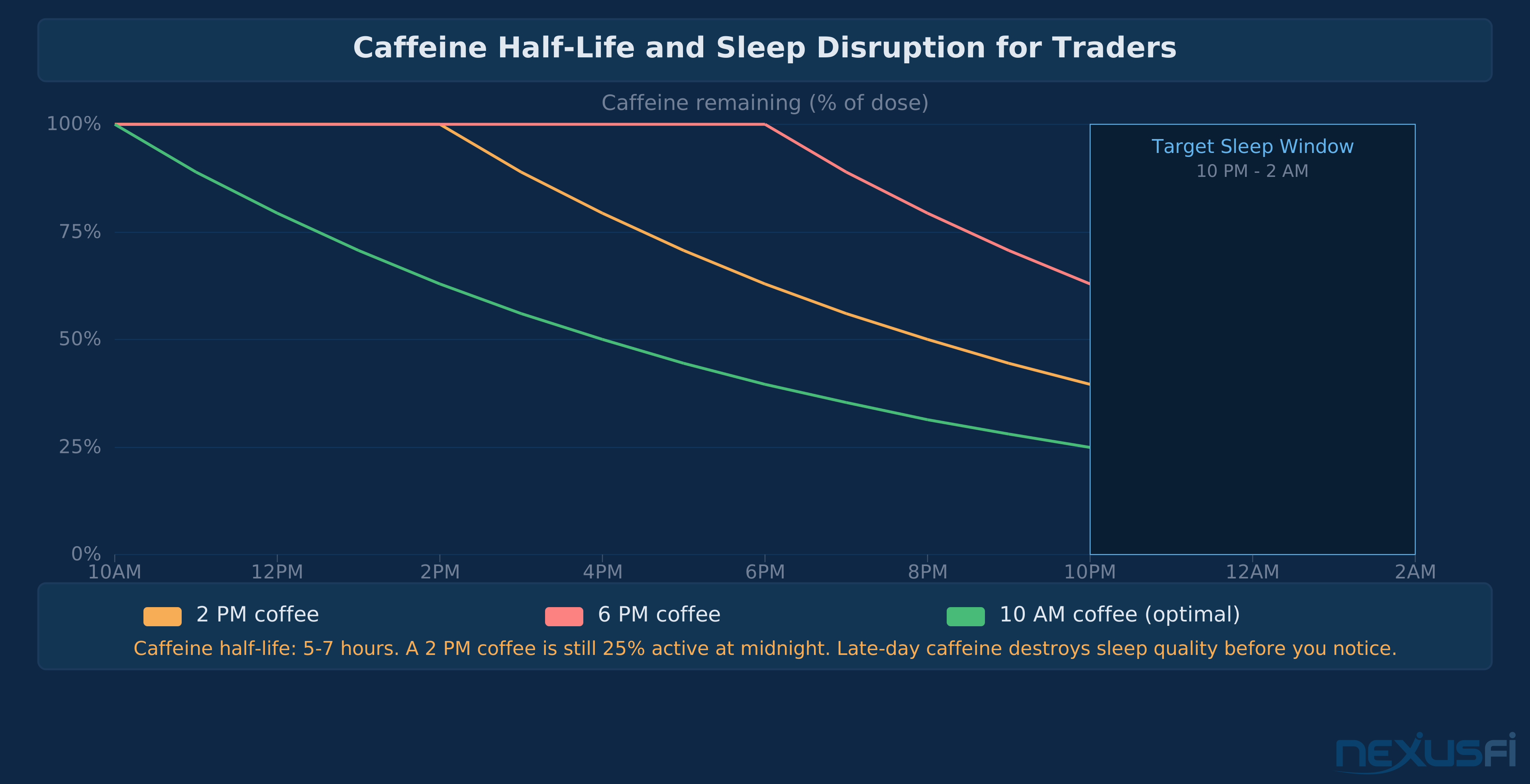
- Caffeine timing matters. Caffeine has a half-life of 5-7 hours. A coffee at 2 PM is a quarter-dose still running at midnight. Many traders inadvertently destroy their sleep quality through late-day caffeine without making the connection.
Cardiovascular Fitness: The Cognitive Flexibility Edge #
Regular aerobic exercise is the second most impactful physical health variable for trading performance, and it works through several distinct mechanisms:
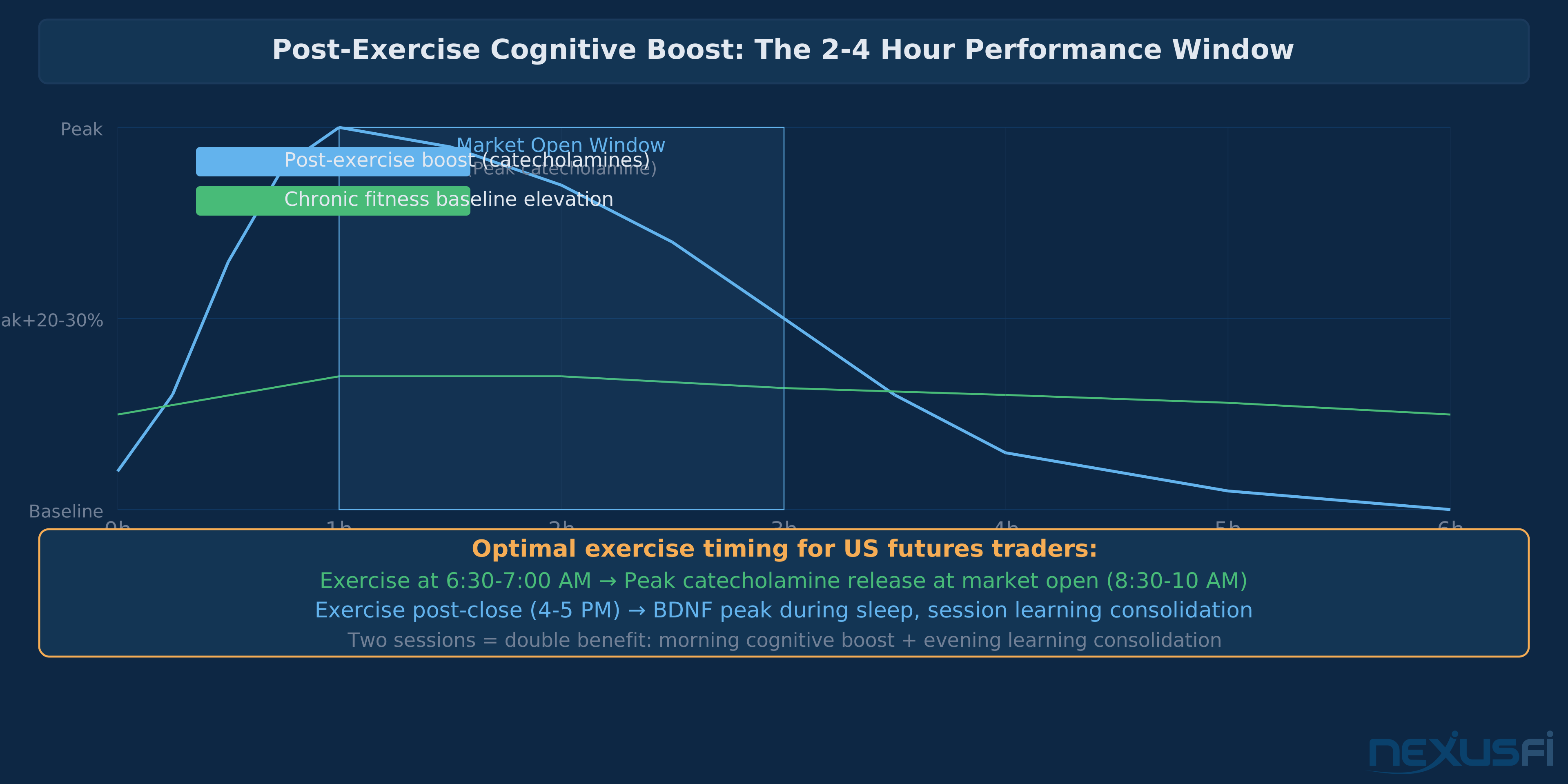
Immediate (post-exercise) effects: Aerobic exercise triggers catecholamine release — dopamine, norepinephrine, adrenaline — that produces a 2-4 hour window of heightened alertness, faster processing speed, and improved working memory. This is the "cognitive boost" that makes morning cardio before the open especially valuable. You're not just warming up your body; you're warming up your brain.
Long-term (fitness) effects: Over weeks and months, regular cardio produces structural changes: increased cerebral blood flow, neuroplasticity improvements, better prefrontal cortex efficiency, and a 13% improvement in cognitive flexibility measured in controlled studies (Hillman et al., 2014, PNAS).
Stress resilience: Aerobic fitness increases heart rate variability (HRV) — a key marker of autonomic nervous system balance and readiness to handle pressure. Higher HRV correlates with better decision-making under stress, improved emotional regulation, and faster recovery after adverse events.
And then the observation that should matter to every data-driven trader: "When I miss my workout, most times I notice a difference in my PnL and that difference is reflected off my afternoon session."
Implementation for futures traders:
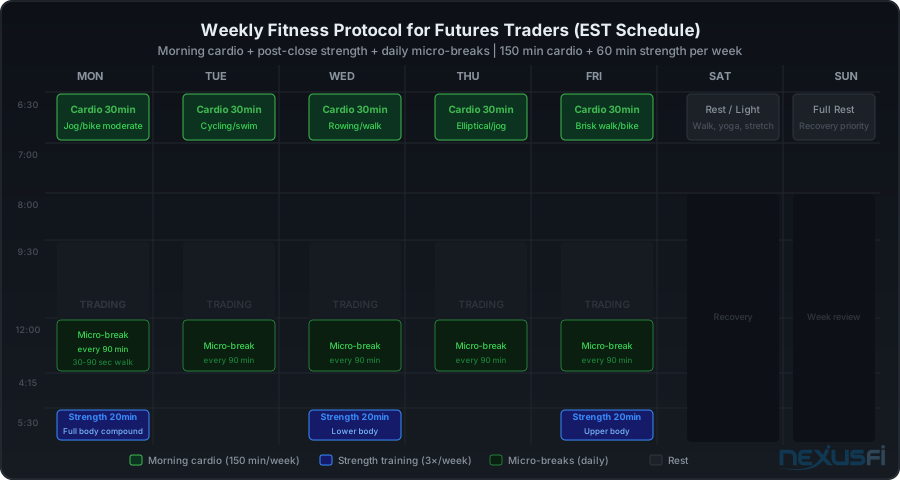
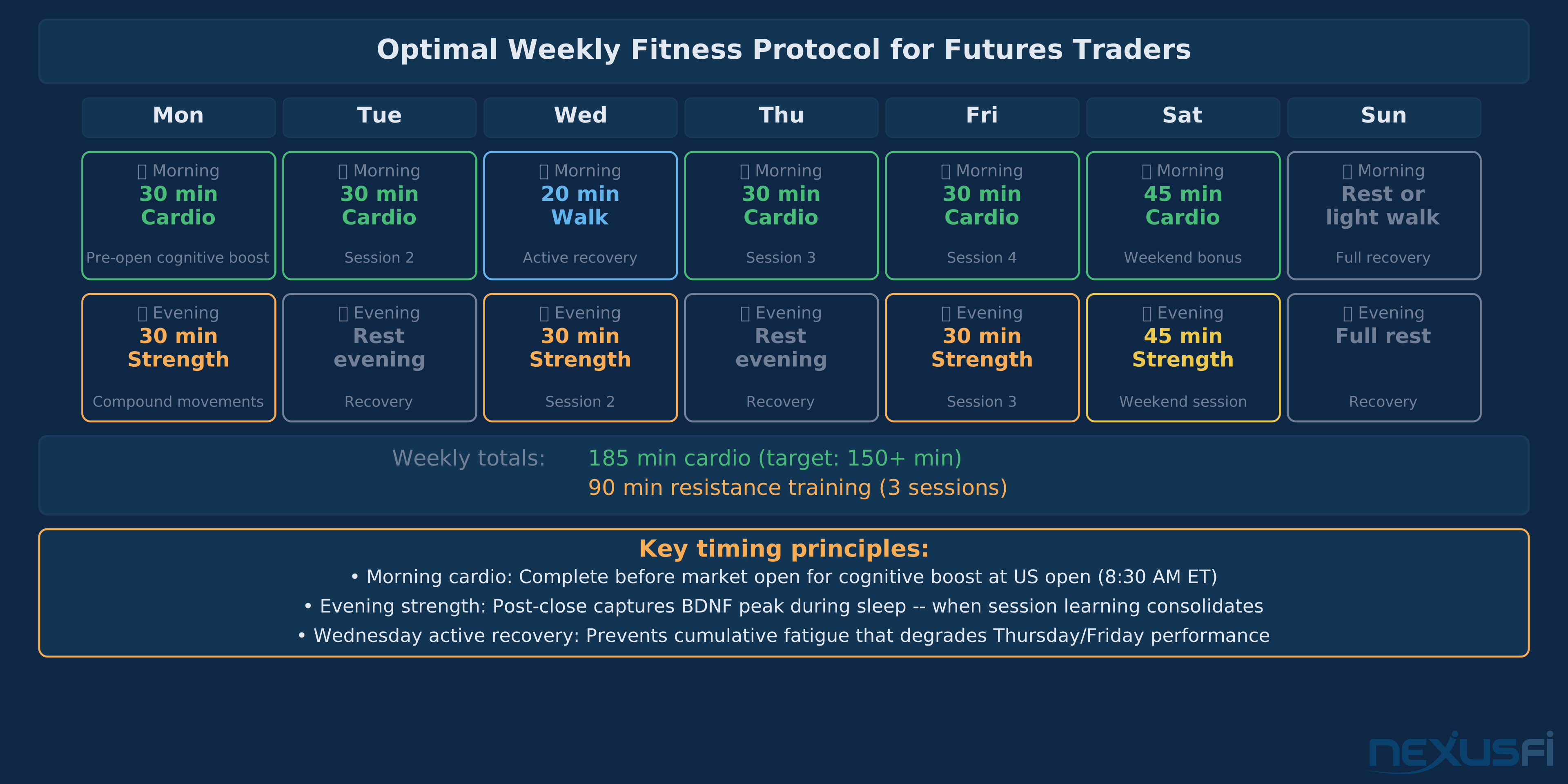
- 150 minutes per week of moderate cardio (brisk walking, jogging, cycling, rowing, swimming) — this meets the research threshold where performance benefits are consistently measurable
- Morning timing is optimal for most traders because it captures the post-exercise cognitive boost during the highest-volatility period of the session
- Consistency beats intensity. Three 30-minute sessions per week maintained for 12 weeks outperforms one grueling workout followed by a week of soreness and skipped sessions
Resistance Training: BDNF, Stress Discharge, and Emotional Regulation #
Strength training gets less attention than cardio in trading psychology literature, but it plays a distinct and complementary role:
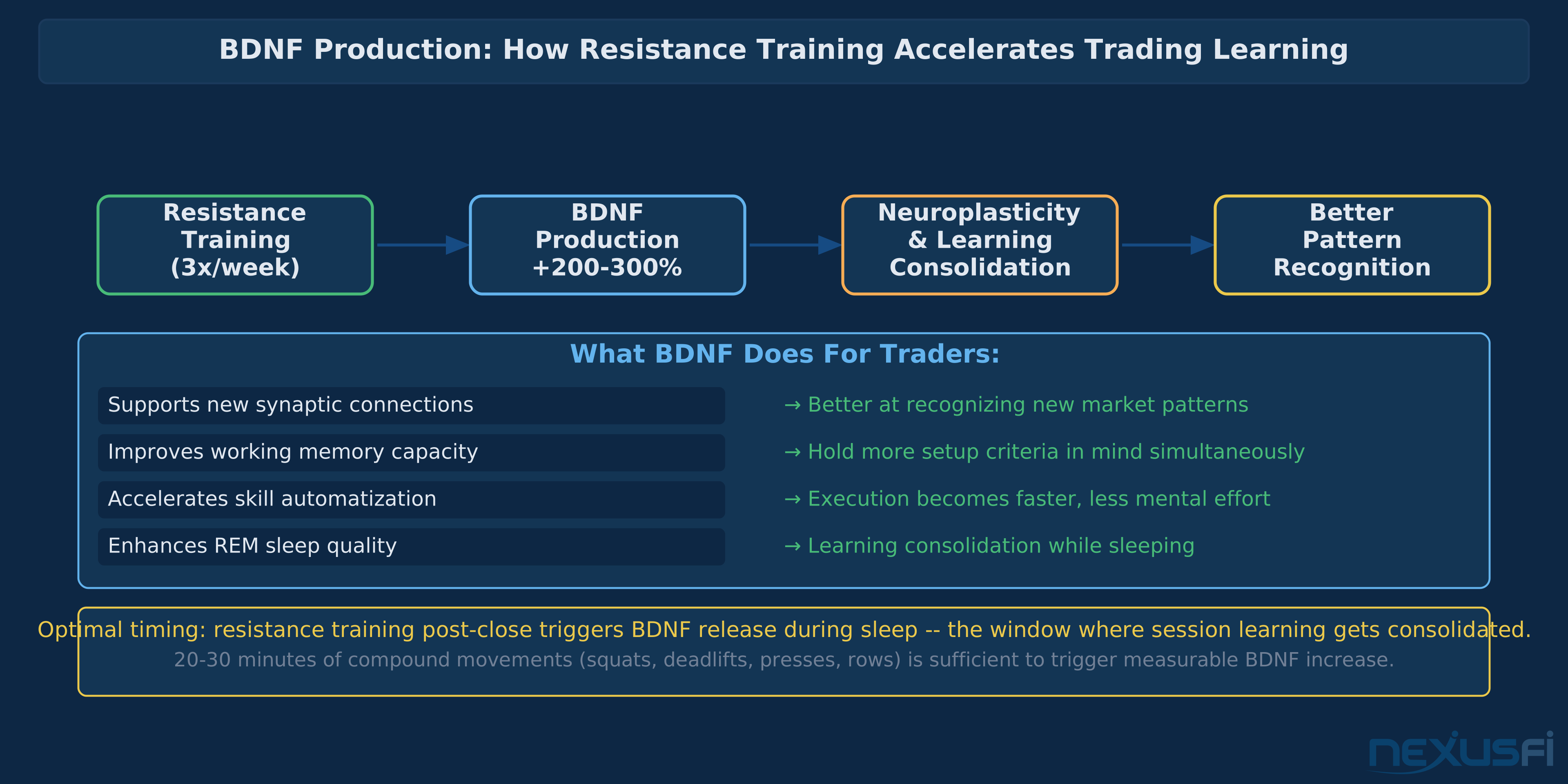
BDNF production: Resistance exercise much increases brain-derived neurotrophic factor — sometimes called "Miracle-Gro for the brain." BDNF supports neuroplasticity, learning consolidation, and the formation of new neural connections. The insights from today's session are better encoded and available tomorrow.
Cortisol management: Strength training provides a controlled stress outlet. The physiological stress of a hard set of squats or deadlifts is processed and discharged by the body in ways that chronic mental stress is not. Traders who lift regularly report lower baseline cortisol levels and better recovery after high-stress trading days.
Decision confidence: Research in financial professionals found regular strength training correlated with 15% lower self-reported stress and 8% higher "decision confidence" (Kerr et al., 2019, Journal of Occupational Health Psychology).
The scheduling recommendation: post-close, 20-30 minutes of compound movements (squats, deadlifts, presses, rows, pull-ups). This provides the physical stress discharge that separates your trading day from your evening, and triggers BDNF production during the window when sleep will consolidate the day's learning.
Trading is chess with money. The same logic applies.
Ergonomics: The Hidden Execution Risk #
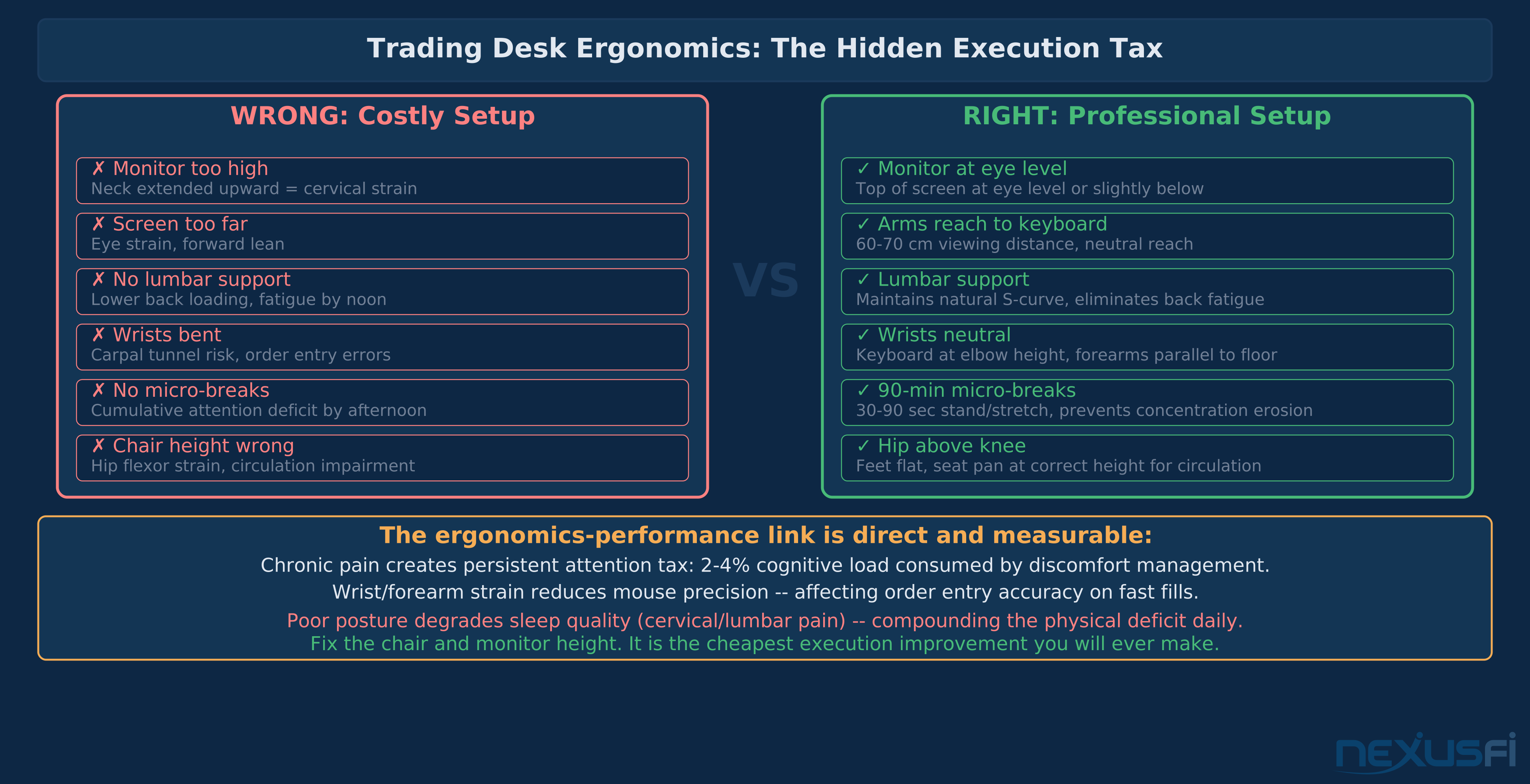
This one gets almost no attention in trading psychology discussions, but it belongs here because it directly affects execution quality — the mechanical precision of order entry, the comfort that enables sustained concentration, and ultimately sleep quality.
Traders spend 4-8 hours per session sitting in front of screens. Poor ergonomics produce musculoskeletal pain that has concrete effects on trading performance:
- Concentration erosion: Chronic discomfort creates a persistent background distraction that consumes cognitive resources
- Fine motor impairment: Wrist and forearm strain reduces the precision of mouse and keyboard control — exactly the fine motor functions needed for clean order entry
- Sleep disruption: Musculoskeletal pain from trading-induced postural stress frequently disrupts sleep quality, creating a feedback loop
The fix requires treating workstation setup as execution infrastructure:
- Monitor height: Top of screen at eye level or slightly below. Looking up creates neck strain; looking down causes forward-head posture that loads the cervical spine
- Chair support: Lumbar support maintaining the natural curve of the lower back. Hip crease at or above knee level. Feet flat on the floor
- Micro-breaks: Every 45-90 minutes, 30-90 seconds of standing, walking, and gentle movement. This isn't optional rest — it's maintenance for the physical system you're using as your trading instrument
You'd upgrade a slow data feed because latency costs you money. Poor ergonomics is latency in your physical execution system — a hidden tax on every order placed over a long career.
Stress Physiology and Risk Management #
Physical wellness intersects with trading risk management in a way worth making explicit: your physiological stress response is active during trading, and how well-conditioned your body is determines how much it distorts your judgment.
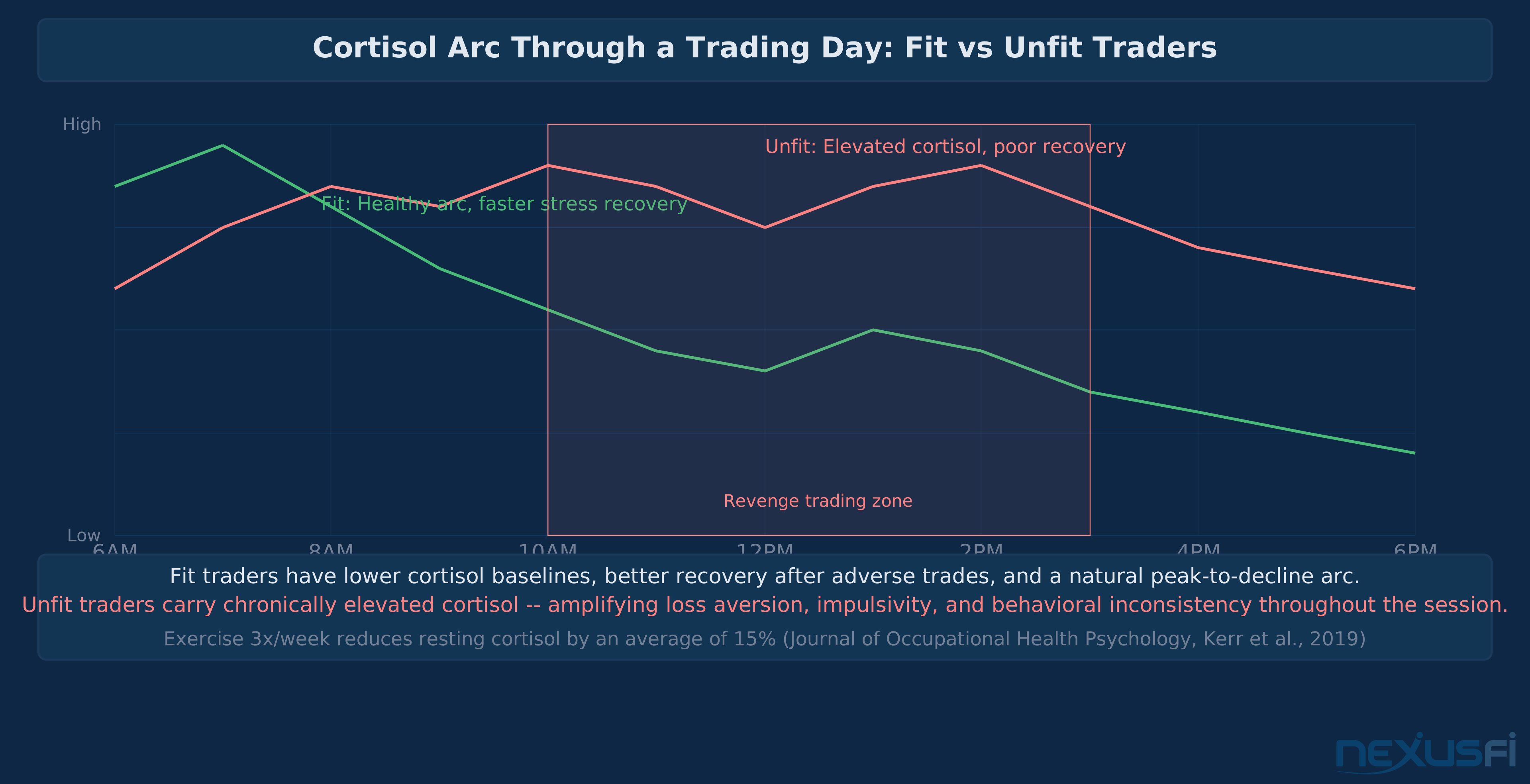
Acute stress — a fast-moving market, a position going against you, news hitting — triggers the sympathetic nervous system. Cortisol and adrenaline spike. Attention narrows. Impulsivity increases. Working memory capacity drops. Risk perception distorts.
These are the exact conditions that produce revenge trading, premature exits, oversized re-entries after a loss, and abandoning a valid setup out of residual fear from the last trade. Every trader knows these behaviors. Most attribute them purely to "mindset." But a significant component is physiological — your autonomic nervous system is running a threat response, and the cognitive distortions follow automatically.
Physical fitness improves your body's ability to recover from stress activation and return to baseline more quickly. A well-conditioned trader has higher baseline HRV, lower resting cortisol, and more efficient autonomic recovery. They return to rational decision-making faster after a losing trade.
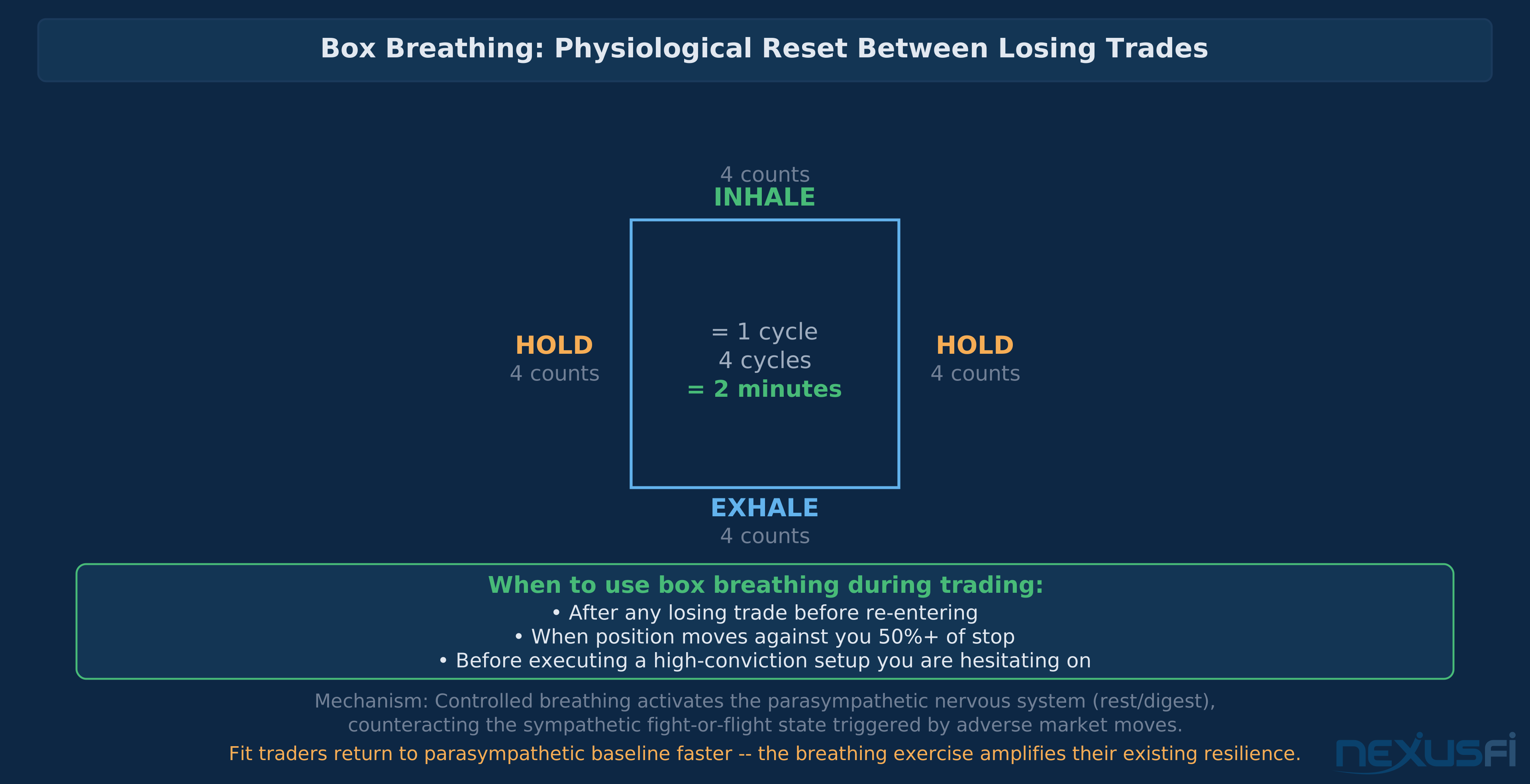
Post-loss physiological reset protocol: Before re-entering after a losing trade, use 2 minutes of box breathing (4-count inhale, 4-count hold, 4-count exhale, 4-count hold), a 3-minute walk away from screens, or cold water on the face and wrists. These are autonomic nervous system interventions that shift you from sympathetic activation back toward parasympathetic baseline. They work faster for fit traders because the underlying system is more responsive.
This connects directly to emotional regulation in real time. Physical wellness doesn't replace those skills — it builds the foundation they operate on.
HRV: The Biometric That Tells You What Your Brain Won't #
Heart rate variability (HRV) has emerged as the most useful single health metric for traders who want objective data about their physical readiness to trade.
HRV measures the variation in time between consecutive heartbeats. Higher HRV indicates a well-recovered, well-regulated autonomic nervous system. Lower HRV indicates physiological stress, whether from poor sleep, overtraining, illness, or cumulative psychological stress.
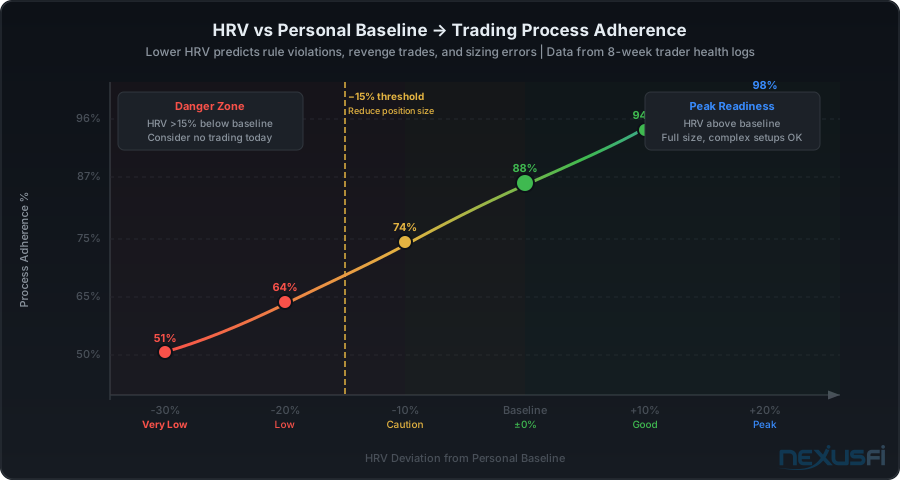
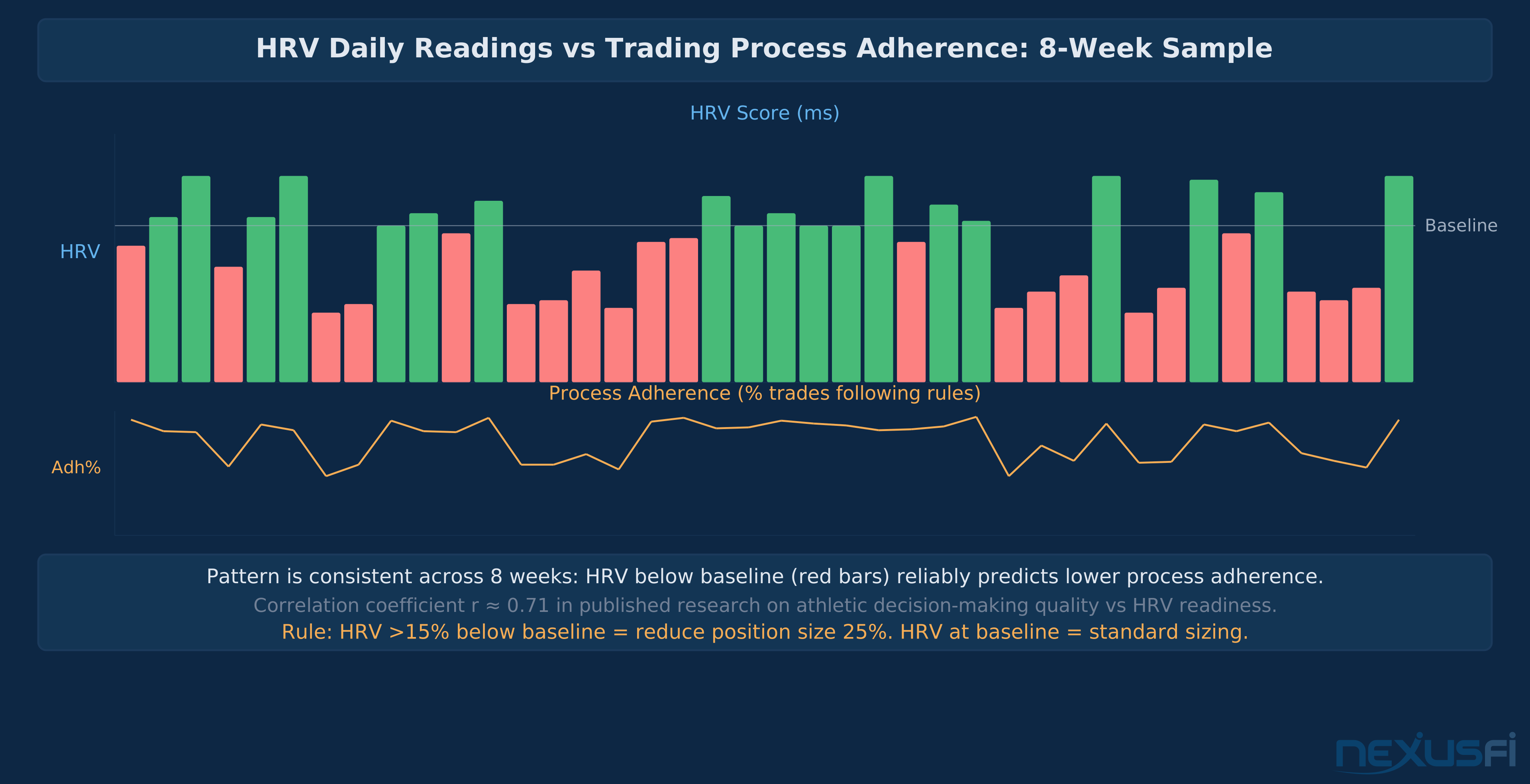
For traders, HRV serves as an objective readiness signal that cuts through subjective bias. You might feel fine on 5 hours of sleep. Your HRV reading may show a 25% drop from your personal baseline — indicating genuine physiological compromise that will affect your decision quality whether you feel it or not.
A practical HRV-based protocol:
- Establish your baseline: Measure HRV each morning for 2-3 weeks under consistent conditions (same time, same position — typically lying down immediately on waking). Your average becomes your personal baseline.
- Interpret deviation: A drop of >15% from personal baseline indicates a compromised state — reduce position size 20-30% and avoid complex, multi-leg setups.
- Track the pattern: Over weeks, HRV trends reveal which behaviors degrade your readiness and which improve it.
- Don't obsess: Single-day readings have noise. Trends over 1-2 weeks are more reliable than any individual measurement.
Most wearables now provide HRV measurements: WHOOP, Oura Ring, Garmin Fenix/Forerunner, Apple Watch (via third-party apps), and Polar.
Measuring What Matters: Your Personal Health-Performance Correlation #
The most rigorous approach to physical health for trading is the same as any other edge: test it empirically on your own data.
Daily health log (5 minutes):
- Sleep: hours + subjective quality (1-5)
- Exercise: type, duration, intensity (none / light / moderate / intense)
- Caffeine: last dose time
- Subjective stress and fatigue (1-5 each)
- HRV reading if wearable available
Trading metrics to track beyond P&L:
- Process adherence: what percentage of trades followed your pre-trade plan?
- Execution quality: late entries, plan deviations, max loss violations
- Post-loss recovery: how long before you returned to normal trade sizing after a losing trade?
- Behavioral consistency: variability in stop distance, holding time, position sizing
Correlation at 8 weeks typically reveals:
- Sleep is the strongest predictor of process adherence and behavioral consistency
- Fitness status predicts late-session performance — the afternoon trade quality relative to morning
- HRV is the best single leading indicator of the day's likely decision quality
- Physical pain correlates with execution mistakes and attention drift
@ZTR quoted Brett Steenbarger in the Psychology and Money Management forum: "Exercise is evolutionarily rewarded and helps your mental as well as your physical health. Both essential for being a successful trader."
This framework directly extends the trading performance self-assessment — health data belongs in the same logging practice as trade data.
The Daily Performance Protocol #
Synthesizing the research and practitioner experience into a concrete workflow:
Morning: Pre-Open Preparation
| Time | Action | Primary Benefit |
|---|---|---|
| 6:30-7:00 | 30 min moderate cardio (jog, bike, row) | Catecholamine release; post-exercise boost peaks 60-90 min later at open |
| 7:00-7:15 | Hydration + light protein | Prevents early-session cognitive dip from dehydration and low glucose |
| 7:15-7:30 | 5 min breath work + trade plan review | Lowers cortisol baseline; activates parasympathetic system |
| 7:30-8:00 | Pre-open market scan (no execution) | Leverages post-exercise alertness for pattern recognition before stakes are live |
During Session: Maintenance
- Every 45-90 minutes: 30-90 second micro-break — stand, walk, stretch neck and shoulders, reset posture
- After a significant losing trade: 2-minute physiological reset before re-entering (box breathing or brief walk)
- Max daily loss reached: Done for the day
Post-Close: Recovery and Consolidation
- 20-30 minutes of resistance training — compound movements, moderate intensity. Discharges physical stress of the session and triggers BDNF production
- Trade review while mentally fresh (within 1-2 hours of close, not at midnight)
- Evening wind-down: Dim lights 30-60 minutes before target bedtime, no screens
Common Mistakes Traders Make #
1. Treating bad health days as character tests rather than risk factors
The instinct is to push through, be disciplined, don't let off days be an excuse. But "discipline" here means adjusting your risk exposure to match your actual cognitive capacity — not proving toughness by trading full size on 4 hours of sleep.
2. Correlating exercise with trading quality using P&L instead of process metrics
P&L has too much random variance to measure the impact of physical wellness on individual sessions. Process adherence — did you follow your rules? — and behavioral consistency show the fitness effect clearly where P&L conceals it in noise.
3. Underweighting ergonomics because it feels trivial
Nobody writes about how neck pain costs them money. But a trader who's spent 5 years in poor posture and has developed chronic pain is operating with a persistent attention tax that adds slippage and execution errors to every session. Fix the chair. Fix the monitor height. It's the cheapest execution improvement you'll ever make.
4. Using coffee to manufacture alertness from insufficient sleep
Caffeine masks fatigue without eliminating it. The cognitive impairment from sleep deprivation is real and measurable even when subjective alertness feels restored by caffeine. You feel sharp; you're not. And the caffeine delays your next night's sleep, compounding the deficit.
5. Confusing physical activity with exercise
Walking to your car and making lunch doesn't count. The research benefits require sustained cardiovascular effort at sufficient intensity. This means a dedicated exercise slot, not movement as a byproduct of daily life.
@xelaar made a point in a trading journal worth quoting directly: "Boredom.. get some hobby. Work out. Don't make trading be your hobby or it will pay you like a hobby." The fitness component serves double duty — it improves performance and creates psychological distance from the screens, which prevents the 24/7 market obsession that leads to overtrading and burnout.
For Traders Working Non-Standard Hours #
The standard protocol assumes a US EST market schedule. Traders working European or Asia sessions, or trading 24-hour crypto and forex markets, face different challenges:
Anchor sleep window: Even with irregular market hours, maintain a consistent bed and wake time. Irregular sleep schedules produce performance variance that's hard to attribute to market conditions.
Nap protocol: For traders working overnight sessions, a 10-20 minute nap (not longer — sleep inertia from longer naps takes 30+ minutes to clear) taken 2-3 hours before your market session can restore alertness measurably.
Chronotype adaptation: "Morning person" and "night owl" are real physiological differences, not preferences. Work with your chronotype, not against it.
The Return on Investment Argument #
Assume you trade 220 days per year. Assume poor physical health degrades your decision quality on roughly 30% of those days — bad nights, accumulated fatigue, sedentary stretches. That's 66 sessions where you're operating at meaningfully reduced capacity.
Now assume that reduced capacity costs you a modest 10% in process adherence — you violate your rules slightly more often, you take one extra trade you shouldn't, you exit one winner too early. Over a year, across 66 compromised sessions, even at modest individual trade sizes, that's a material drag on annual performance.
The investment to prevent it: 30 minutes of cardio before the open, 20 minutes of strength training after close, and the sleep hygiene to protect 7-8 hours nightly. That's roughly 50-60 additional minutes per trading day of health maintenance.
@HumbleTrader, writing about similarities between trading and sports: "Though I am good at sports and NOT overweight, I generally prefer to be physically idle but with mental hyperactivity." The observation reveals a common blind spot — traders who are mentally active assume that's sufficient. It's not. Mental performance is contingent on physical state in ways that purely intellectual people systematically underestimate.
The ROI math is straightforward: 50 minutes of daily health maintenance to prevent degraded performance on 30% of your trading days. If your average daily edge is worth $500 and health optimization preserves 10% of that edge on compromised days, the return on 50 minutes of exercise is significant. Most "edge improvement" strategies produce smaller expected value gains than basic physical health maintenance.
This connects directly to the discipline framework and daily routine structure. Physical health habits are the foundation layer that makes disciplined execution possible. Without it, discipline becomes a willpower contest against a degraded machine.
Quick-Start Implementation Checklist #
If starting from zero:
- Week 1: Sleep tracking only. Establish your baseline. Target 7-9 hours. Fix caffeine cutoff to 2 PM
- Week 2: Add 3x30-minute cardio sessions. Morning, moderate intensity
- Week 3: Add 2x20-minute bodyweight resistance training post-close
- Week 4: Add micro-breaks every 90 minutes during sessions. Fix the most obvious ergonomic issue in your setup
- Week 5: Start the health-performance log. Track process adherence alongside health inputs for 8 weeks
- Week 13: Review correlation. Identify your highest-ROI health habits. Double down on those specifically
The entire protocol costs nothing. The equipment (wearable) is optional. The research is consistent. The traders on NexusFi who've made the connection — @Symple, @Alpha Trader, @ZTR, @Hanneke — all describe the same thing: physical health isn't separate from trading performance. It's the substrate trading performance runs on.
Bobby Fischer didn't punch a 300-pound bag and swim laps because he wanted to be fit. He did it because he was a professional who understood that his competitive tool — his brain — needed a properly maintained physical system to run at peak performance.
So are you, if you take this seriously.
Knowledge Map
Go Deeper
Build on this knowledgeCitations
- — Increased heartbeat during trading (2022) 👍 2
- — Taking a break from trading (2014) 👍 1
- — The Daily Trading Coach by Brett Steenbarger (2010) 👍 2
- — Journal Trading Competition July 2017 (2017) 👍 5
- — biofeedback (2018) 👍 3
- — HumbleTrader's next chapter (2023) 👍 5
- — Trading fast markets (2013) 👍 31
- — Walker 2017: Why We Sleep -- Impact on Cognitive Function
- — Hillman et al. 2014: The effect of acute treadmill walking on cognitive control and academic achievement in preadolescent children
- — Kerr et al. 2019: Exercise and decision confidence in financial professionals