Proven trading methodologies for futures markets. Volume Profile setups, order flow scalping, breakout systems, mean reversion, and swing trading frameworks backed by real trader experience.
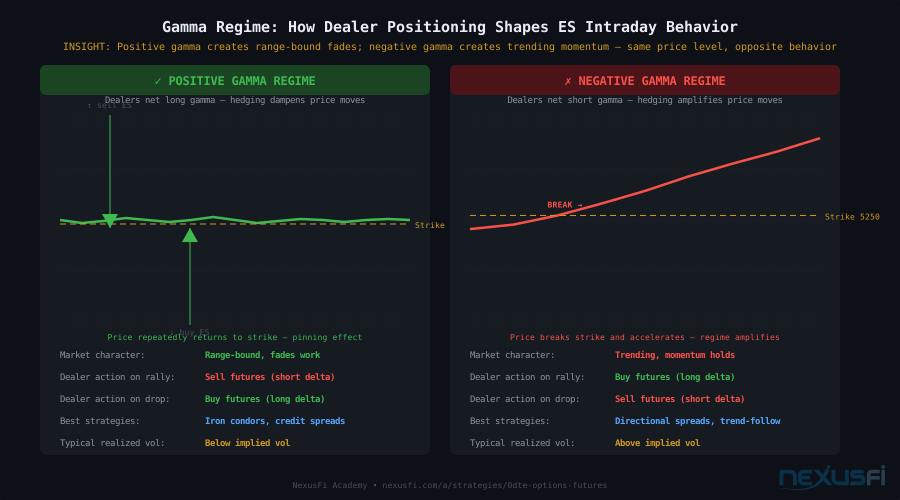
0DTE options on futures are same-day expiration contracts -- options that expire the day you buy or sell them. On the ES (S&P 500 E-mini), that means Monday,...
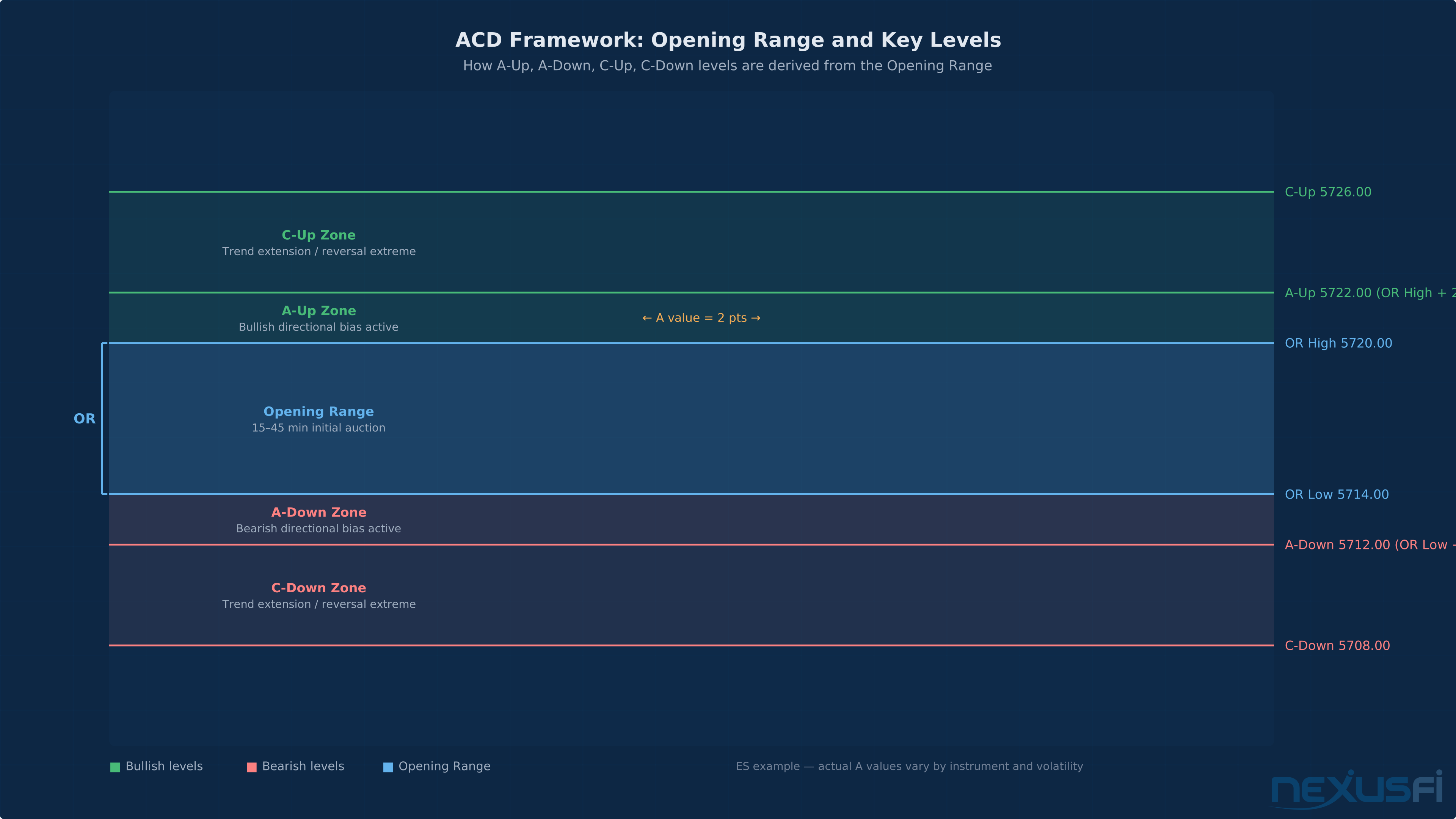
The opening of the regular trading session is not just the first trade. It is the first moment when the full participant pool -- retail, institutional, algor...
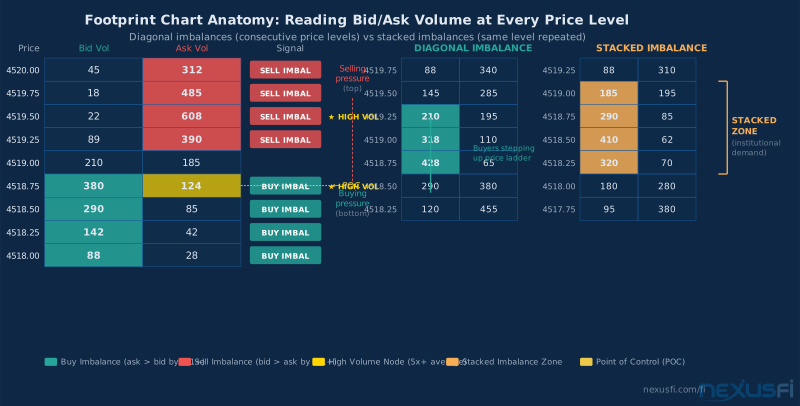
Overview Footprint charts are the most searched tool on NexusFi -- and for good reason. They show something standard price charts hide entirely: which side o...
Brooks starts with a premise that sounds obvious but has radical implications: every bar on your chart shows you what buyers and sellers did during that peri...
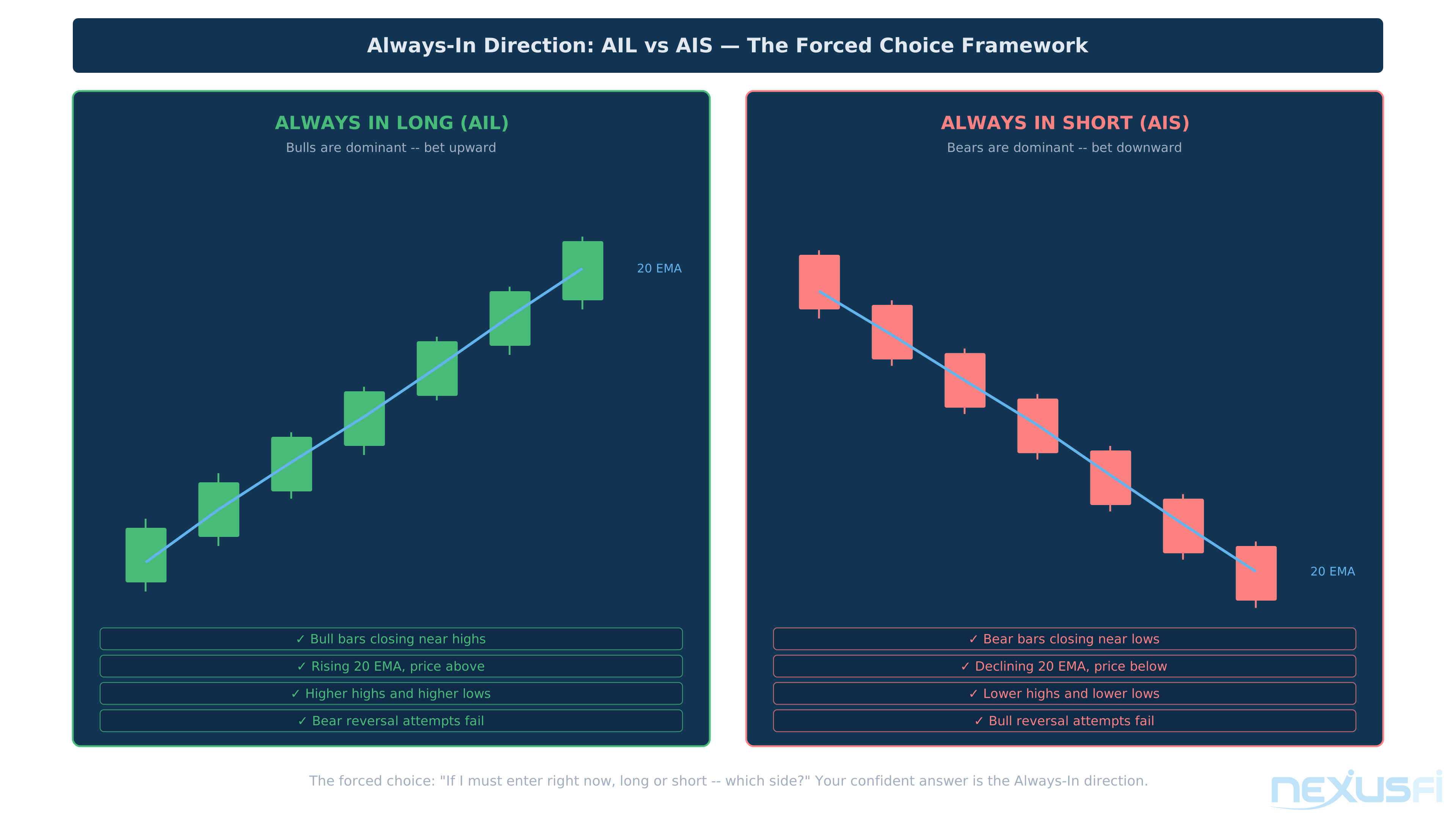
Most traders watch the market and ask "is this a good setup?" Al Brooks asks a harder question: "If I had to be in a trade right now -- long or short, no cho...
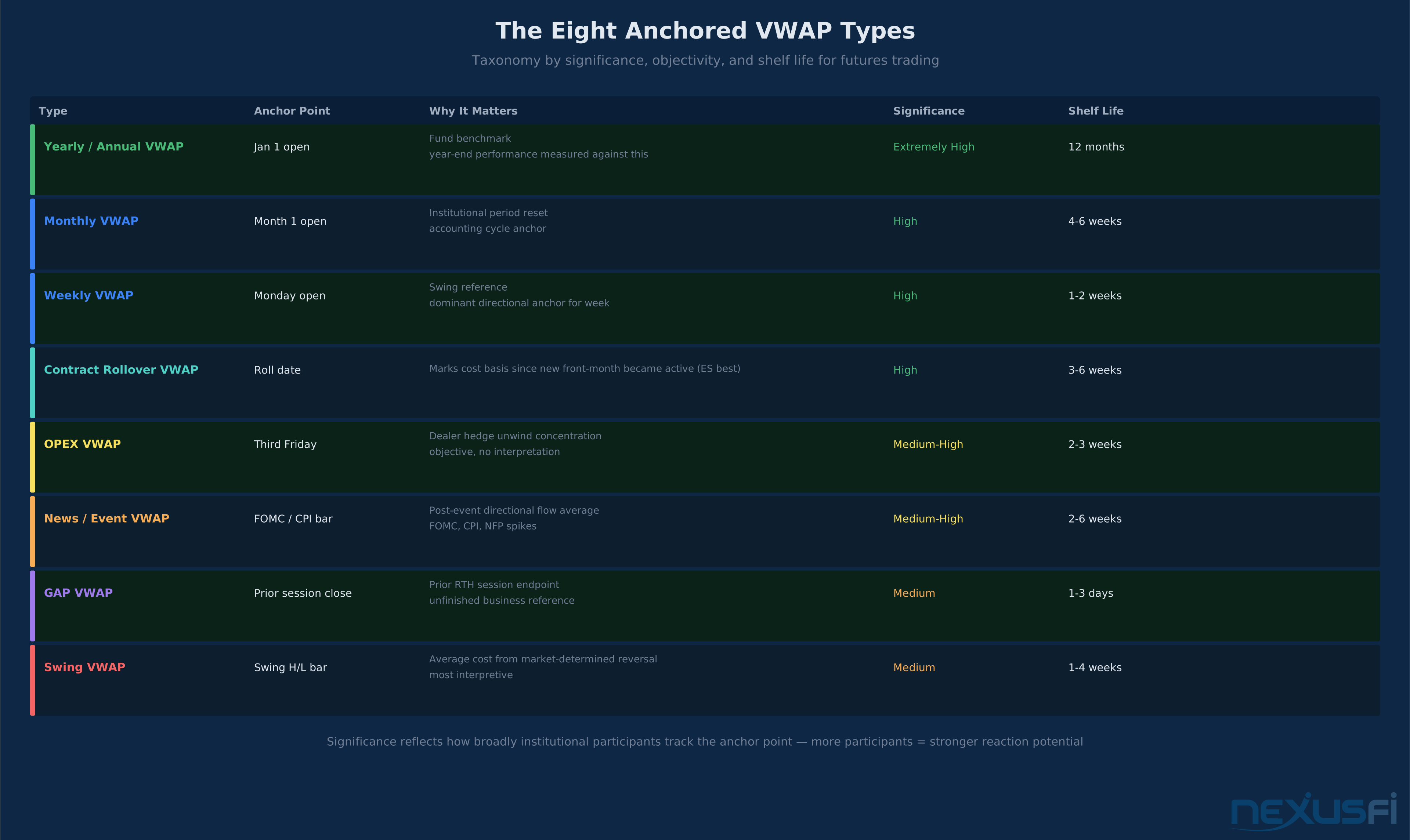
Session VWAP is the floor. Anchored VWAP is the entire building. The daily RTH VWAP tells you the average price of today's auction. That's useful for one thi...
Bar-by-bar reading is a real-time analytical skill developed by Al Brooks and documented extensively in his three-volume series on price action trading. Unli...
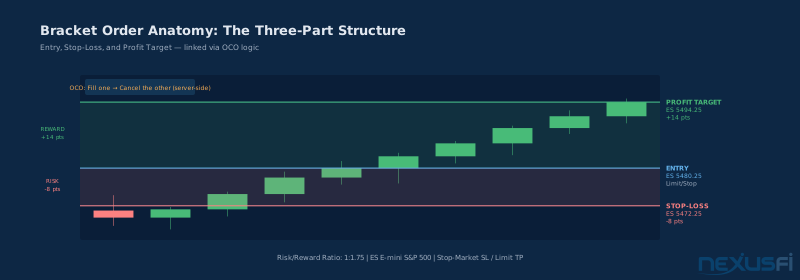
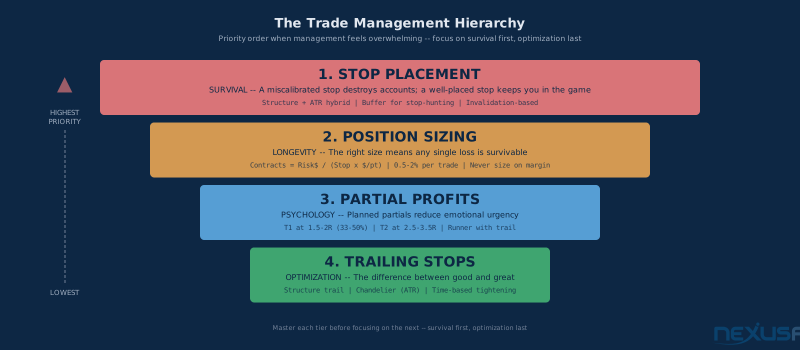
Overview Every futures trader eventually learns the same lesson, usually the expensive way: having a good read on the market means nothing if your exits are ...
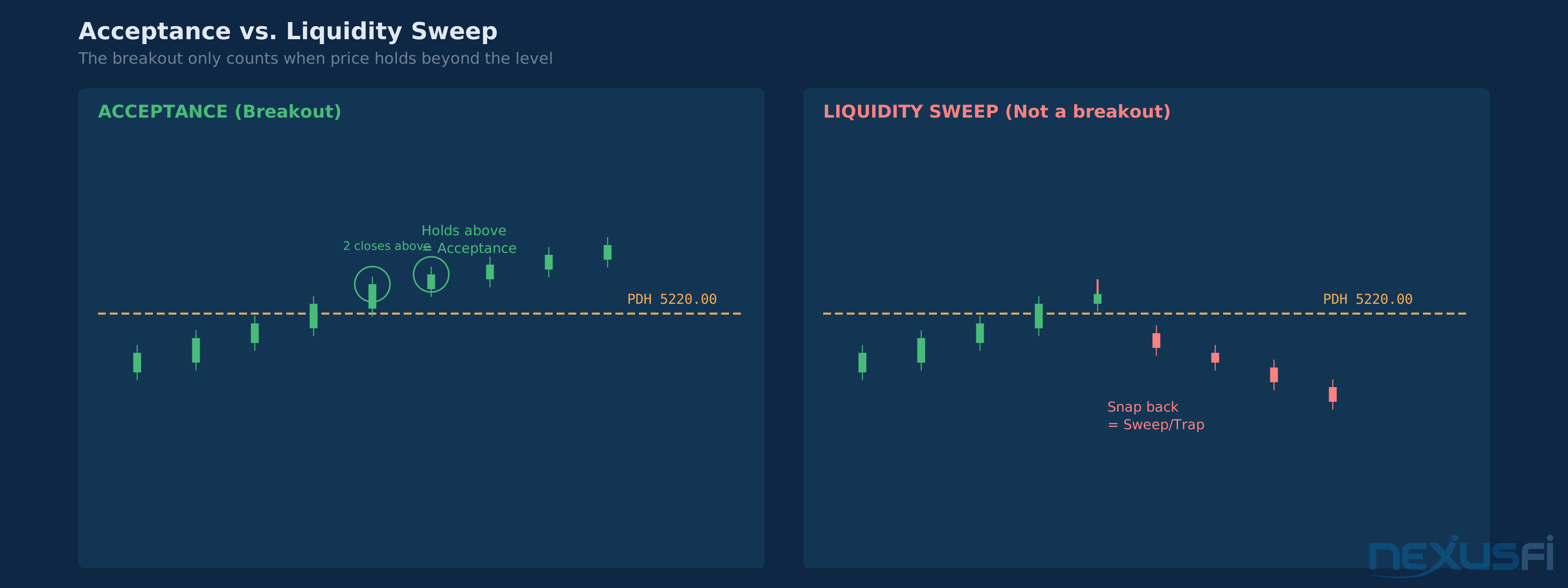
A breakout isn't price crossing a line. It's the market deciding it belongs somewhere new -- and staying there. That distinction is everything. Most breakout...
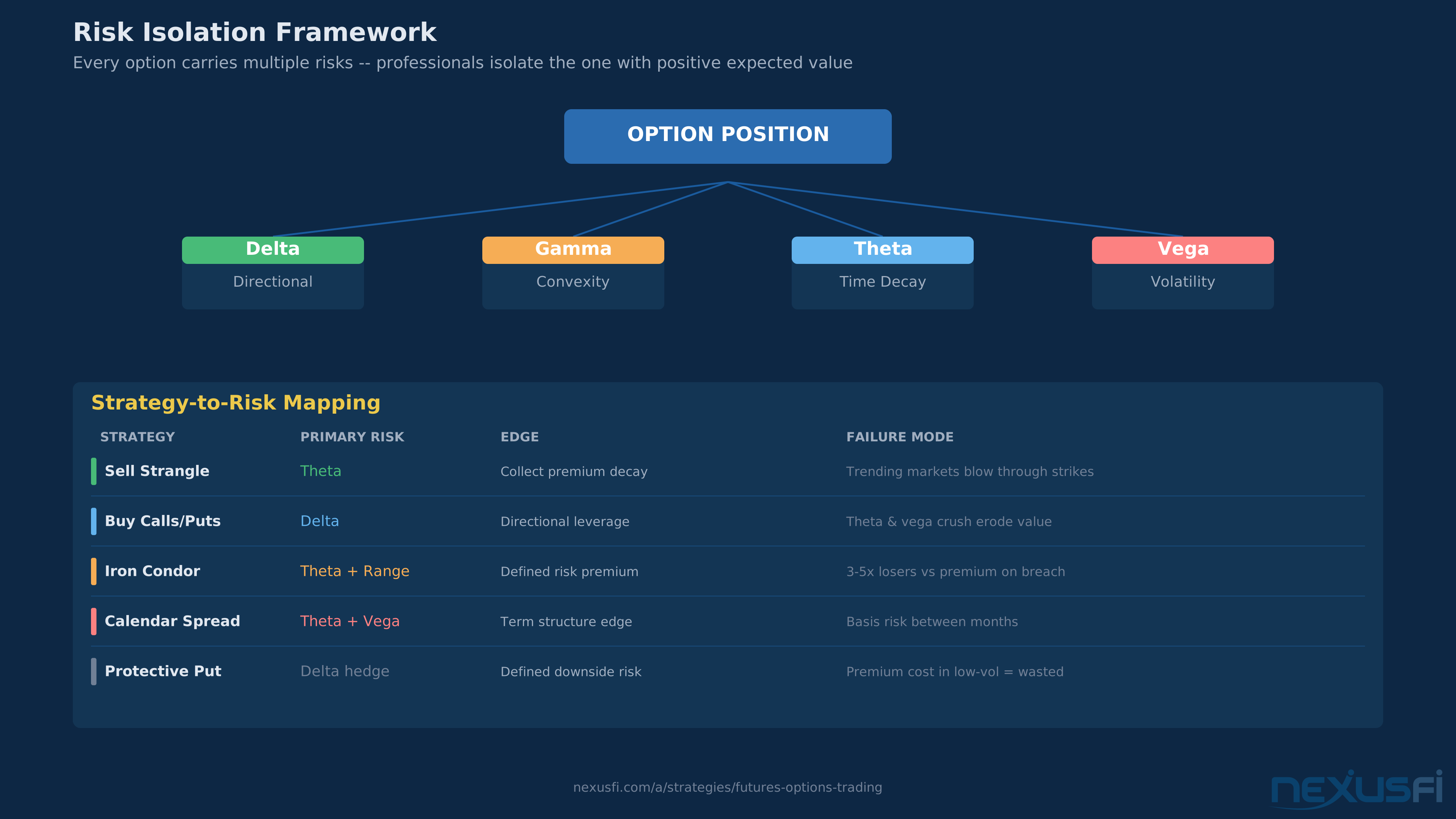
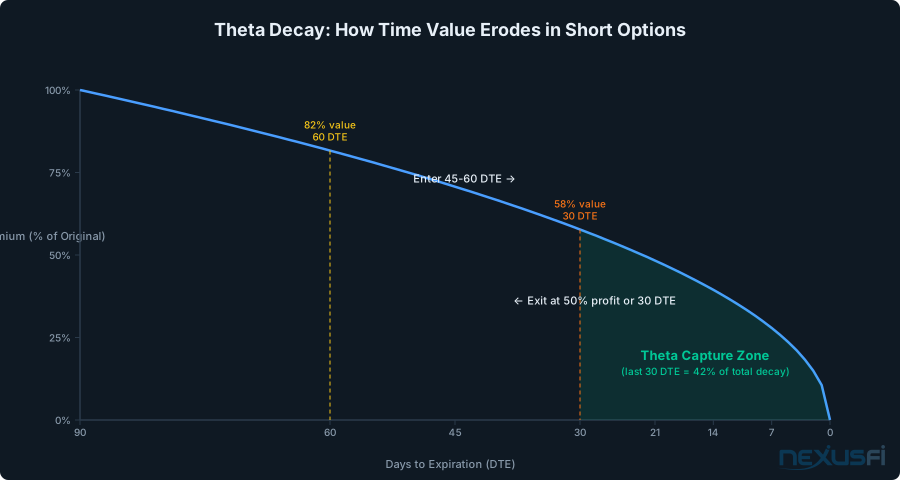
You've been selling ES puts. Maybe 16-delta strangles, 45 DTE, taking them off at 50%. The math works. The win rate is good. And then August 2015 happened, o...
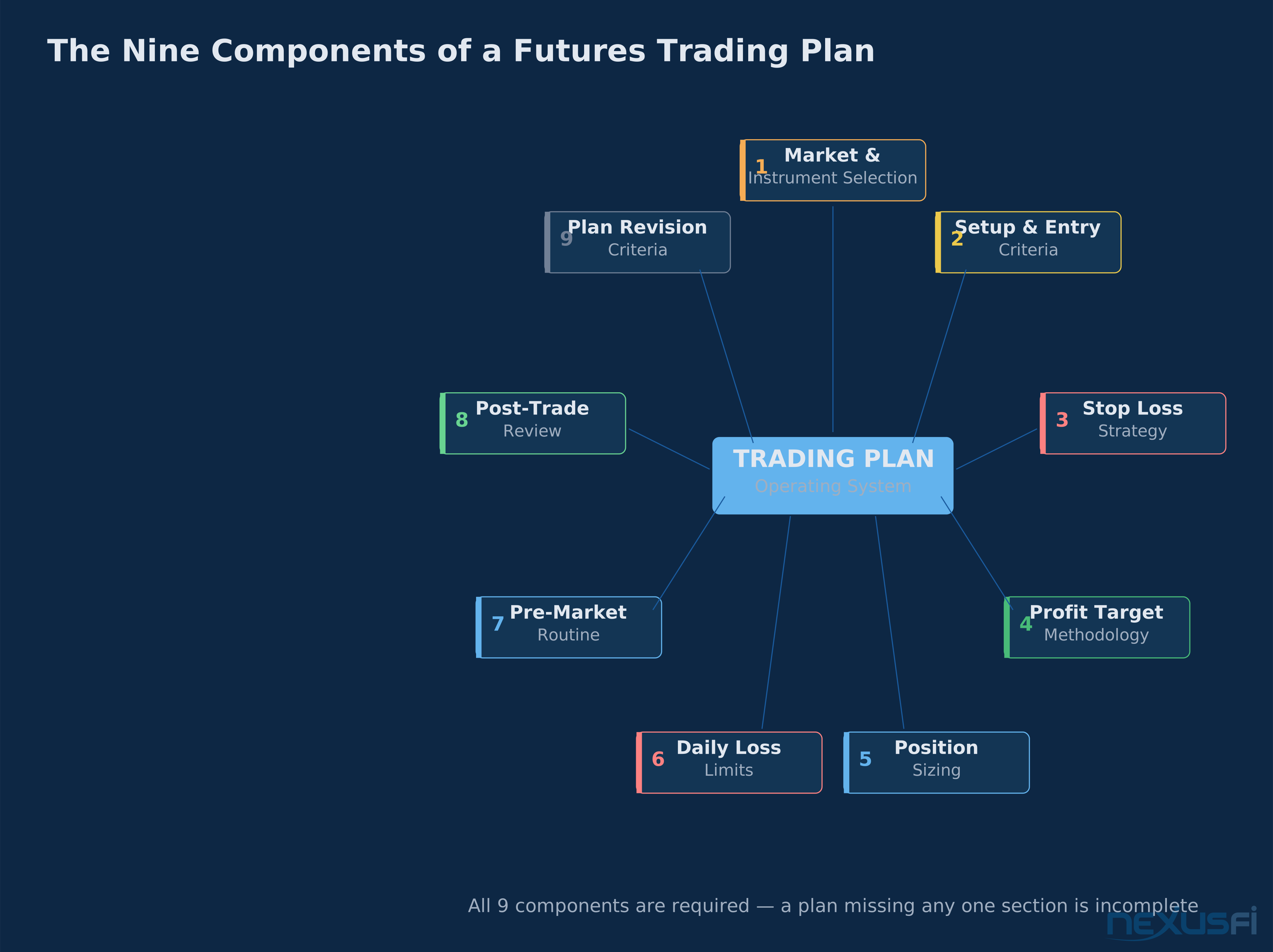
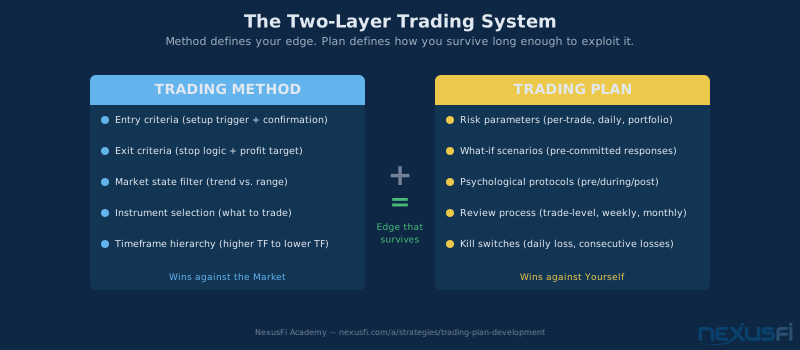
Overview Most traders who blow up don't blow up because they have bad strategies. They blow up because they have no plan -- or they have one on paper and ign...
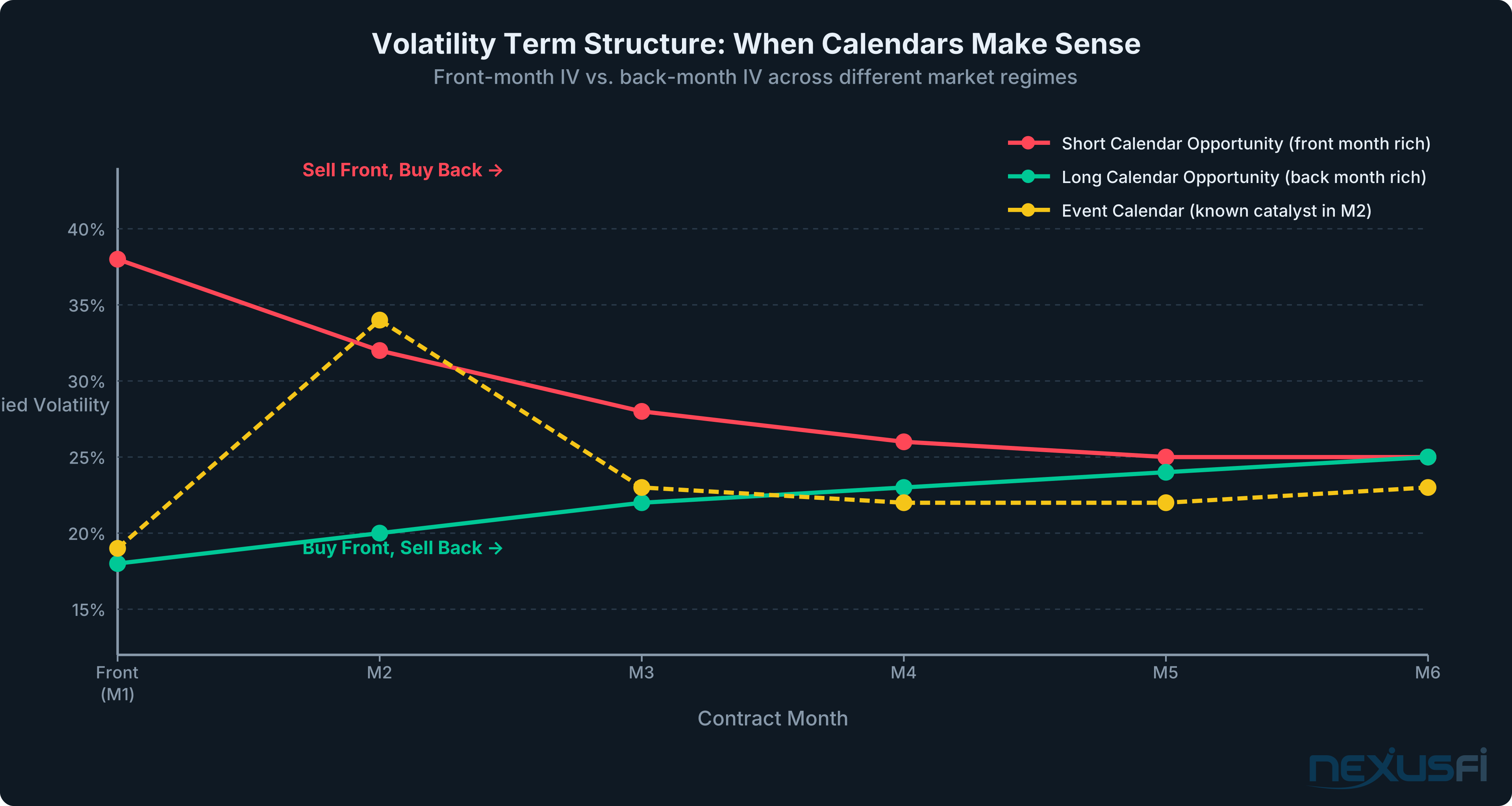
A calendar spread on futures options -- also called a time spread or horizontal spread -- is a two-legged position where you sell a near-term option and buy ...
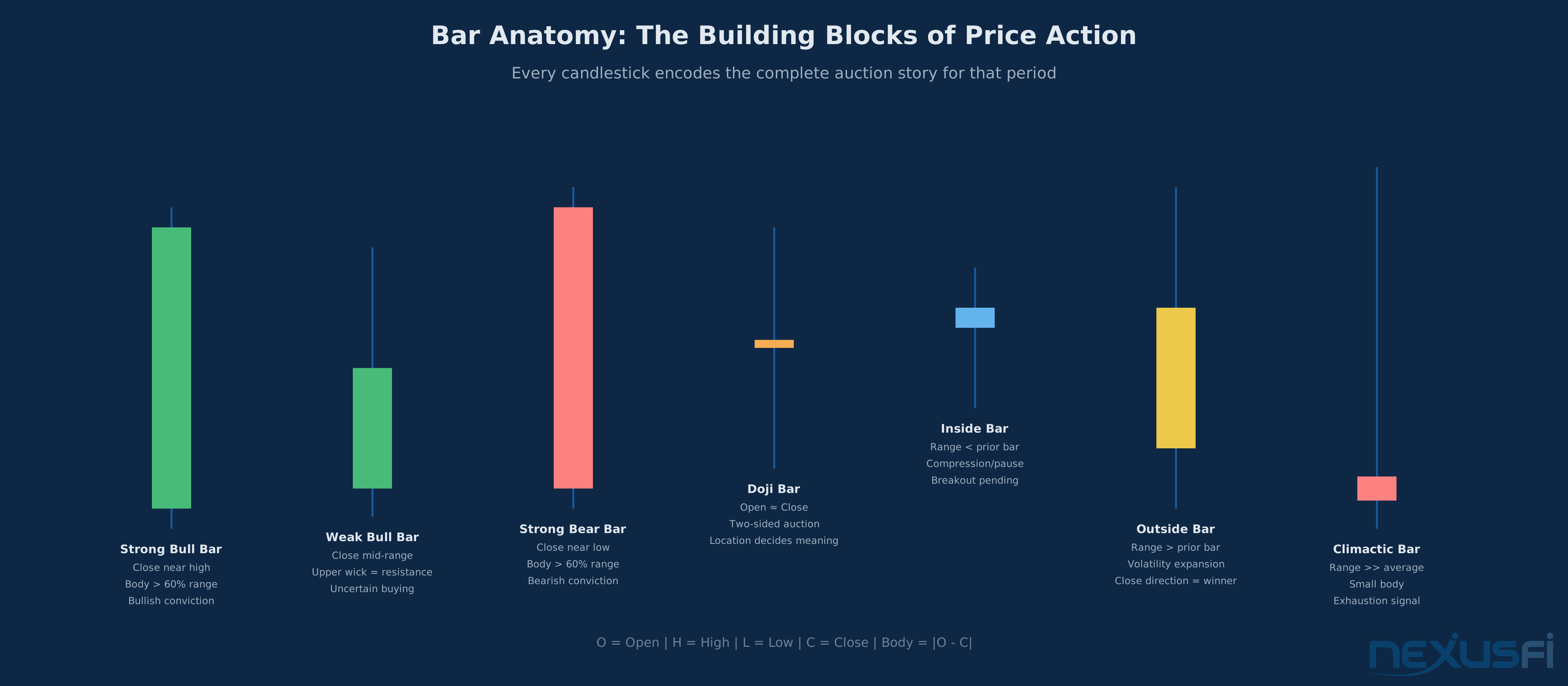
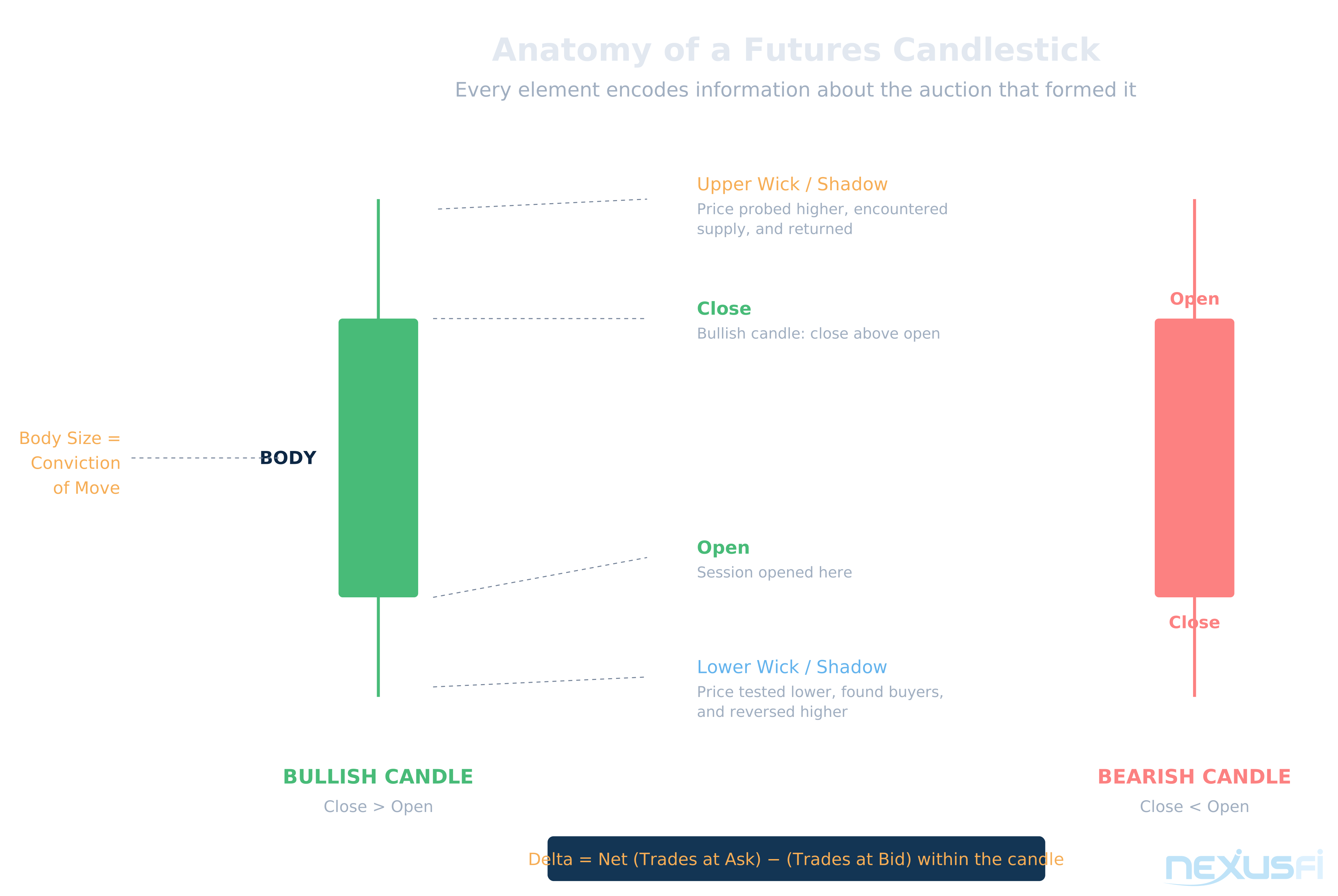
Before diving into patterns, understand what each element represents: The body (the wide rectangle) shows the range between the open and close. A large body ...
In futures markets, price moves because participants are repeatedly testing what the other side will accept. This is auction market theory at its core: buyer...
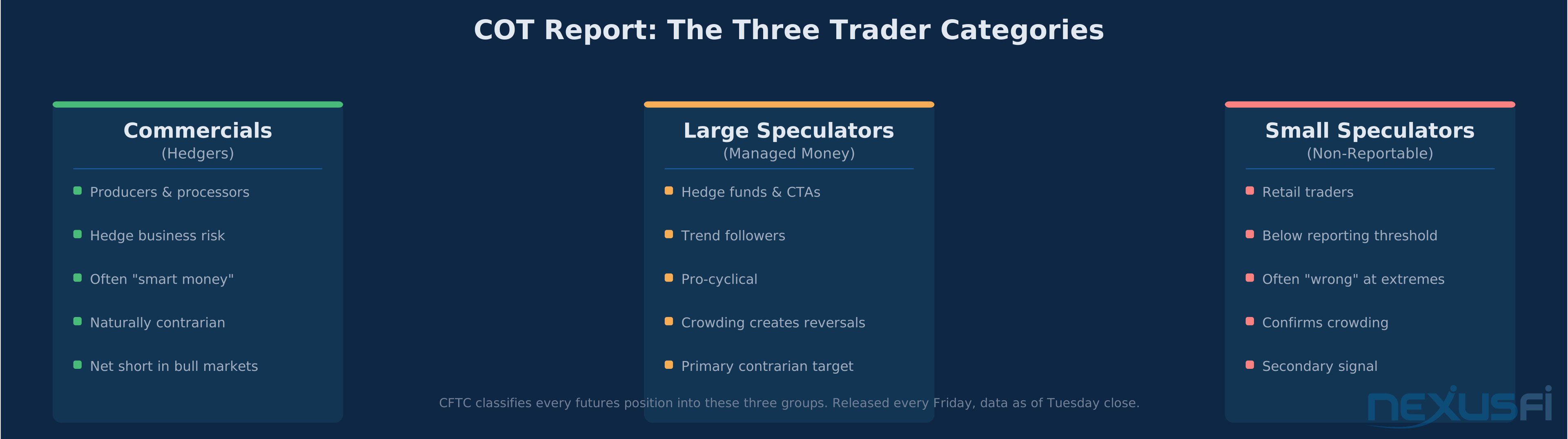
The Commitment of Traders (COT) report gives futures traders something most indicators can't: a direct window into the actual positions held by the largest m...
Futures markets are continuous two-sided auctions. Price moves directionally when one side is more aggressive, willing to lift offers or hit bids to transact...
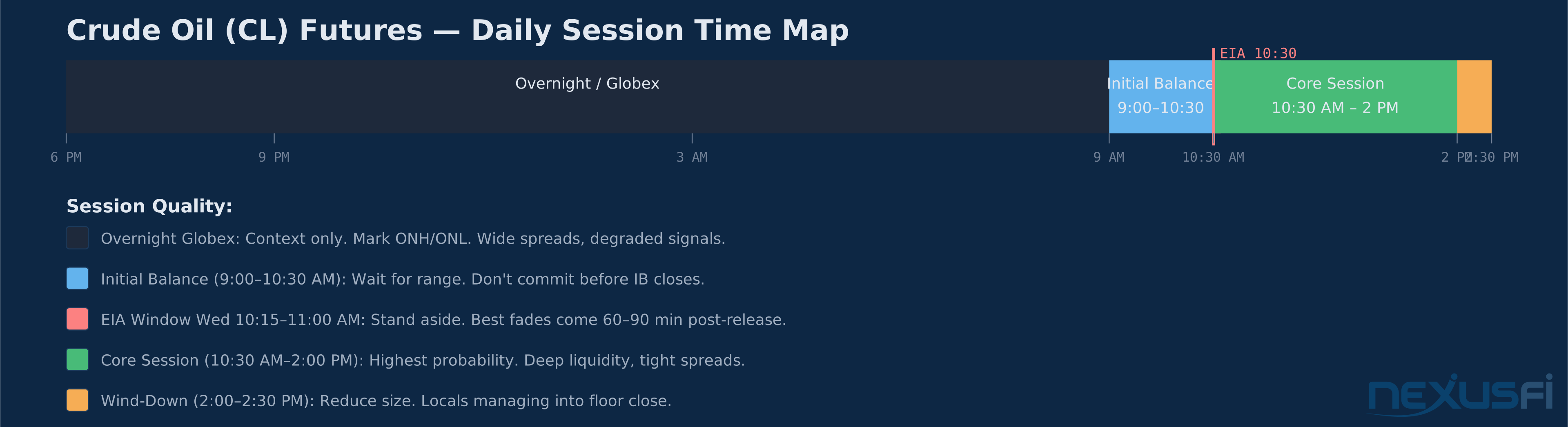
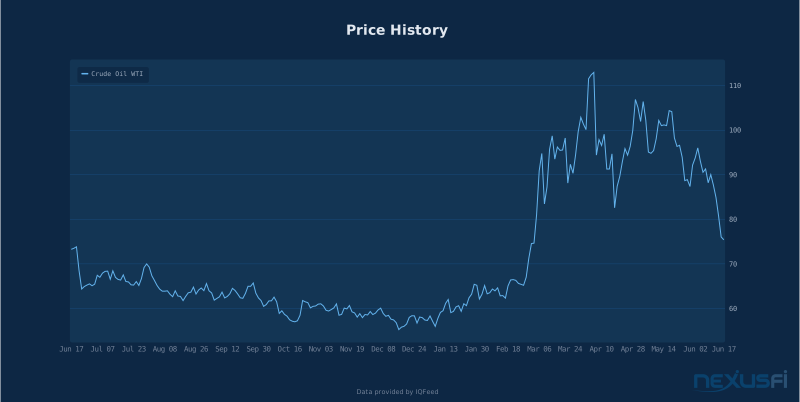
Crude oil is not ES. Traders who arrive on CL from equity index futures get humbled fast, and usually for the same reason: they apply the same setups without...
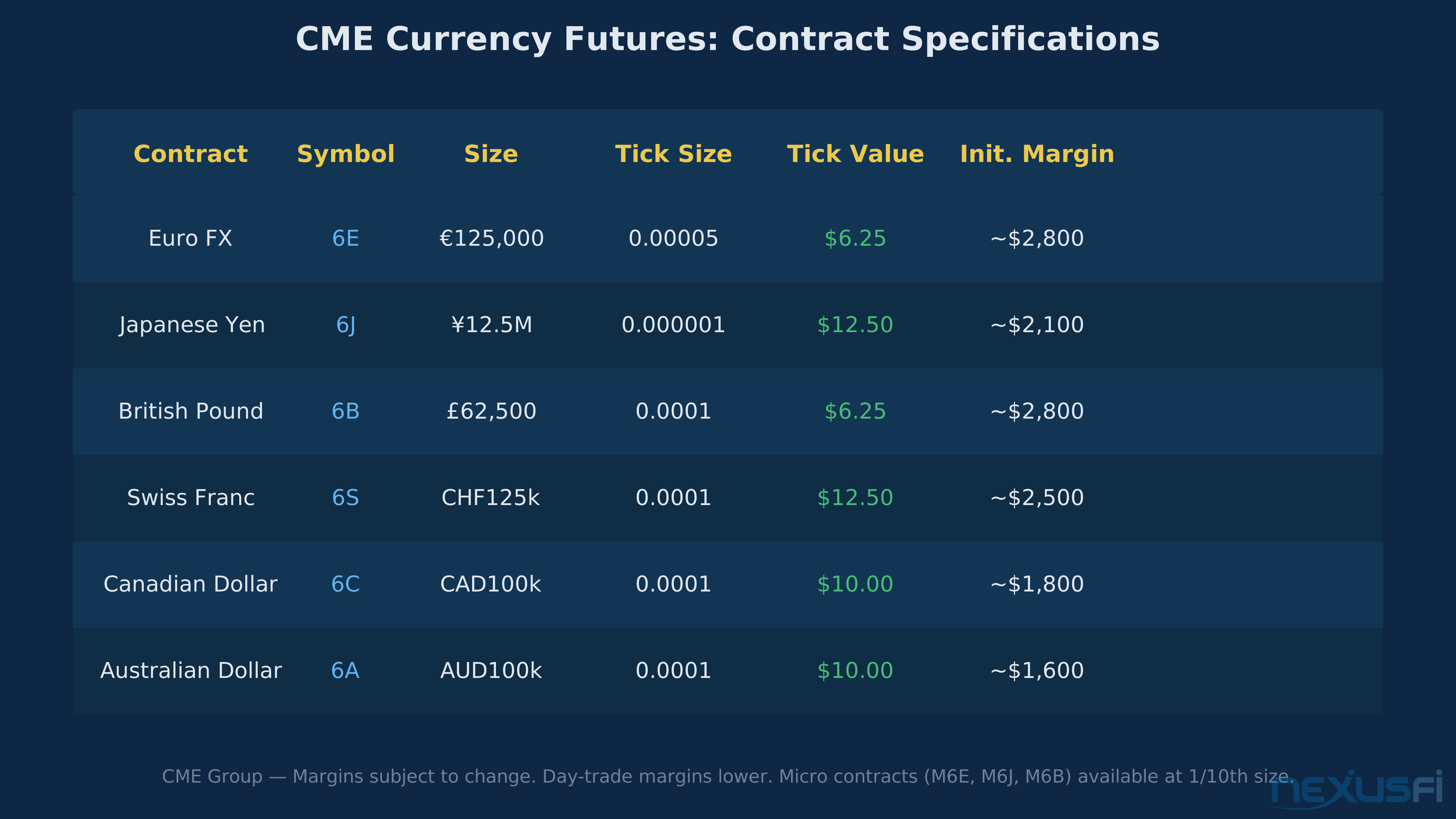
Overview Currency futures are exchange-traded contracts to buy or sell a specific amount of one currency at a predetermined rate on a fixed future date. They...
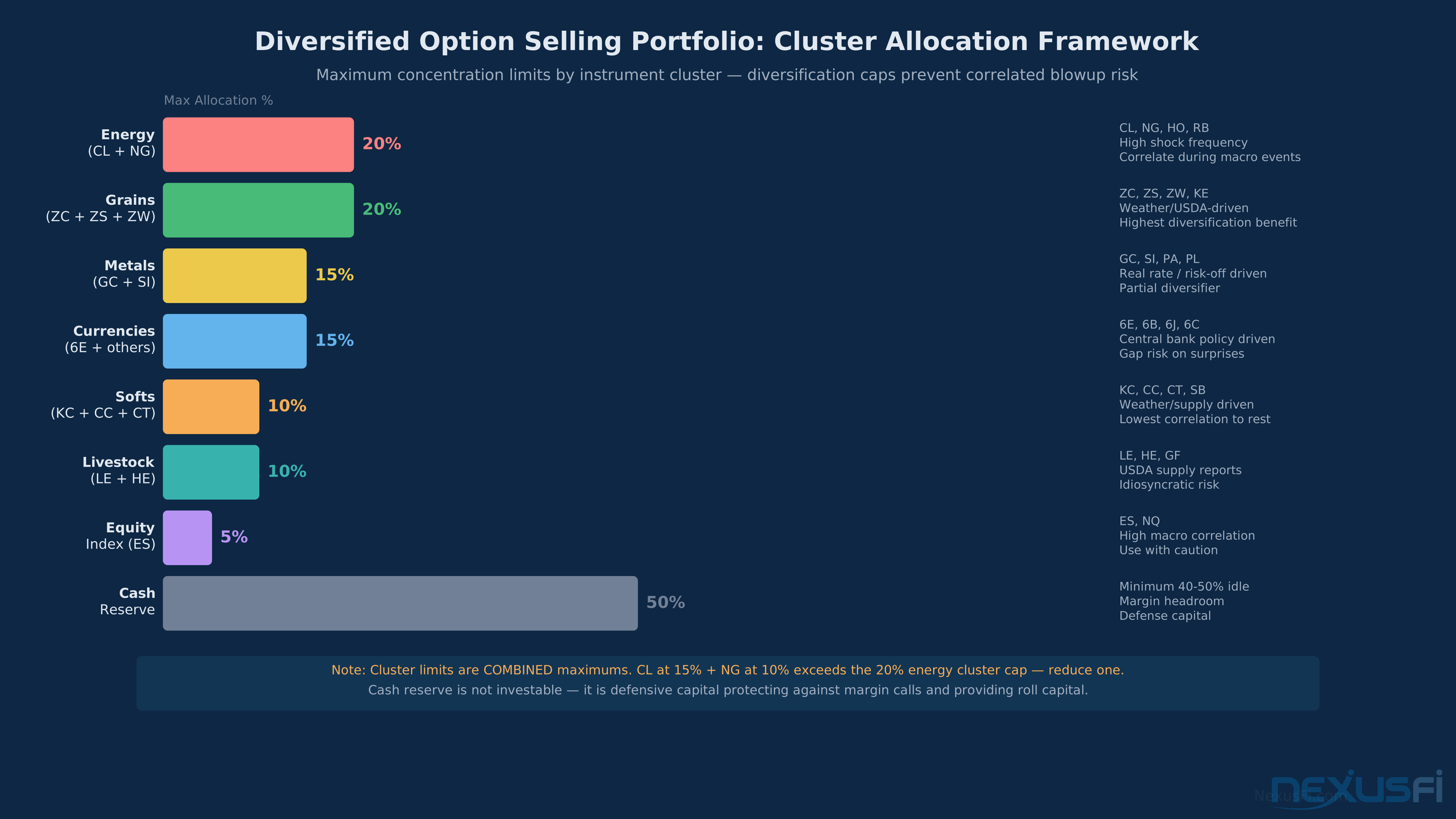
Selling options on futures is one of the oldest ways traders have collected premium. But single-instrument option selling is a concentrated bet -- when CL ha...
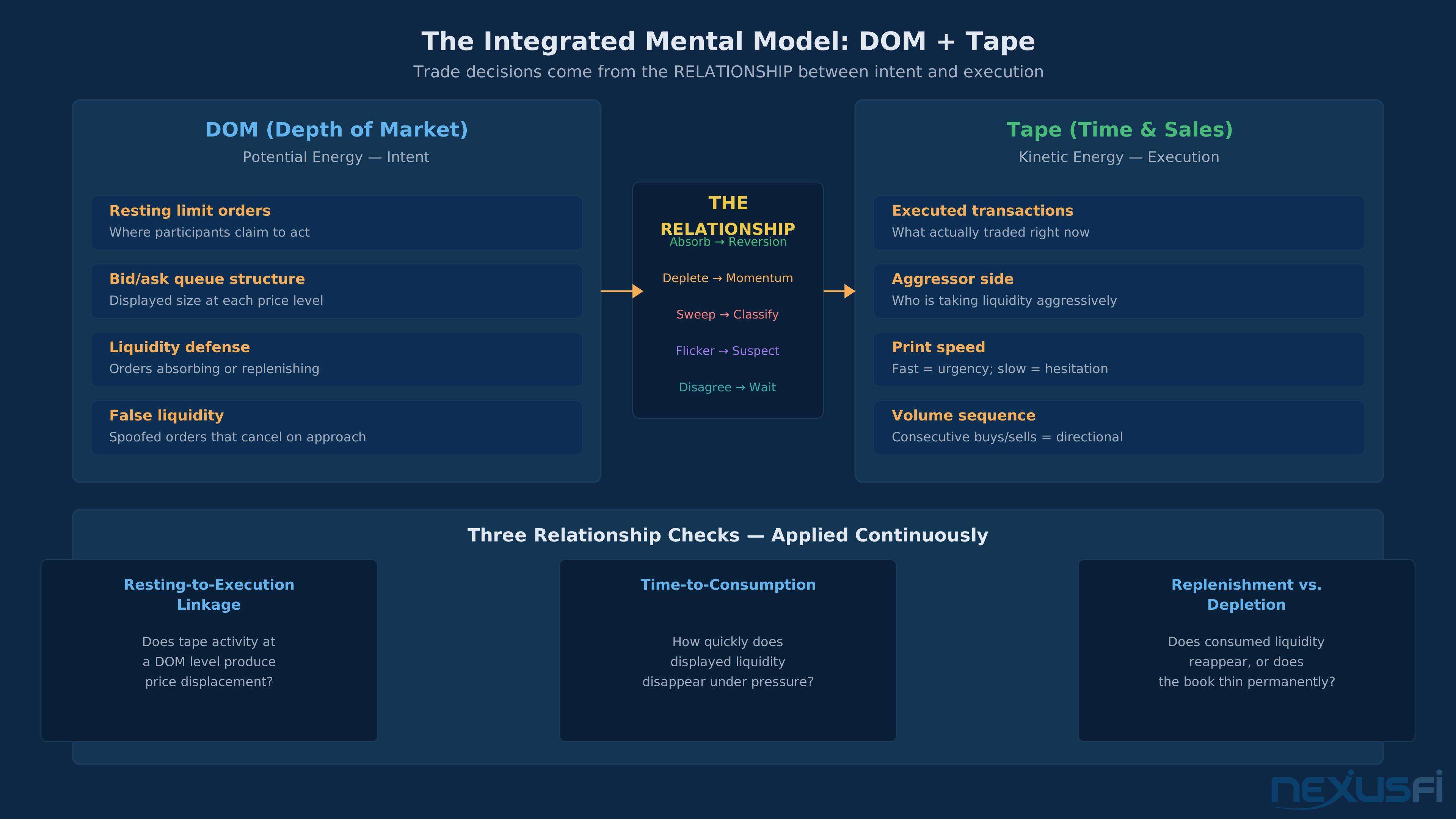
Most traders learn DOM and tape reading as separate disciplines. They study the order book over here and the time-and-sales feed over there, then try to comb...
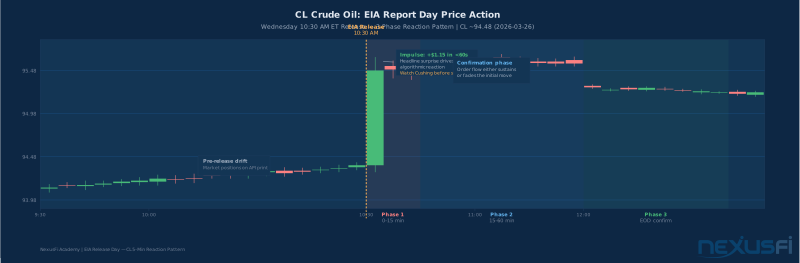
Two reports. Two instruments. Same basic structure. Every week the EIA publishes the Petroleum Status Report on Wednesday at 10:30 AM ET and the Natural Gas ...
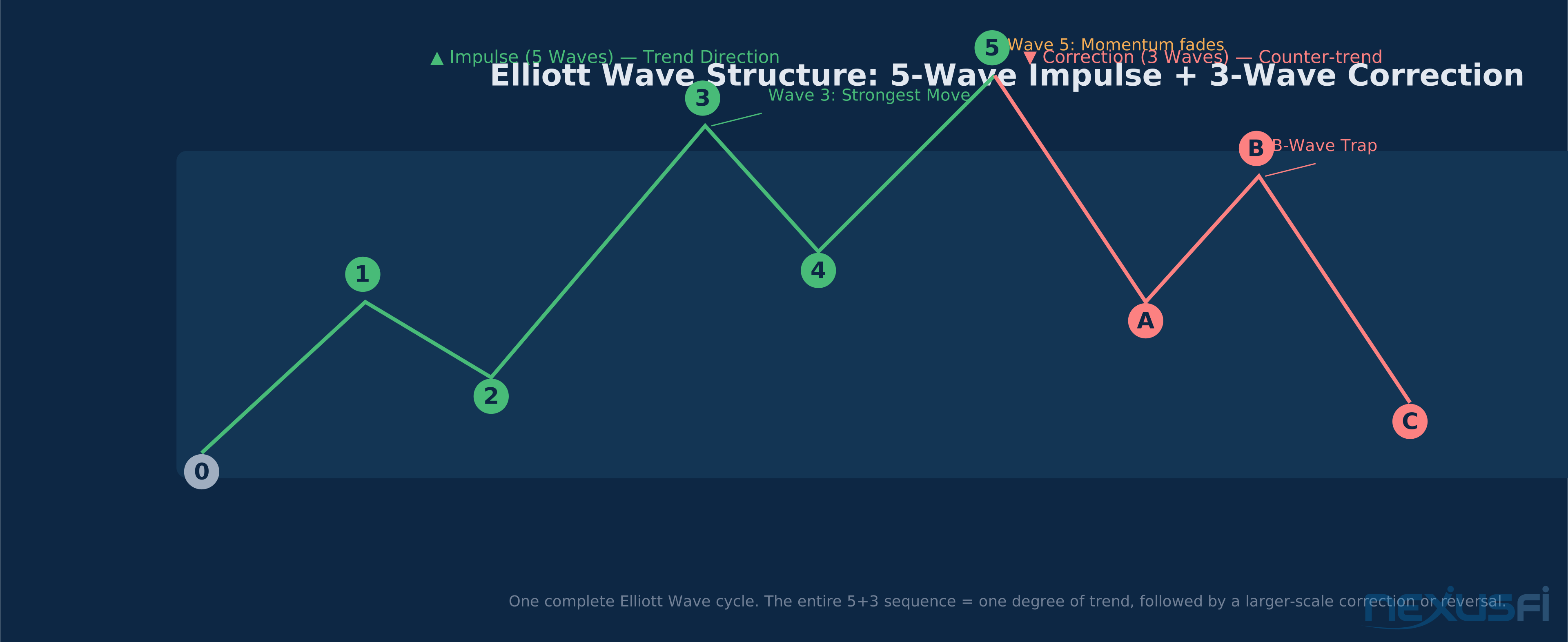
Every Elliott Wave count starts with distinguishing between two types of movement: Impulse Waves (Motive Waves) An impulse wave is a five-wave move in the di...
Overview The E-mini S&P 500 (ES) is the most liquid futures contract on earth. On a typical session, ES trades over $200 billion notional -- more than most s...
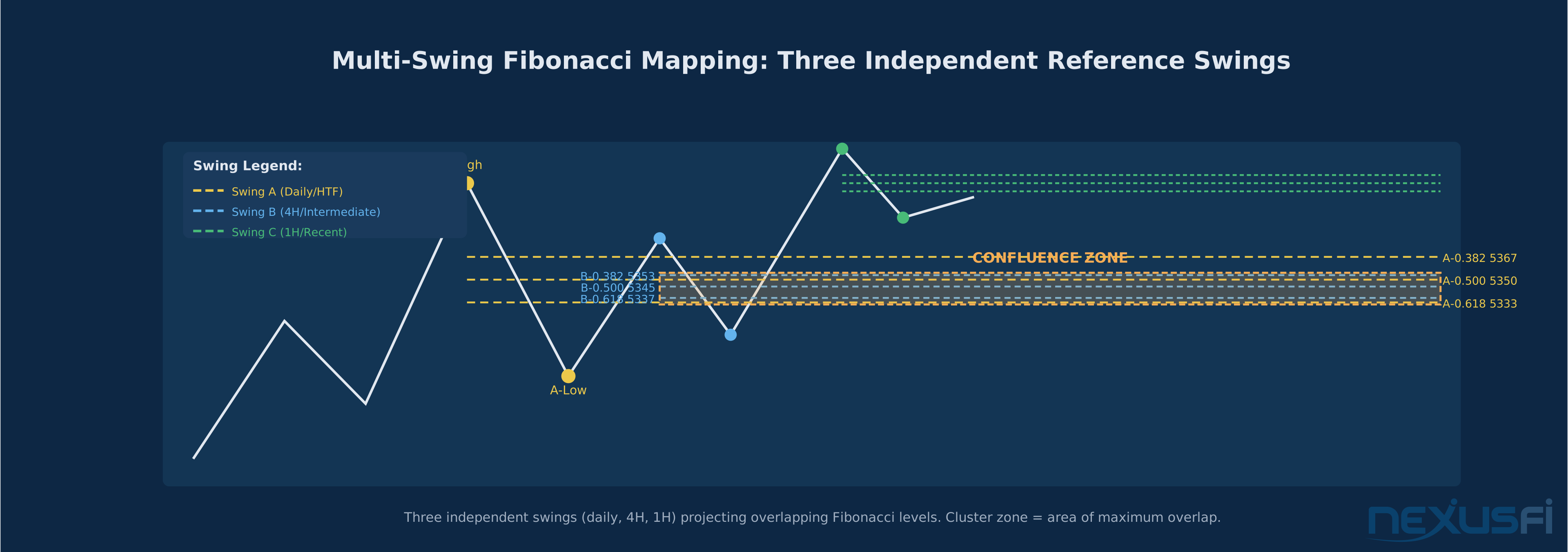
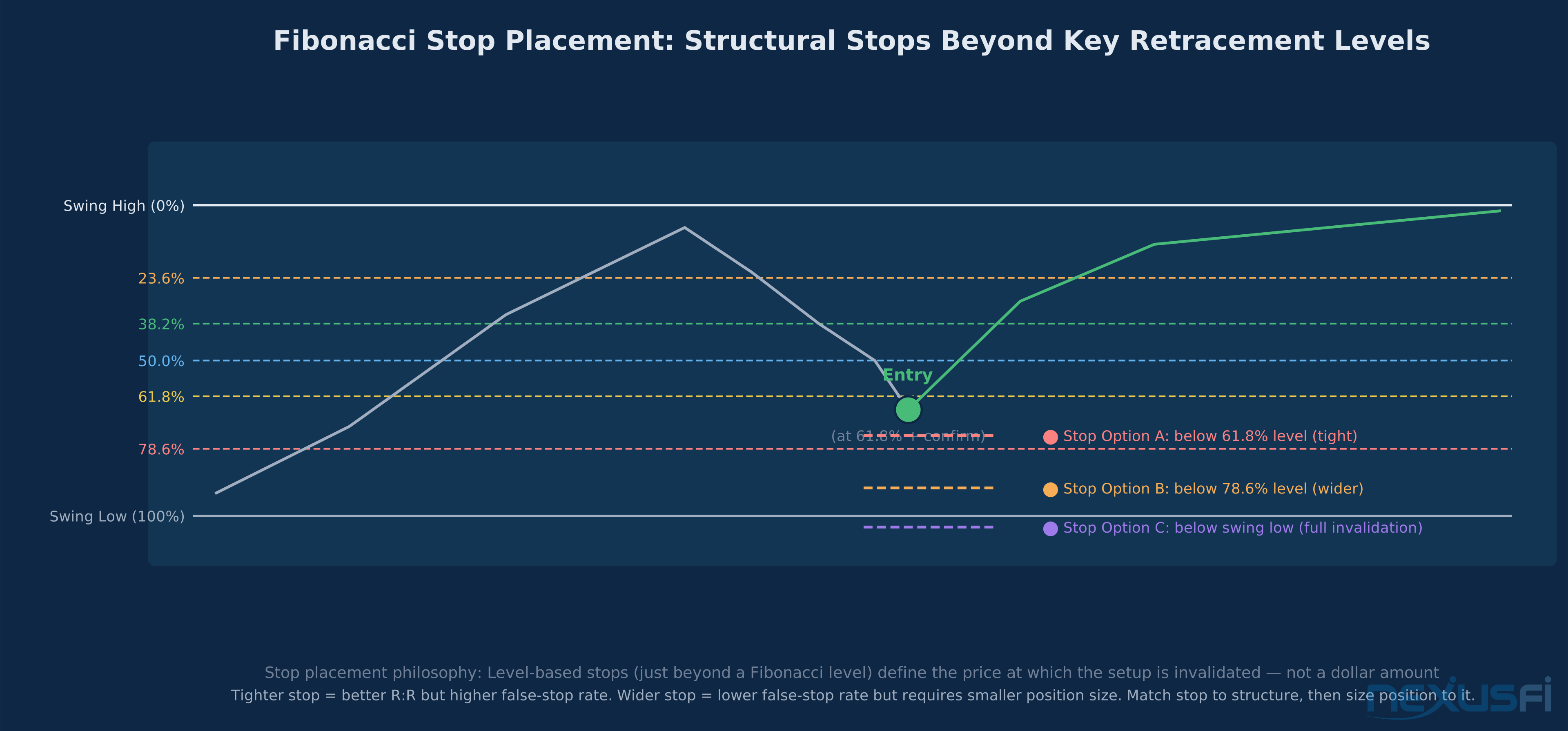
Every trader who has used Fibonacci tools has experienced the frustration of price stopping at 38.2% on one trade, blowing through 61.8% on the next, and app...
The most common mistake in stop placement is sizing stops by dollar amount before considering price structure. A trader who says "I'll use a 10-point stop on...
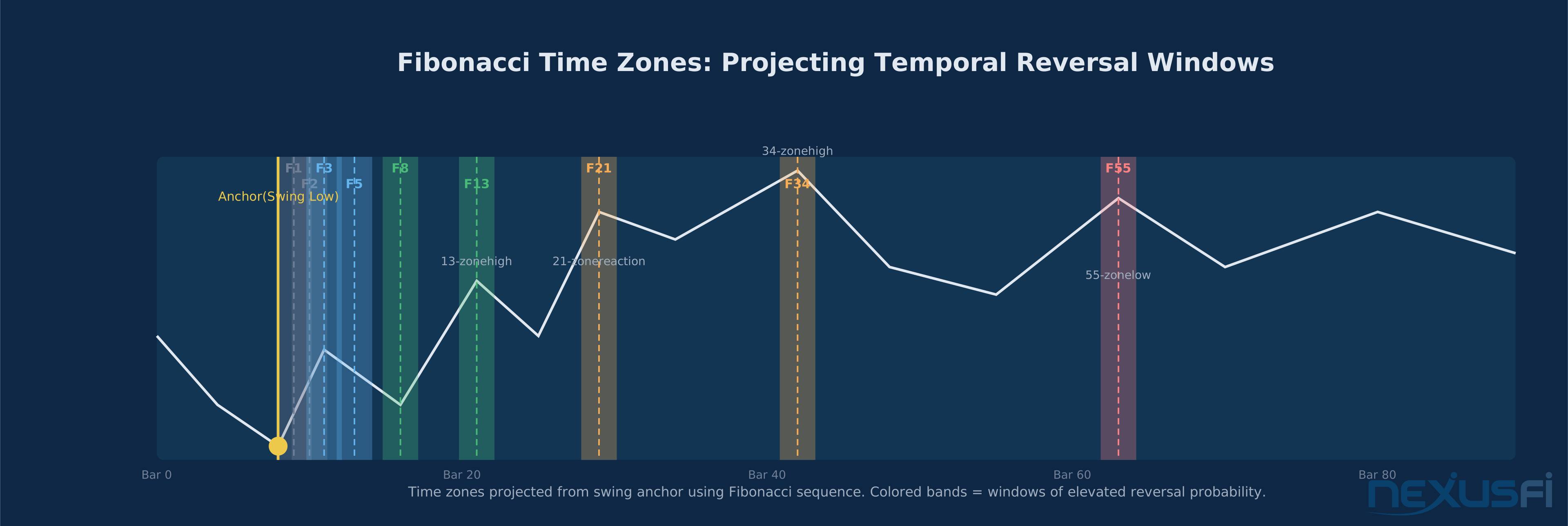
Most traders who use Fibonacci apply it to the price axis -- retracements, extensions, projections. Fewer apply it to the time axis. The concept is simple: j...
Most futures traders focus on the wrong problem. They spend months hunting for the perfect indicator, the magic entry signal, or the setup that wins 70% of t...
Options on futures give you something the underlying contract can't -- defined risk with unlimited reward, or steady income from premium decay. They're the o...
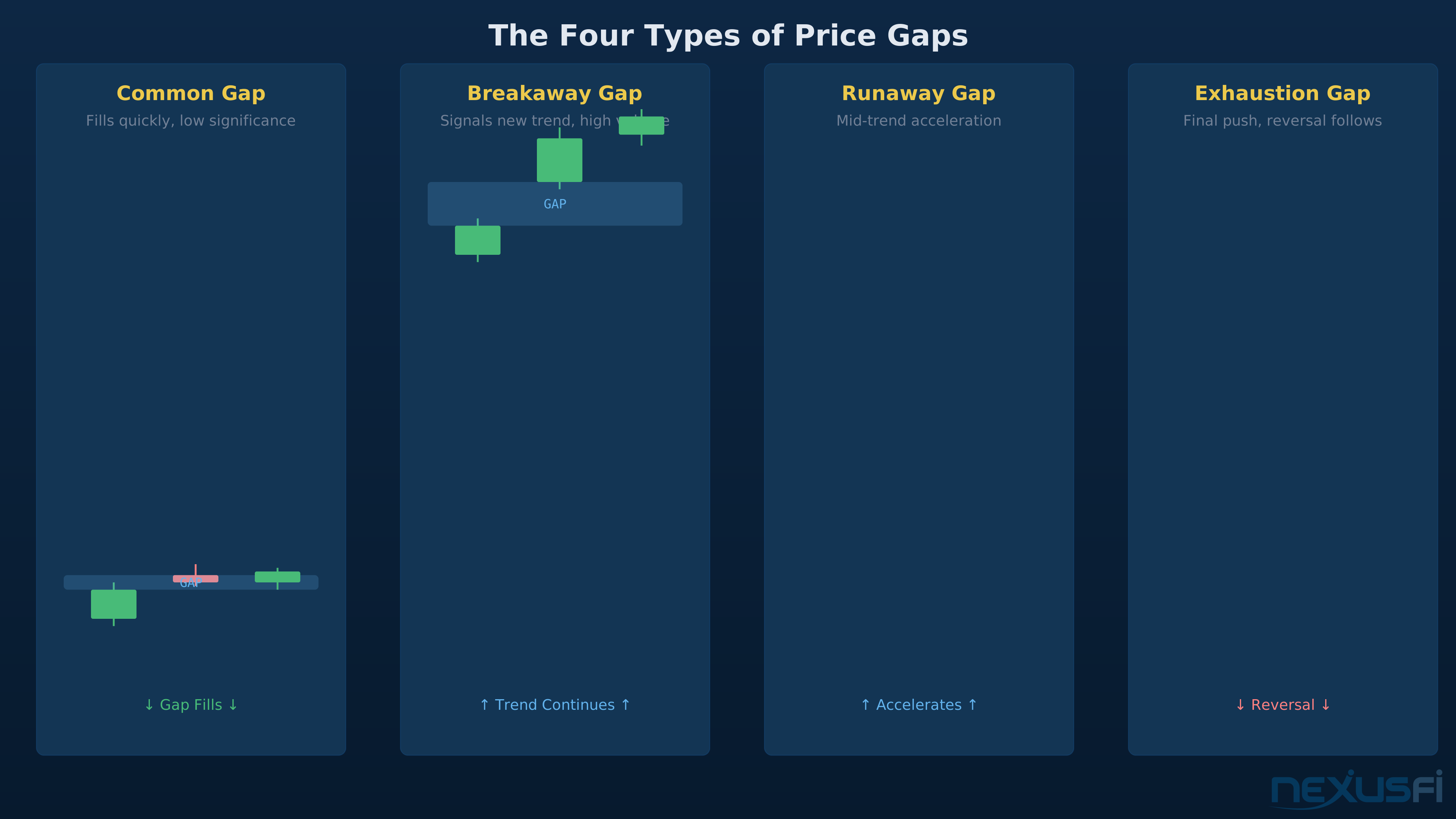
A gap is the price difference between one session's close and the next session's open. In futures, gaps show up between the RTH close at 4:00 PM ET and the n...
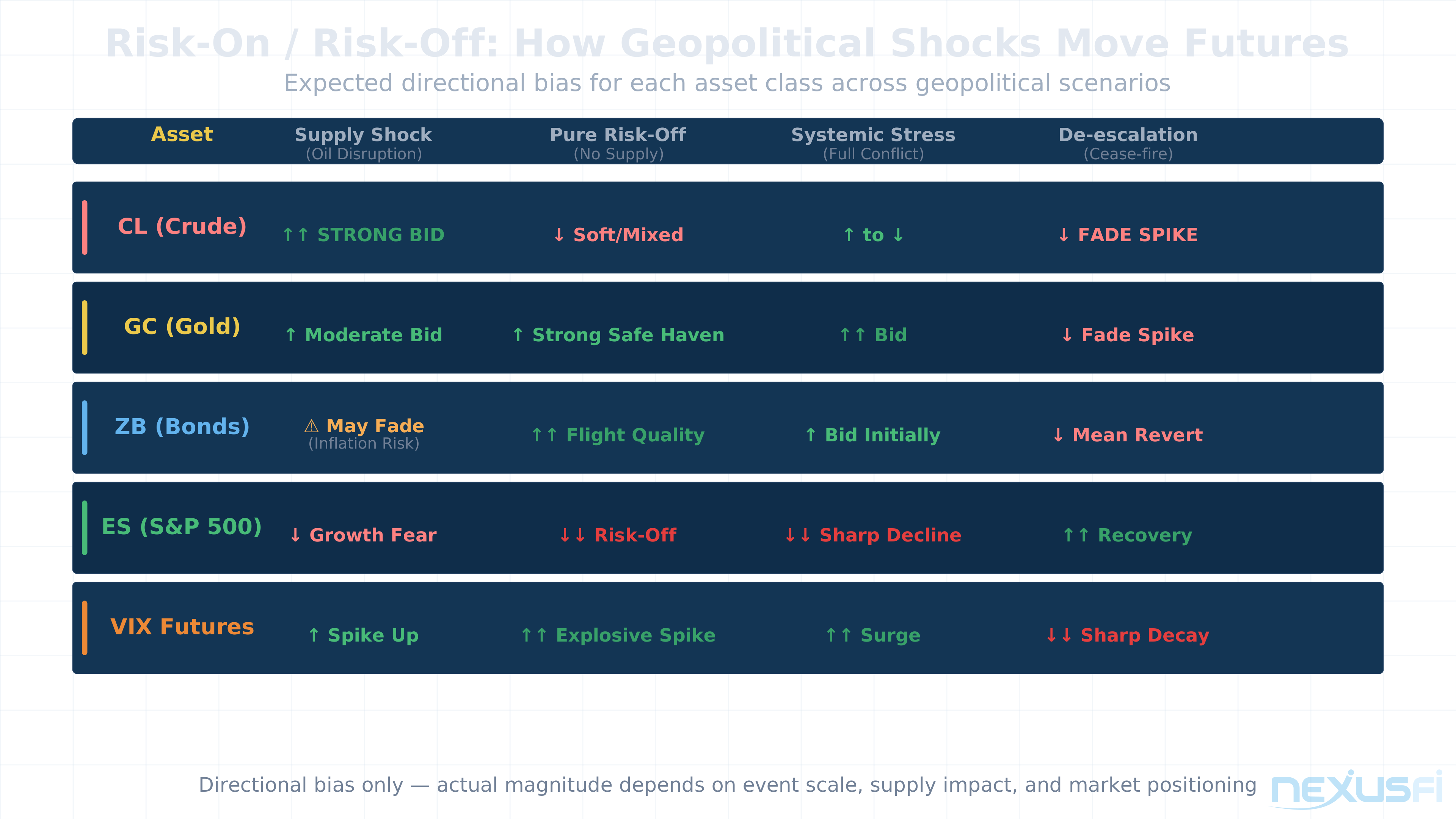
Geopolitical shocks create what traders call regime shifts -- moments when the normal rules of market behavior temporarily break down. During these events: -...
Gold futures (ticker: GC) at the COMEX exchange are trading near $5,247/oz as of early 2026, up dramatically from the $1,800-2,000 range that defined most of...
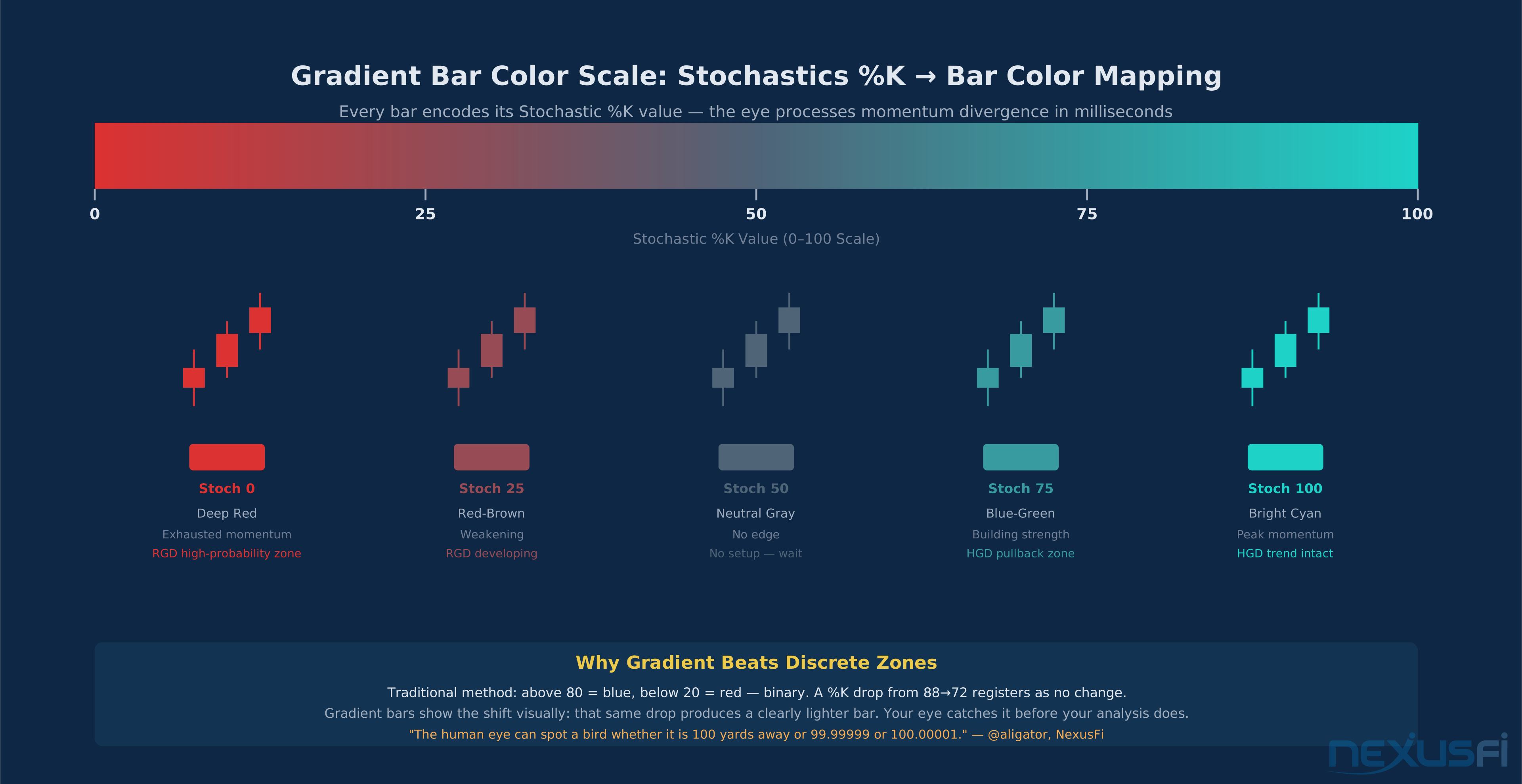
Gradient Divergence uses colored price bars -- bars where the shade corresponds to an underlying oscillator value -- to reveal divergence between price actio...
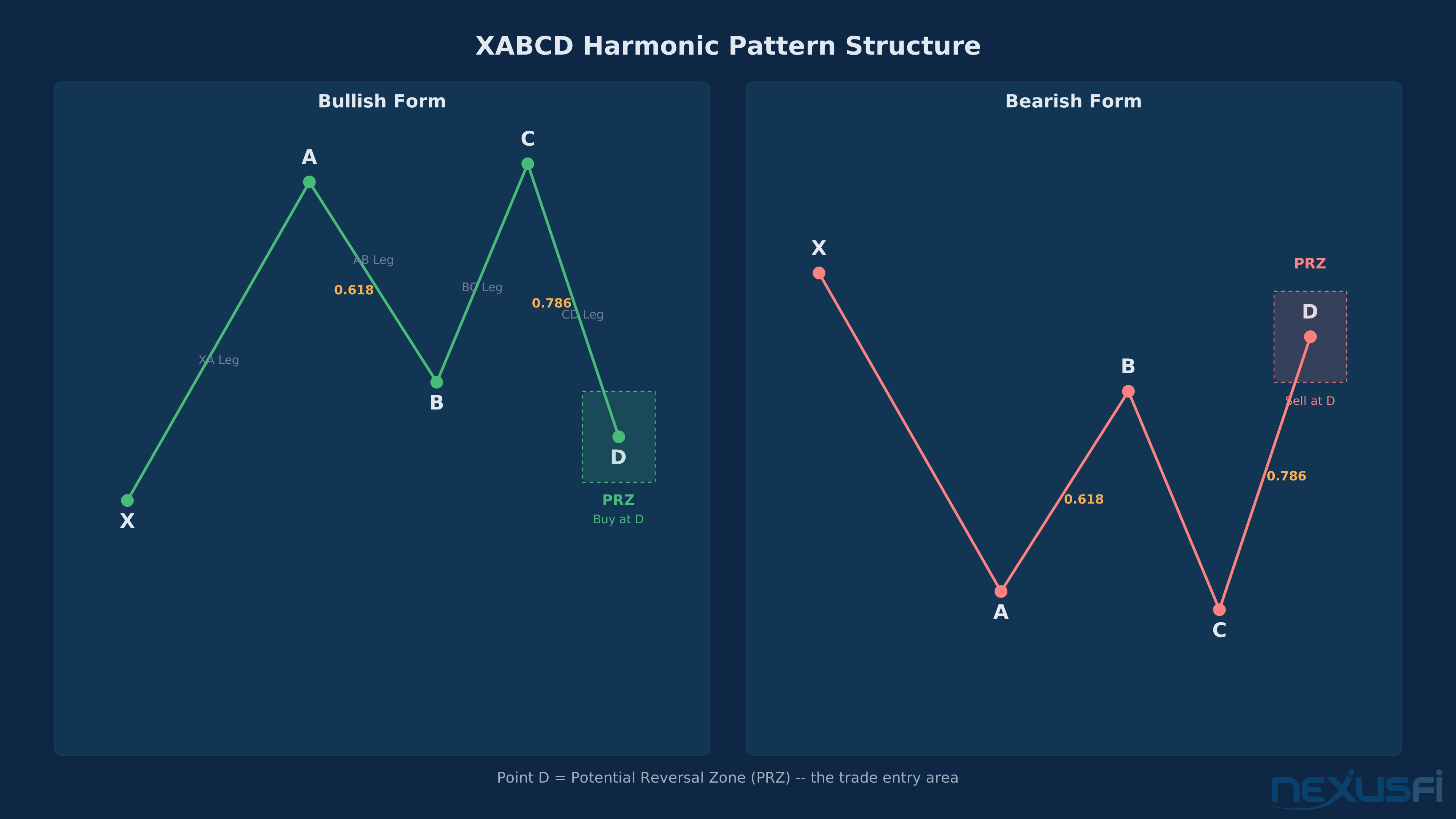
Every harmonic pattern is built from five price points labeled X, A, B, C, and D, connected by four price legs (XA, AB, BC, CD). The pattern is read as a seq...
Overview Selling options on futures has 4.4 million views. The debate about whether ICT works has generated its own thread. That gap between the popularity o...
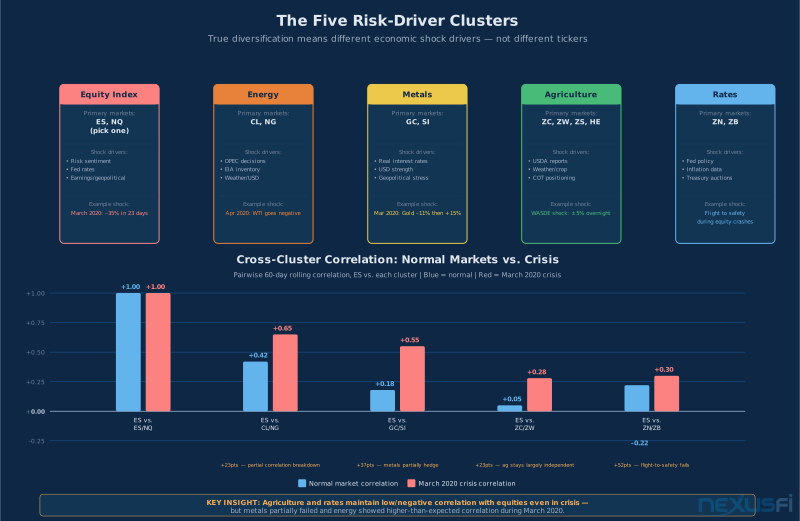
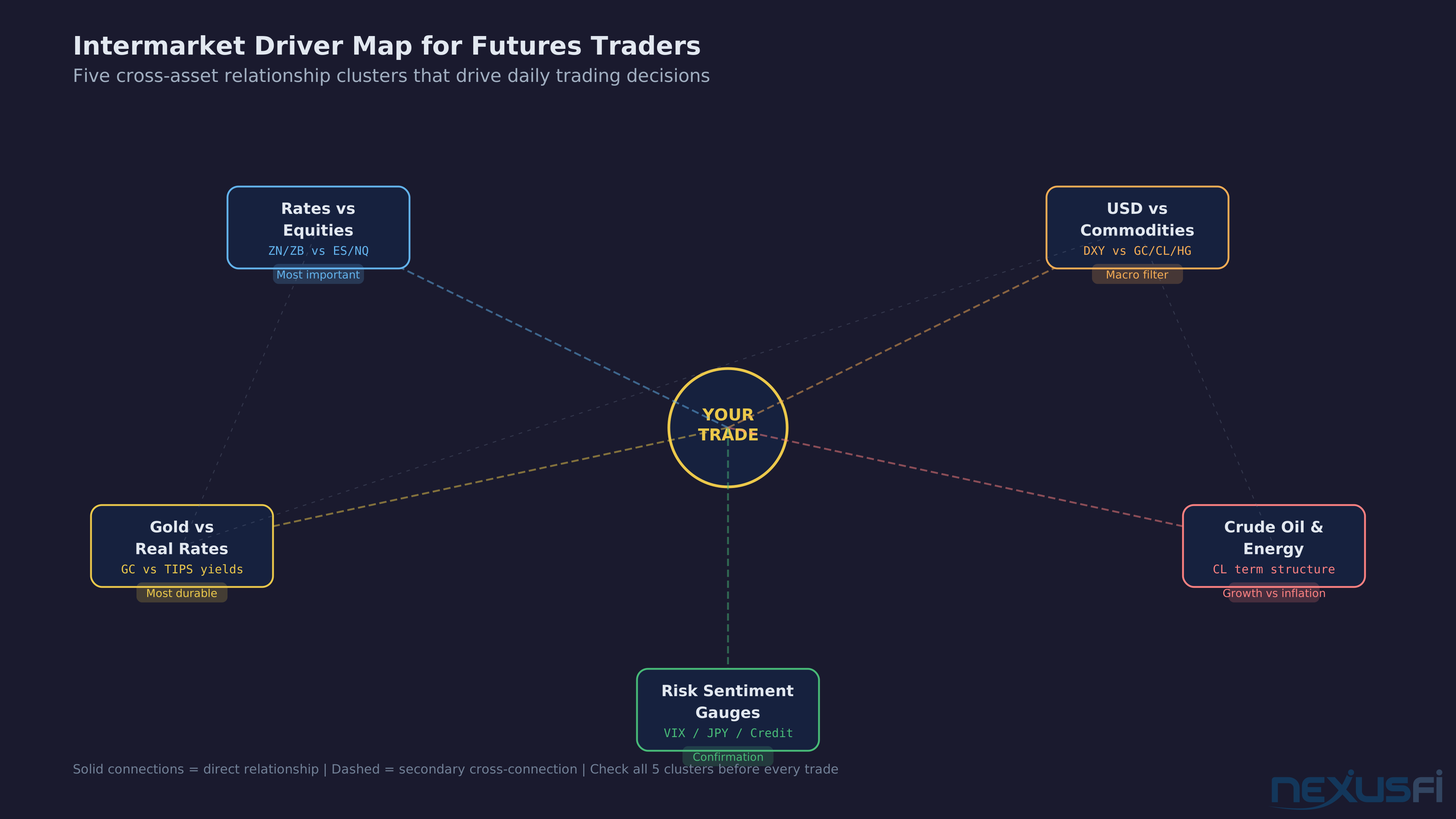
Every futures market exists inside a web of relationships. Rates move, equities react. The dollar strengthens, commodities feel it. Gold catches a bid while ...
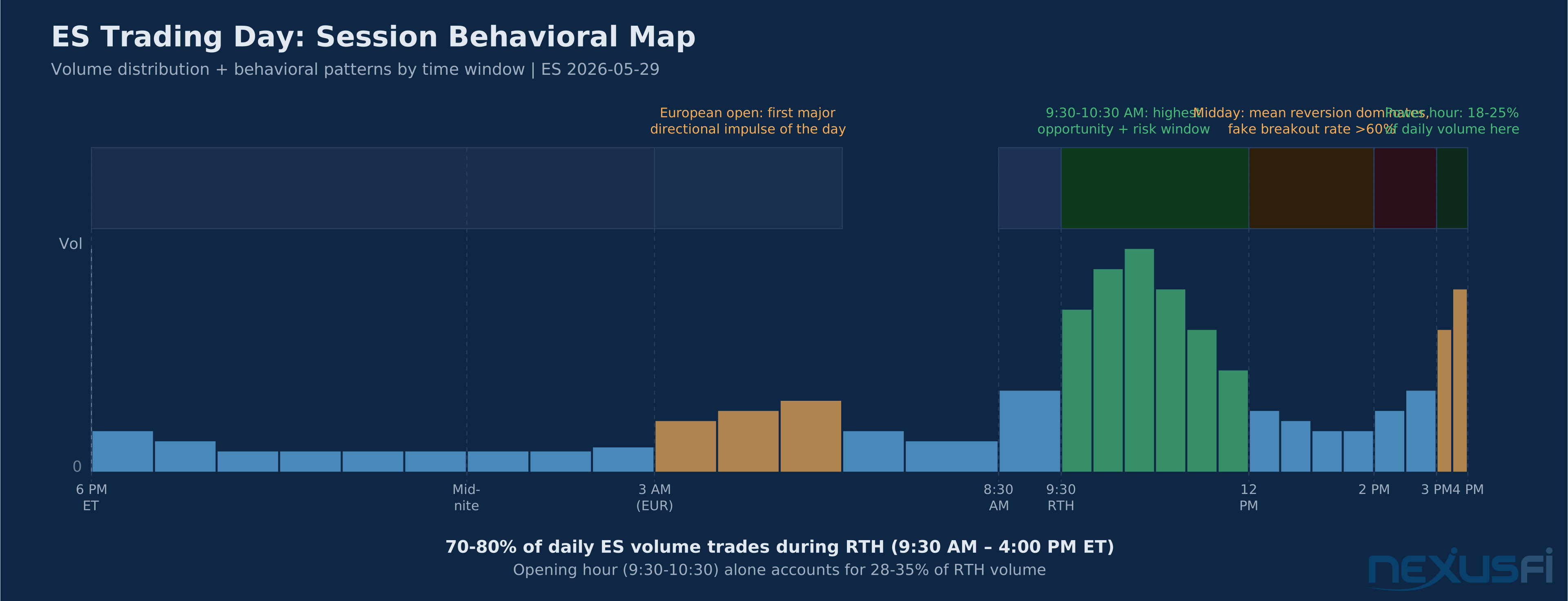
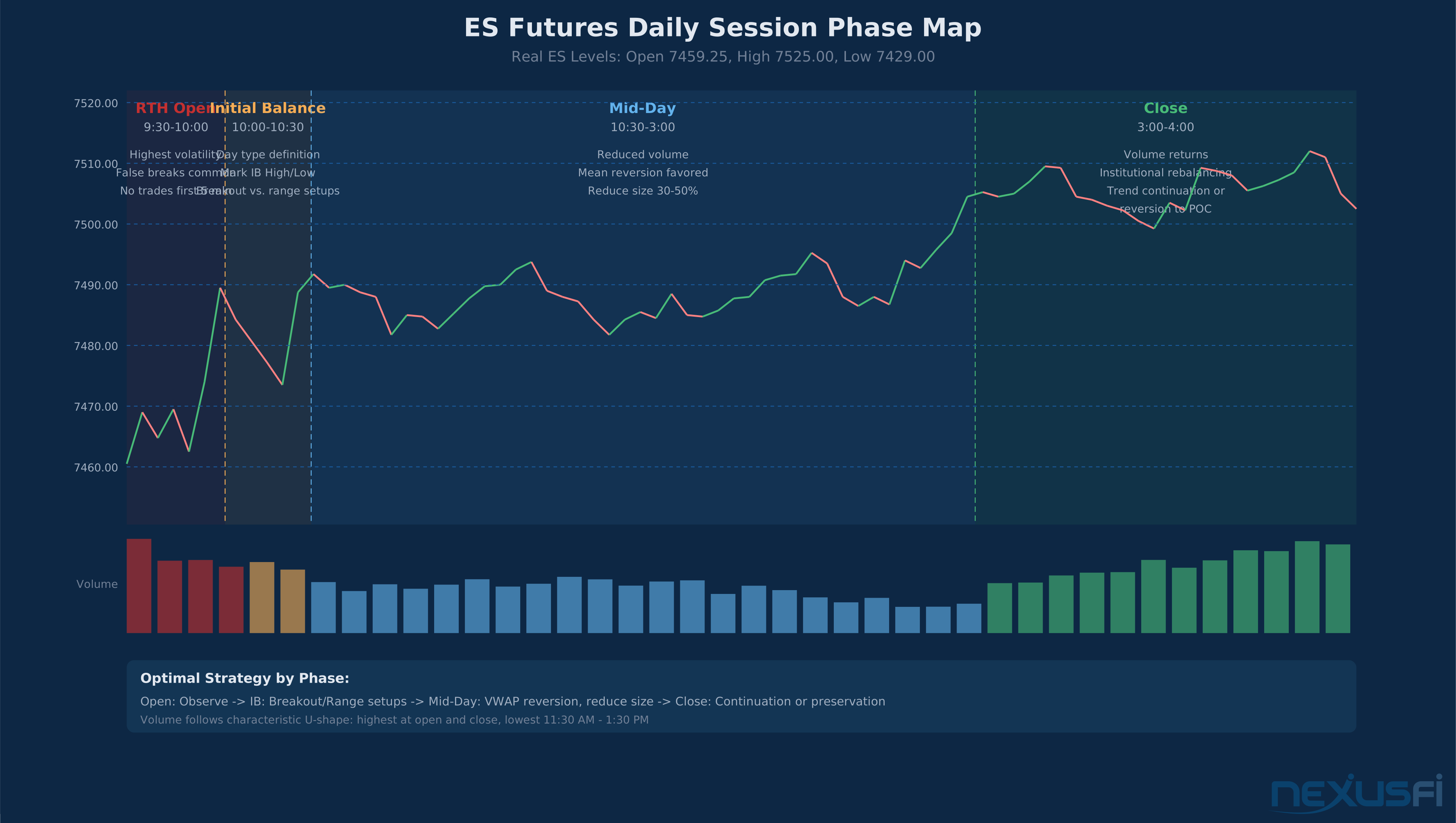
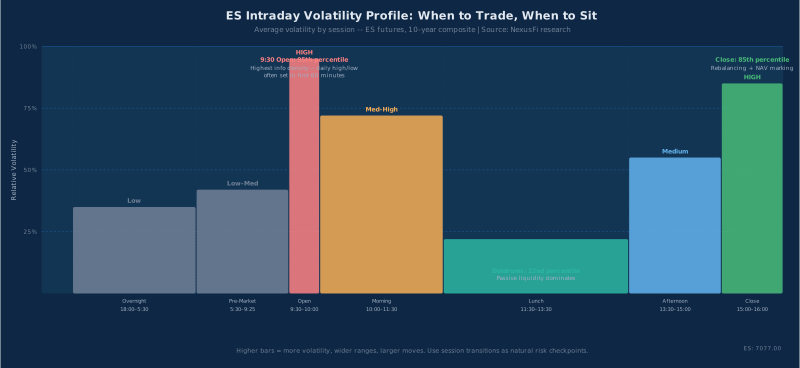
The futures market doesn't trade the same way at 9:35 AM as it does at 12:45 PM. This isn't random -- it's structural. The same institutional forces that mov...
Iron condor: A four-leg options position consisting of a short strangle (short OTM call + short OTM put) combined with long wings farther out. Creates a defi...
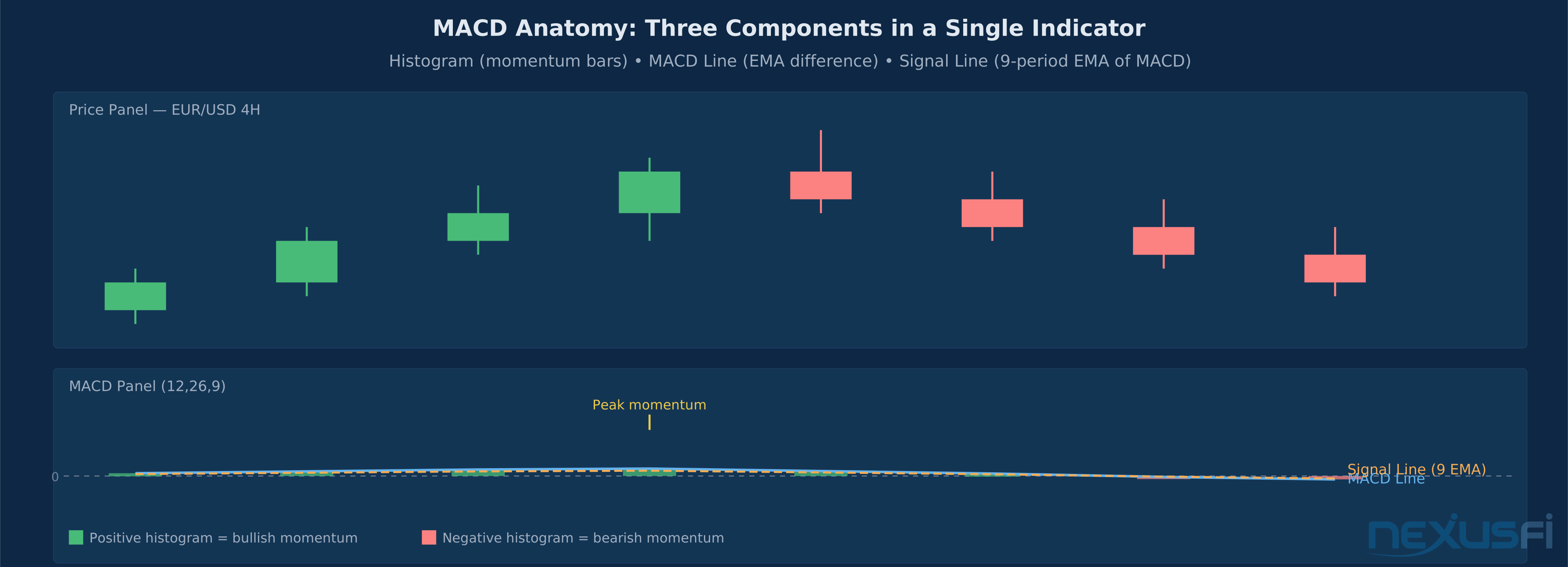
The MACD (Moving Average Convergence Divergence) indicator has been around since Gerald Appel developed it in the late 1970s -- first introduced in his Syste...
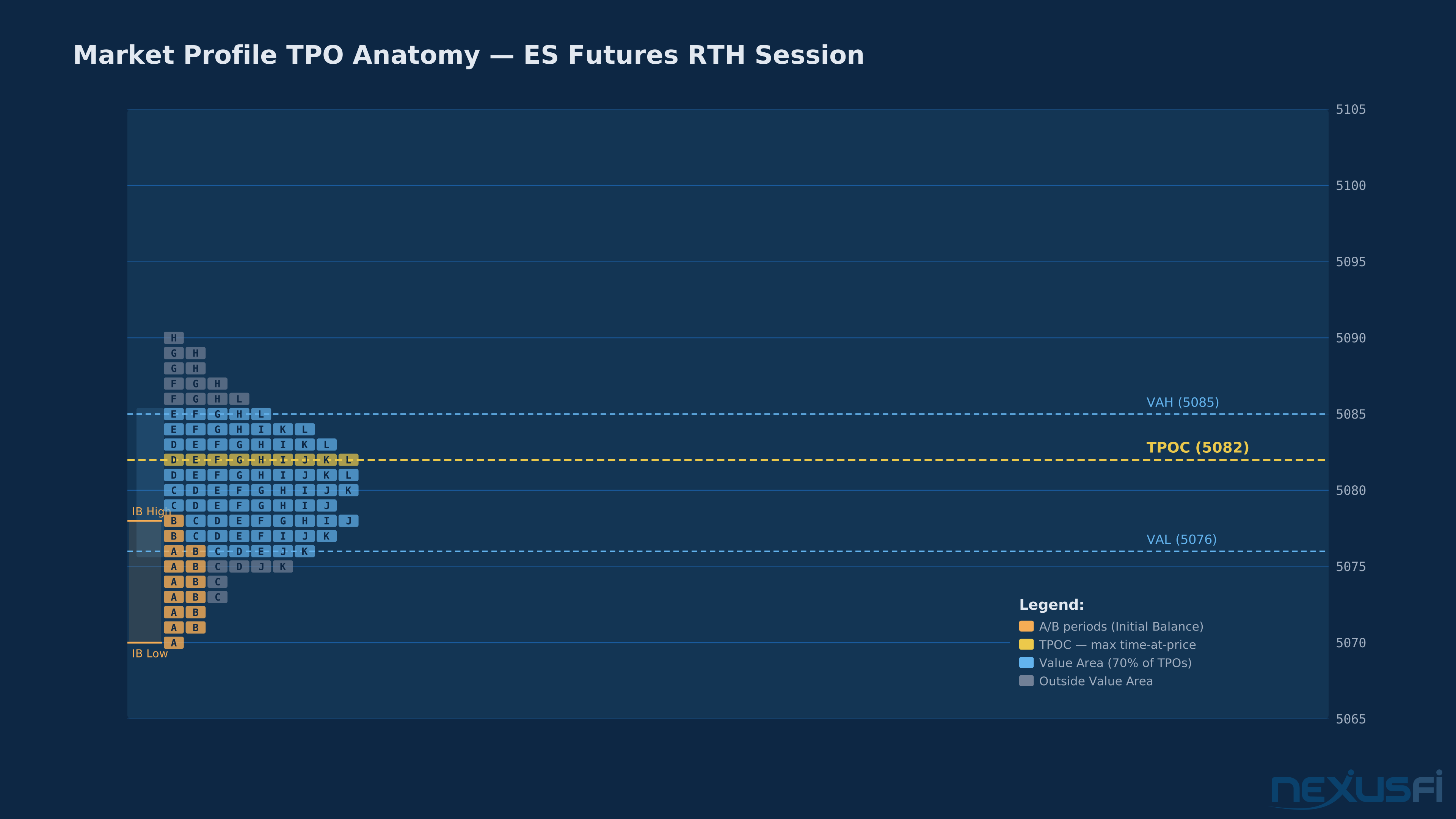
Market Profile is a framework for organizing price data by time. Developed by J. Peter Steidlmayer at the Chicago Board of Trade in the 1980s, it assigns a l...
Overview Every losing streak has a pattern. You find a setup that works, repeat it faithfully for two weeks, then suddenly the same setup produces five losse...
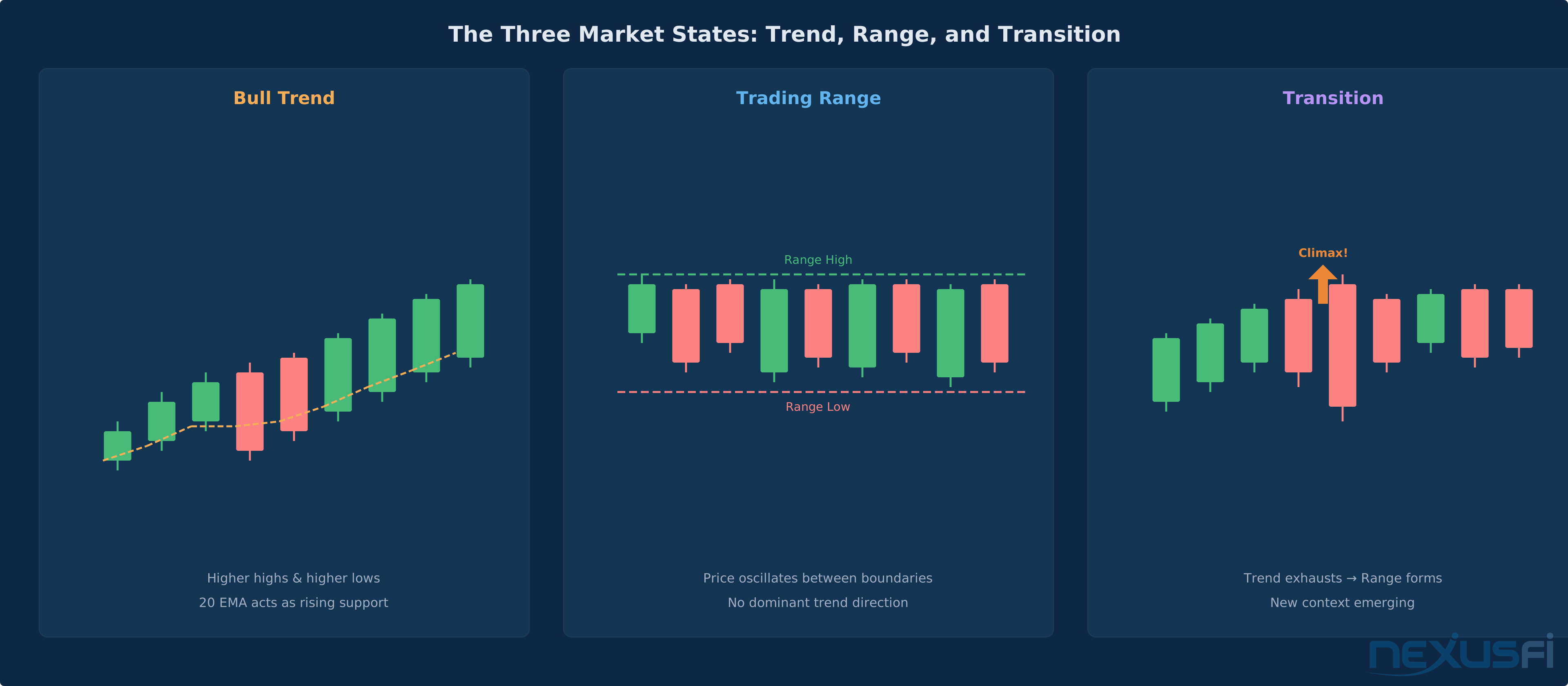
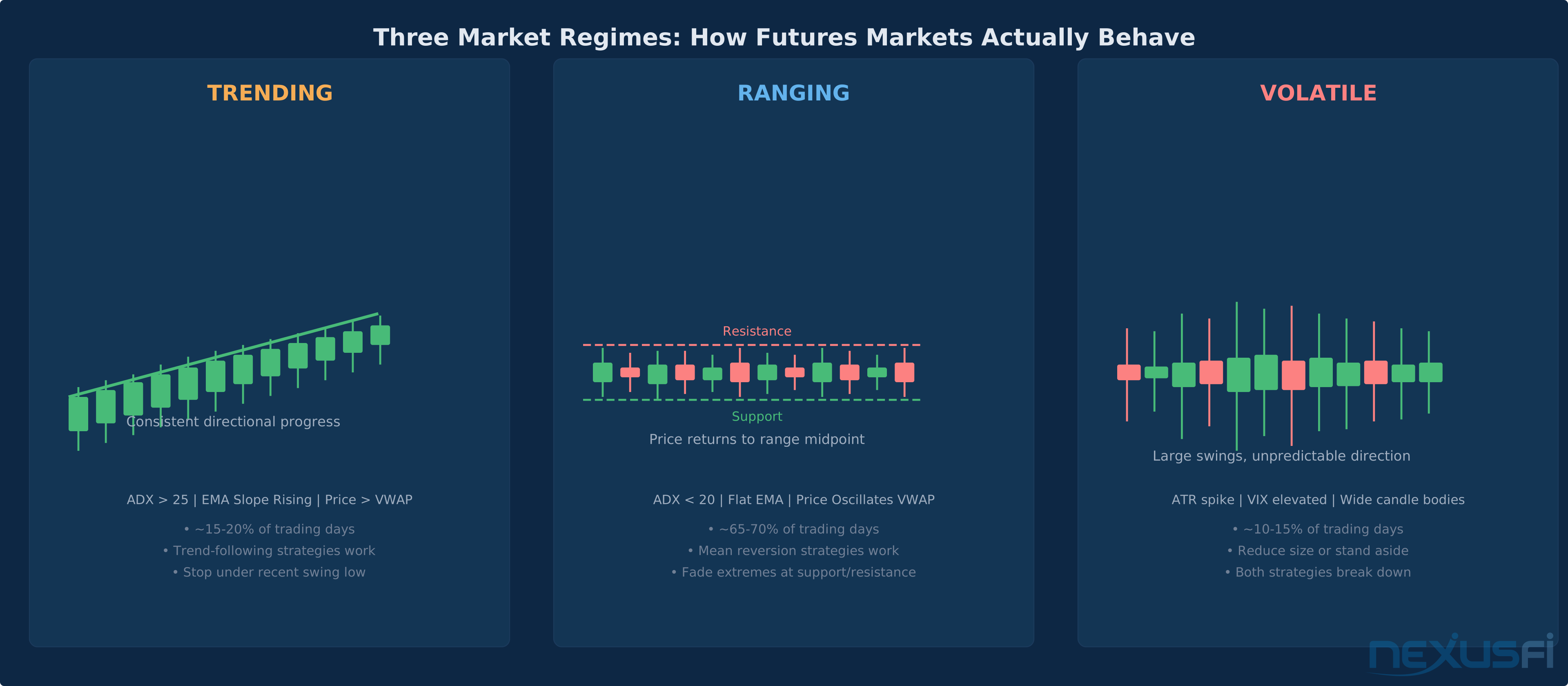
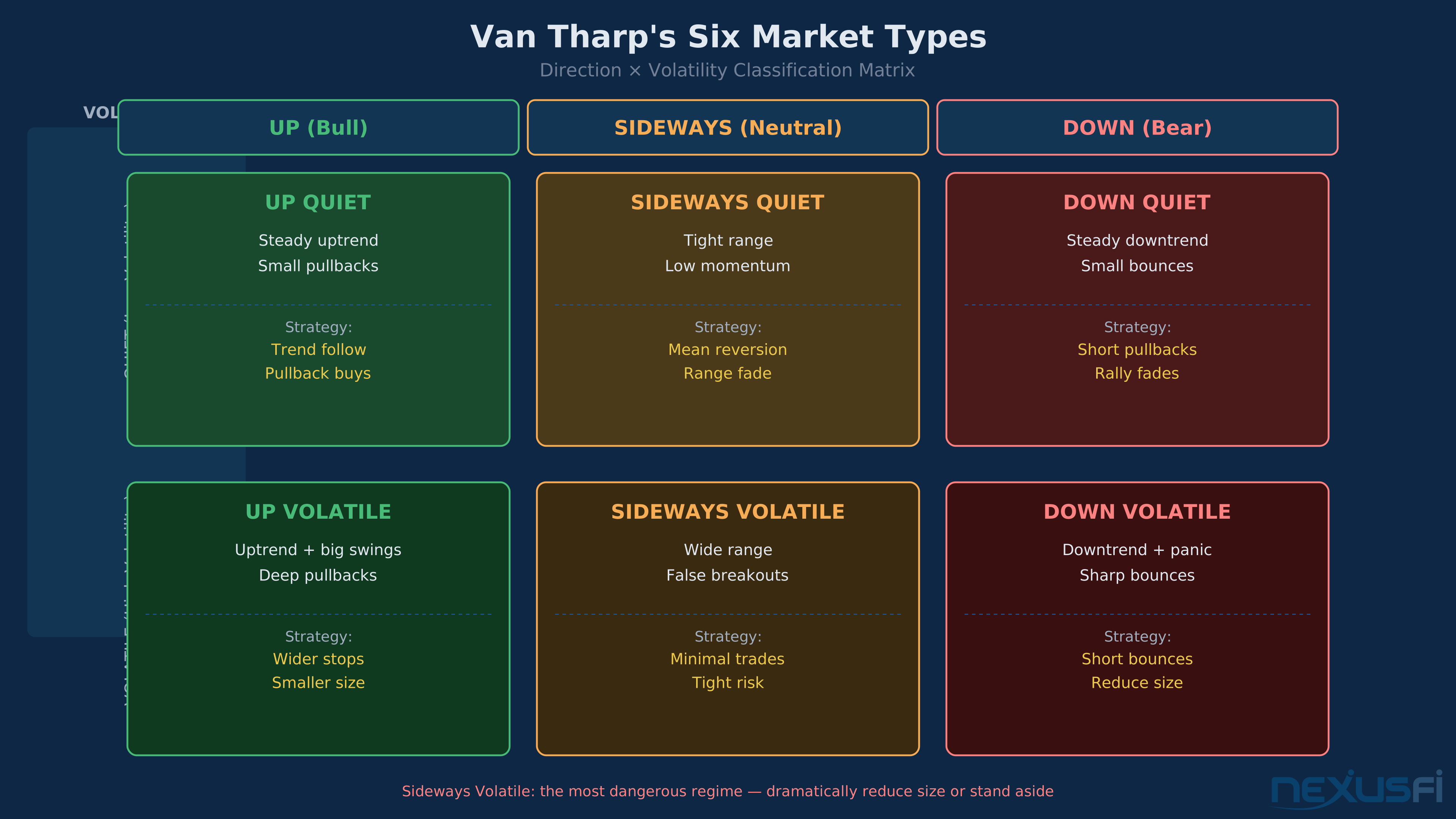
Market type classification is the practice of identifying which of six distinct market environments currently exists -- and then adapting your strategy, posi...
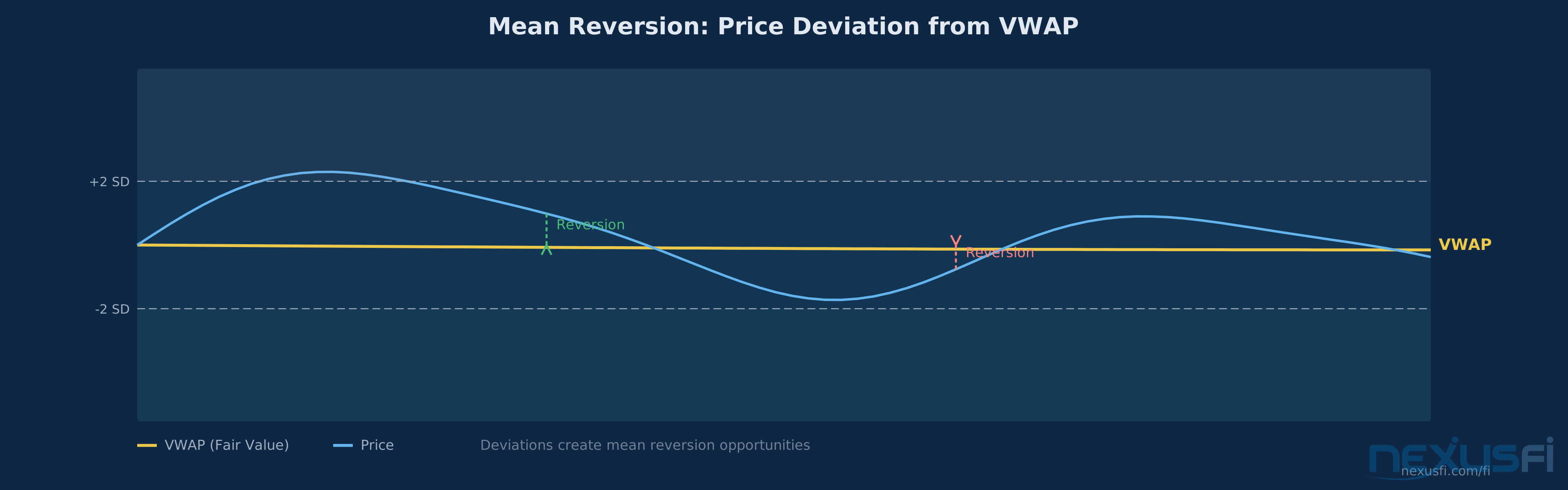
Mean reversion is the single most traded behavior in futures markets This isn't a single-indicator strategy. Mean reversion is a behavior Here's the differen...
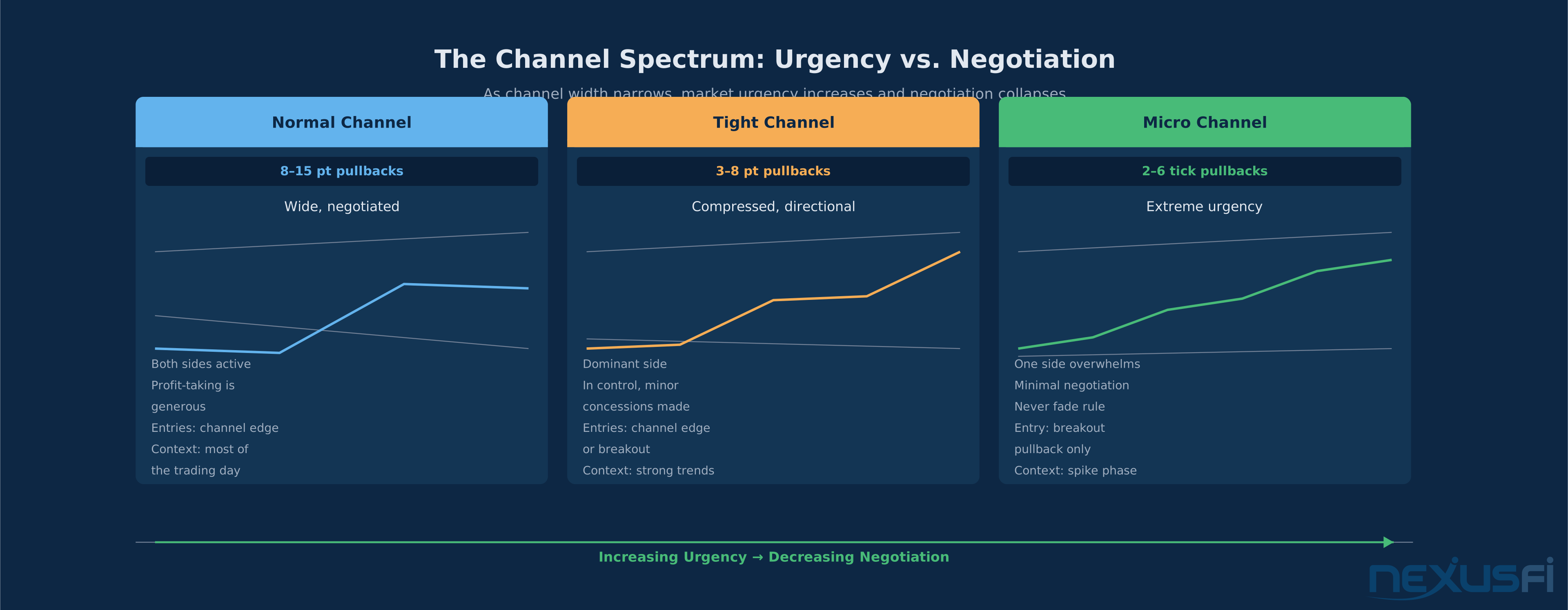
Micro Channels and Tight Channels in Day Trading: Al Brooks' Framework for Trading Extreme Urgency If the markets have a red-alert mode, micro channels are i...
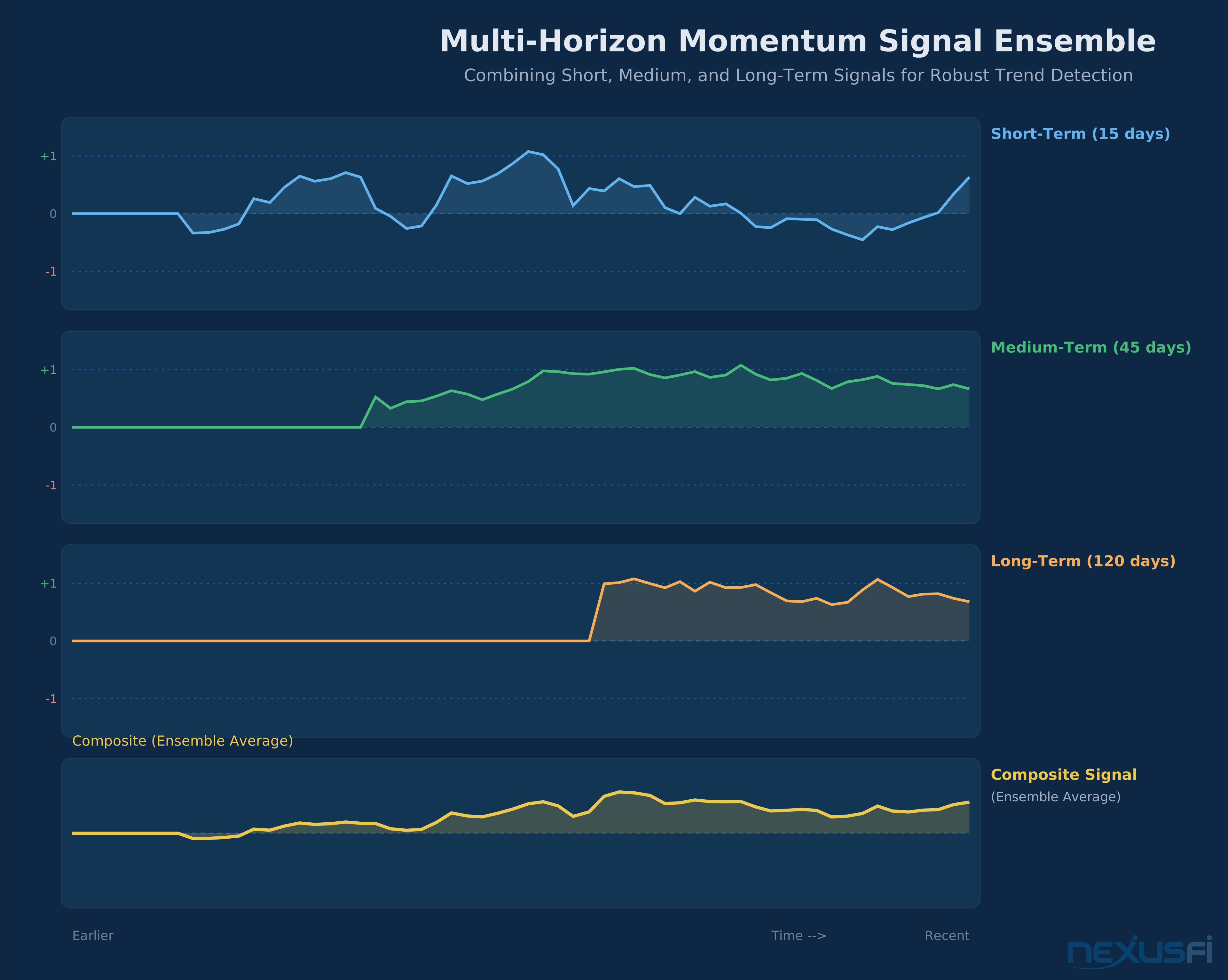
Momentum trading is the systematic exploitation of price persistence -- the tendency of assets that have been moving in a direction to continue moving in tha...
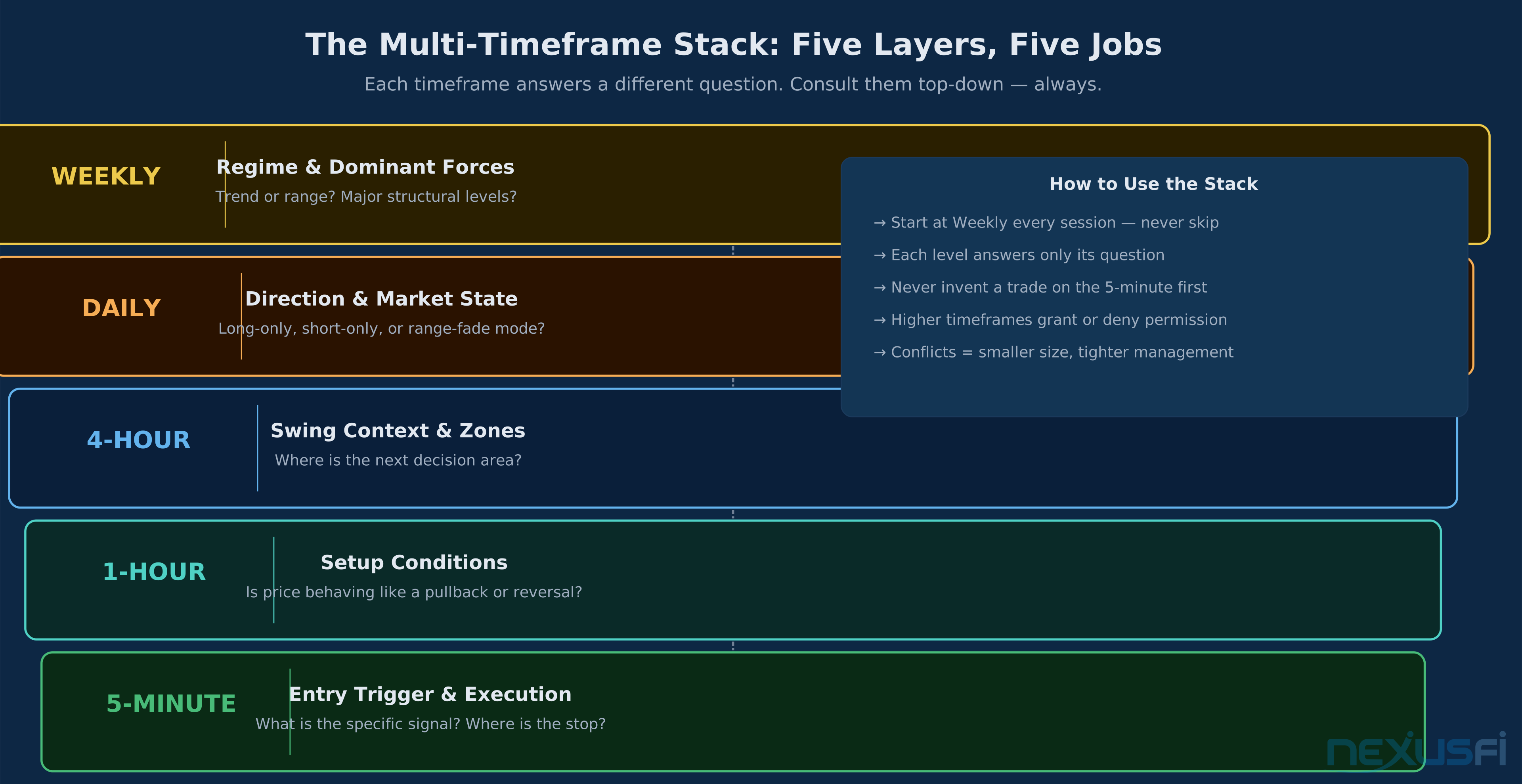
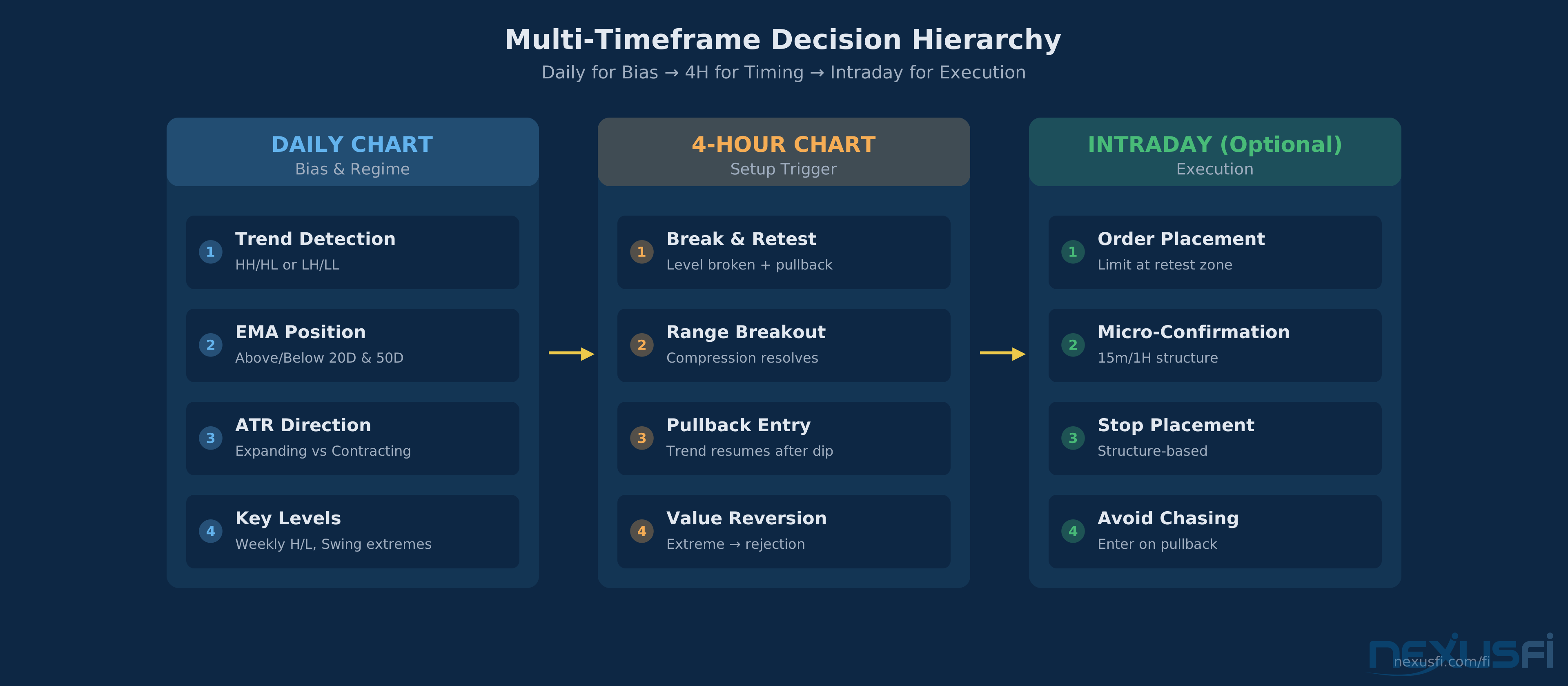
Every 5-minute candle exists inside a 1-hour move, which exists inside a 4-hour swing, which exists inside a daily trend. Ignoring that hierarchy doesn't mak...
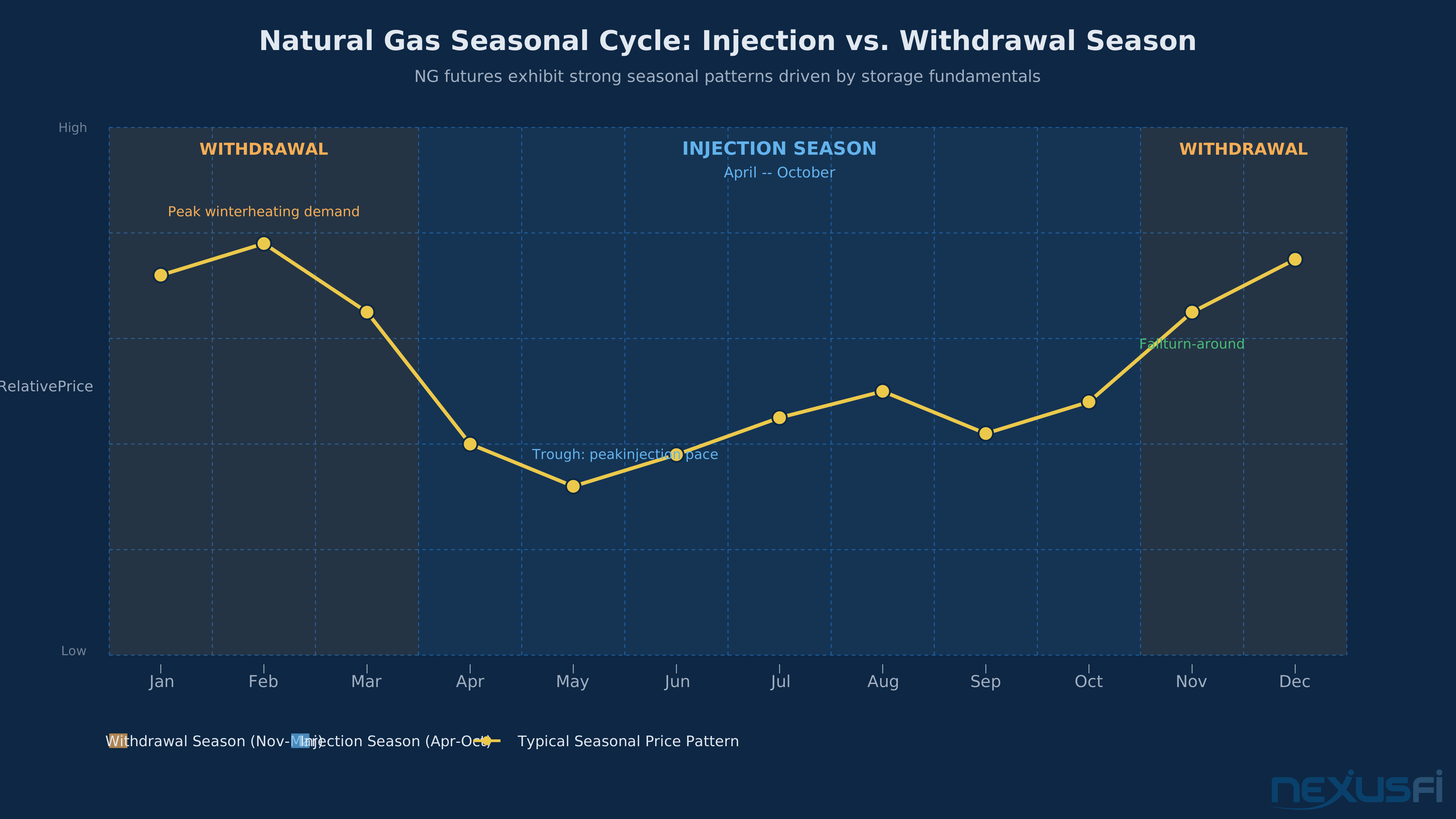
Natural gas is the market that rewards preparation and punishes guesswork. More than almost any other futures contract, NG rewards traders who understand why...
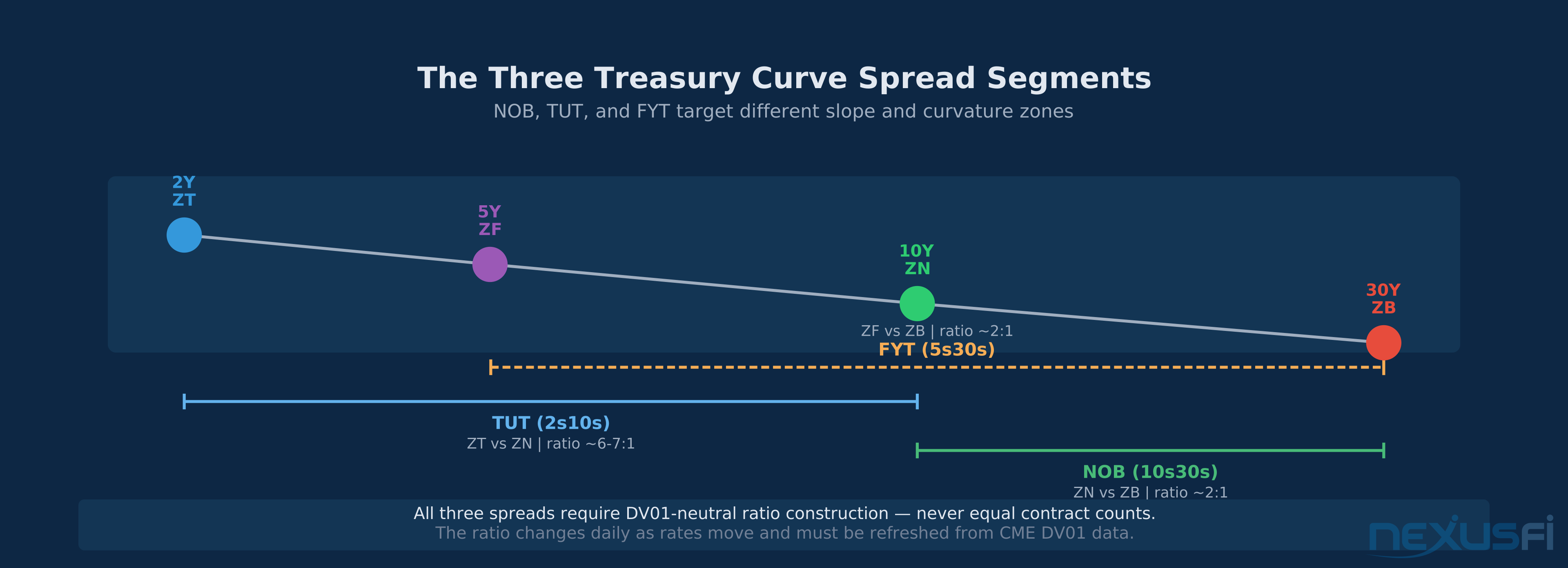
Most futures traders who touch Treasury markets start with outright positions — long ZN, short ZB, some view on where rates are going. That works, but it e...
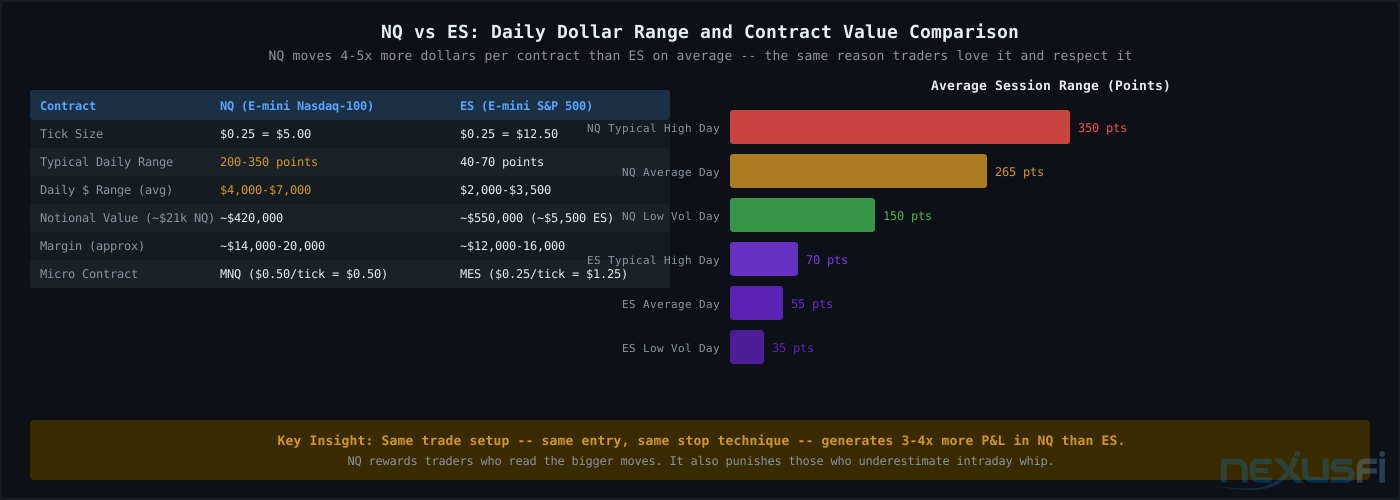
Overview NQ is not a faster ES. That's the most common mistake traders make when switching from the S&P 500 E-mini to the Nasdaq-100 E-mini -- they assume th...
OPEC+ meets eight times a year to set production quotas for 23 member countries. Every meeting moves WTI crude (CL) and Brent (BZ) futures within seconds of ...
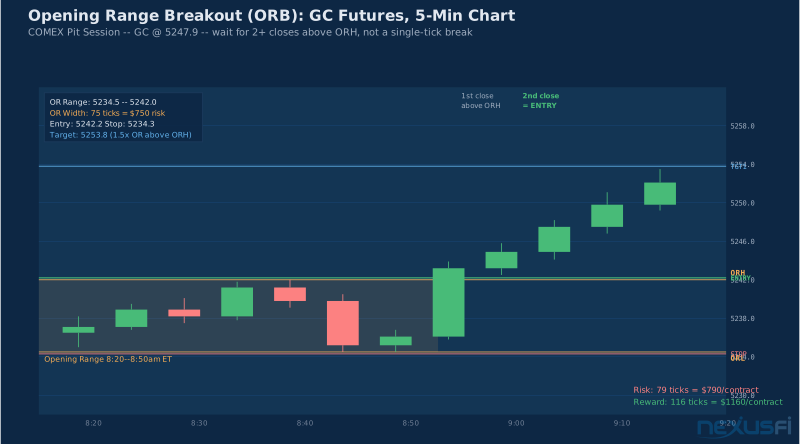
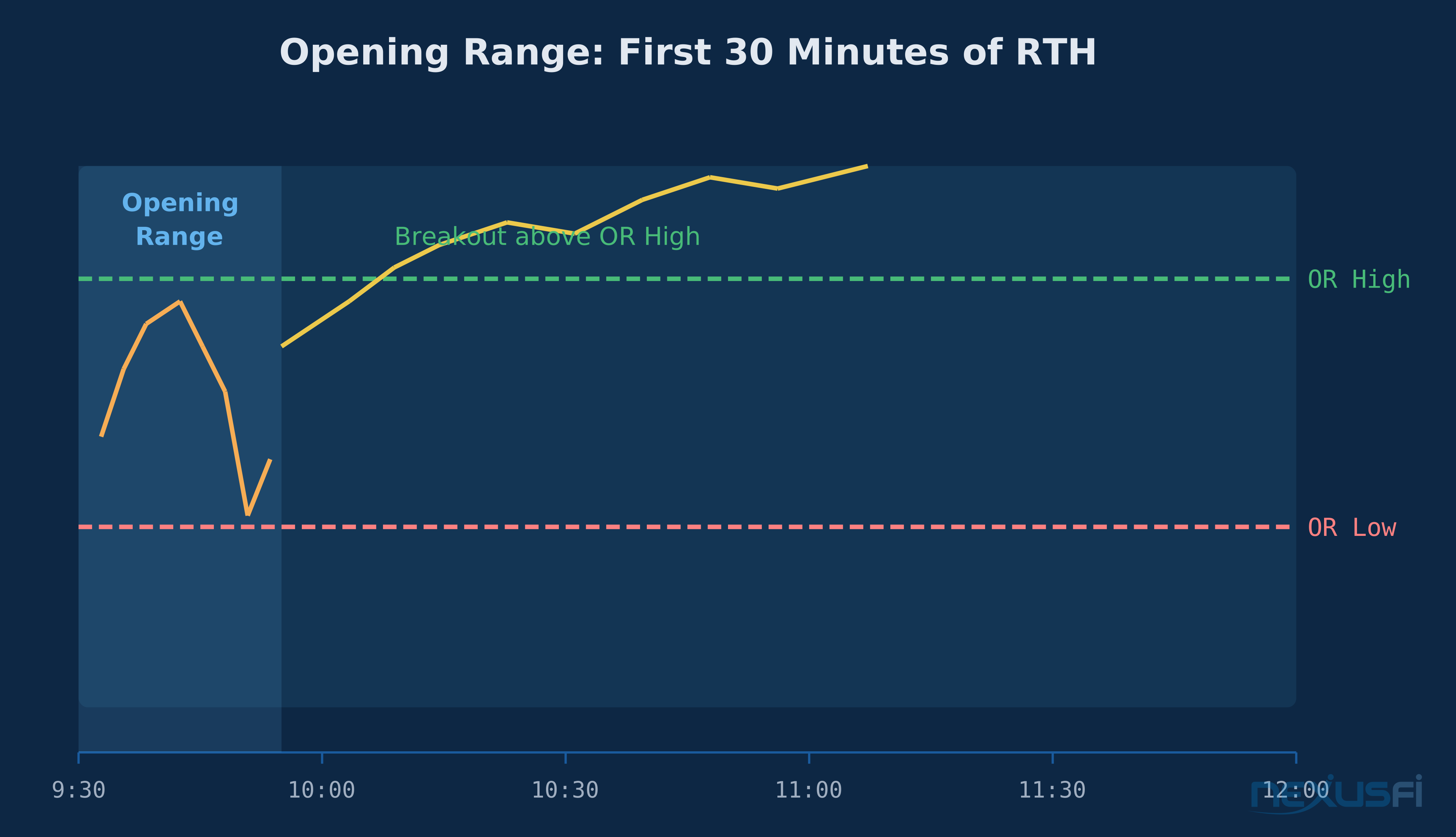
Overview The opening range breakout is one of the oldest and most statistically tested day trading strategies in futures markets. The concept is straightforw...
Overview Most futures traders know about support and resistance. But the best-performing ES and NQ traders understand a different kind of level -- one that's...
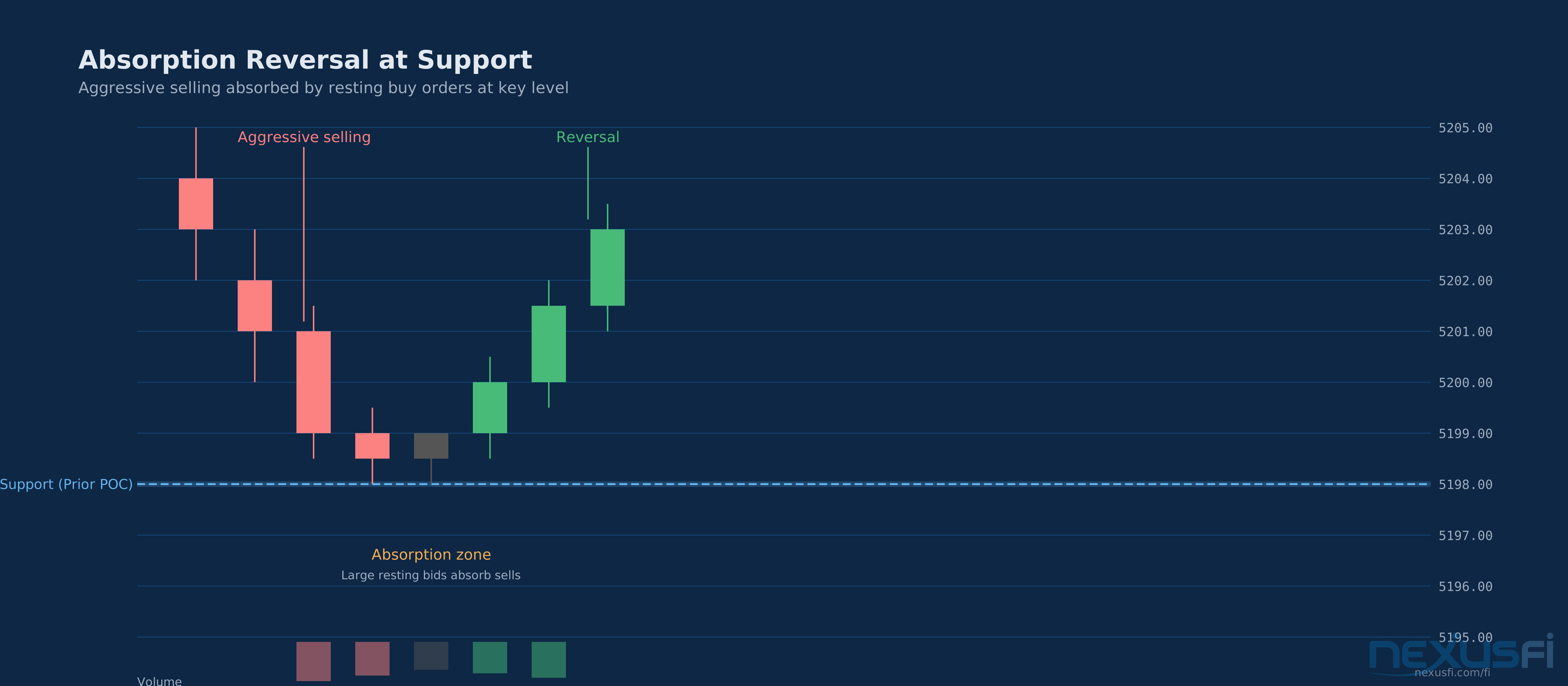
Order flow is the raw language of the market. Every price movement you see on a chart is the result of order flow -- aggressive buyers lifting offers, passiv...
The starting point of this methodology is treating each bar as a self-contained auction record. When a bar closes, it encodes exactly four pieces of informat...
The framework rests on three pillars -- and the order matters. Context first, pattern second. This is the single most important principle in price action tra...
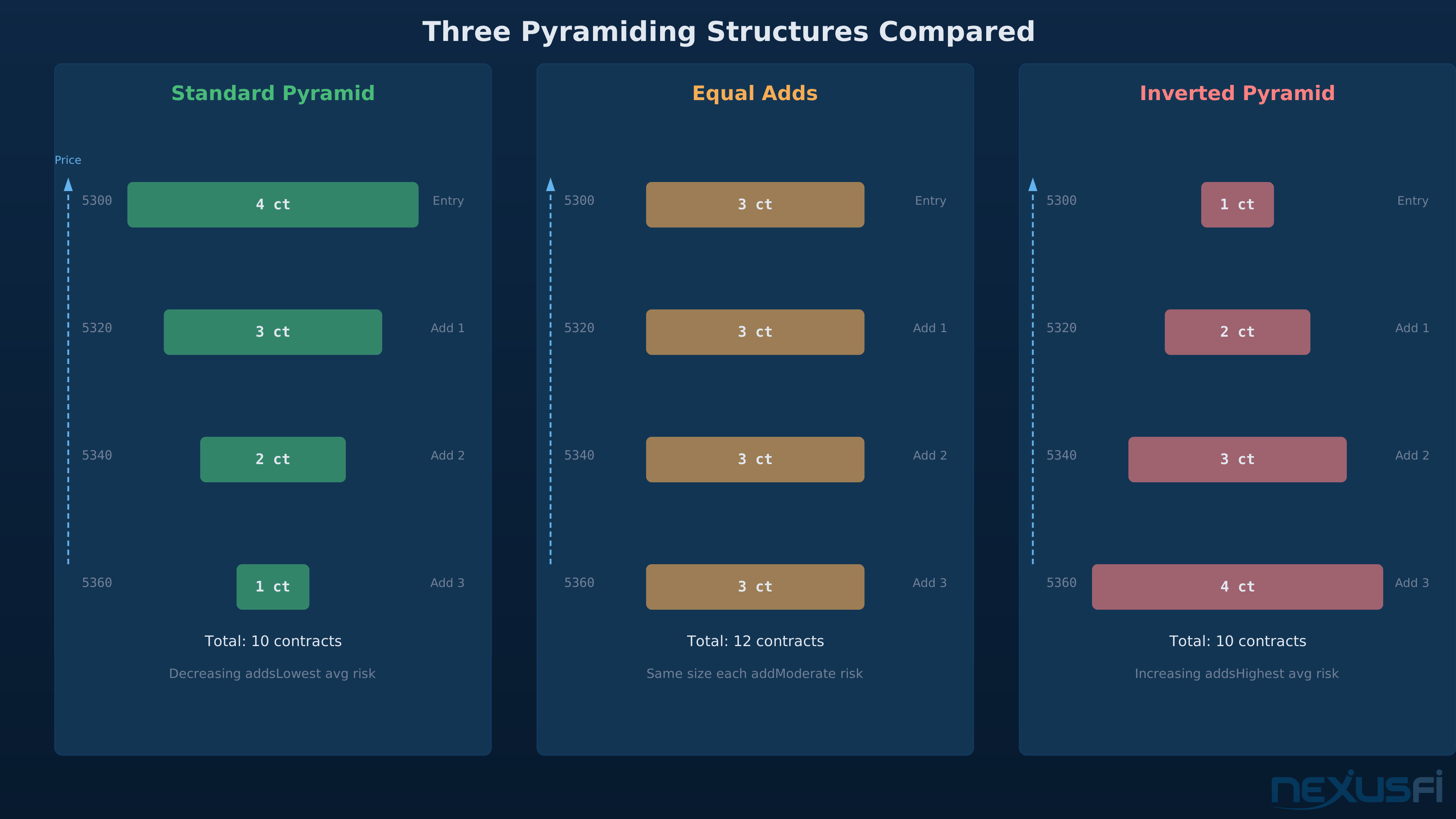
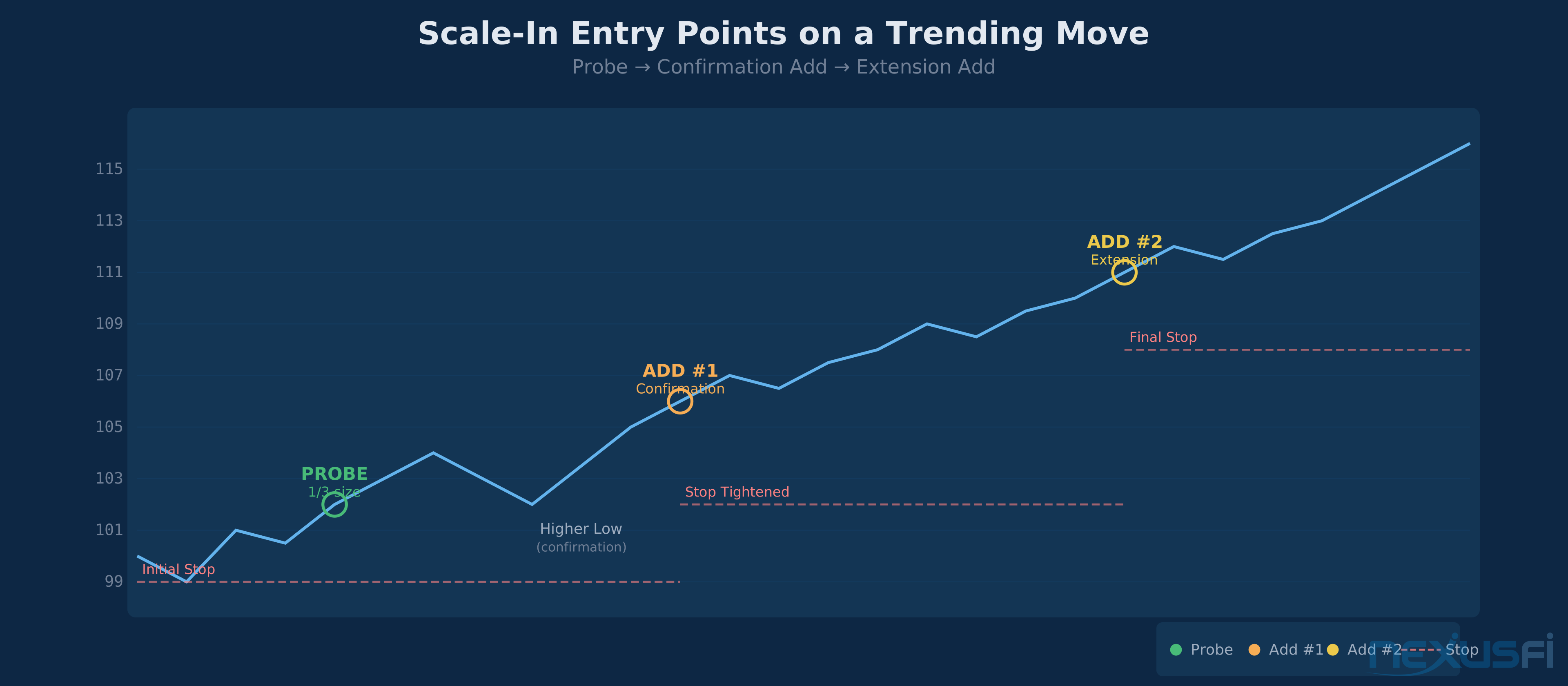
Pyramiding is the practice of adding to a winning position as the trade moves in your favor. Instead of entering your full size at one price, you build the p...
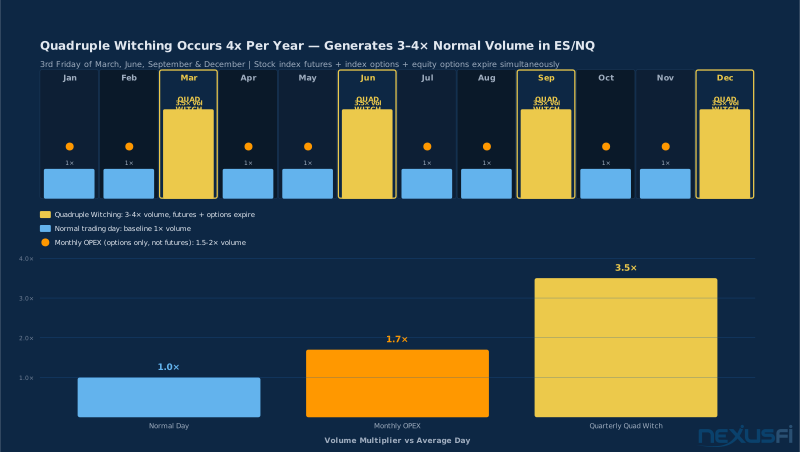
Four times a year, the market puts on a show unlike any other. Quadruple witching -- the simultaneous expiration of stock index futures, stock index options,...
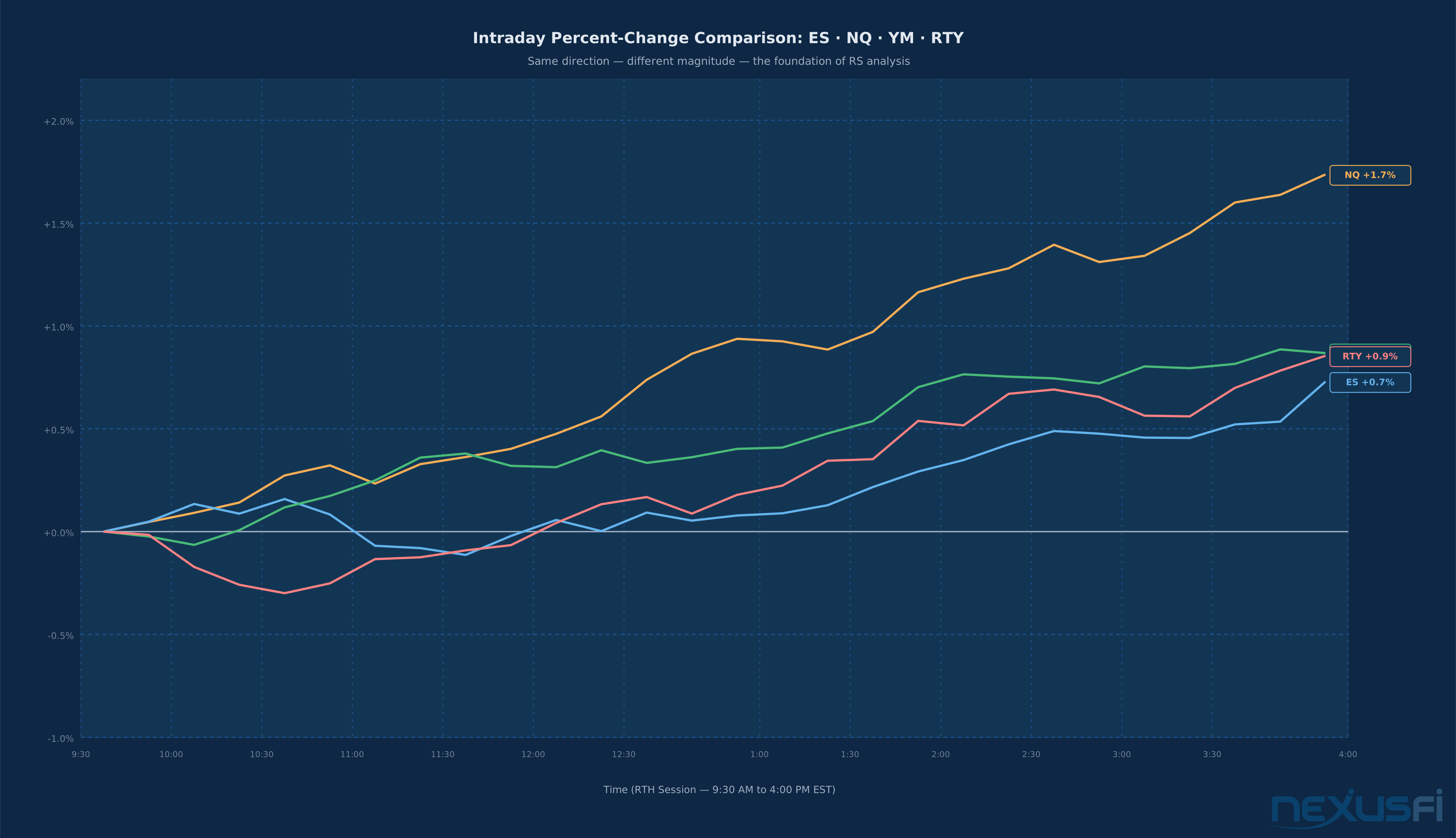
Overview Every futures trader eventually asks: "Which index should I be trading right now?" On most days, ES, NQ, YM, and RTY all trend in the same direction...
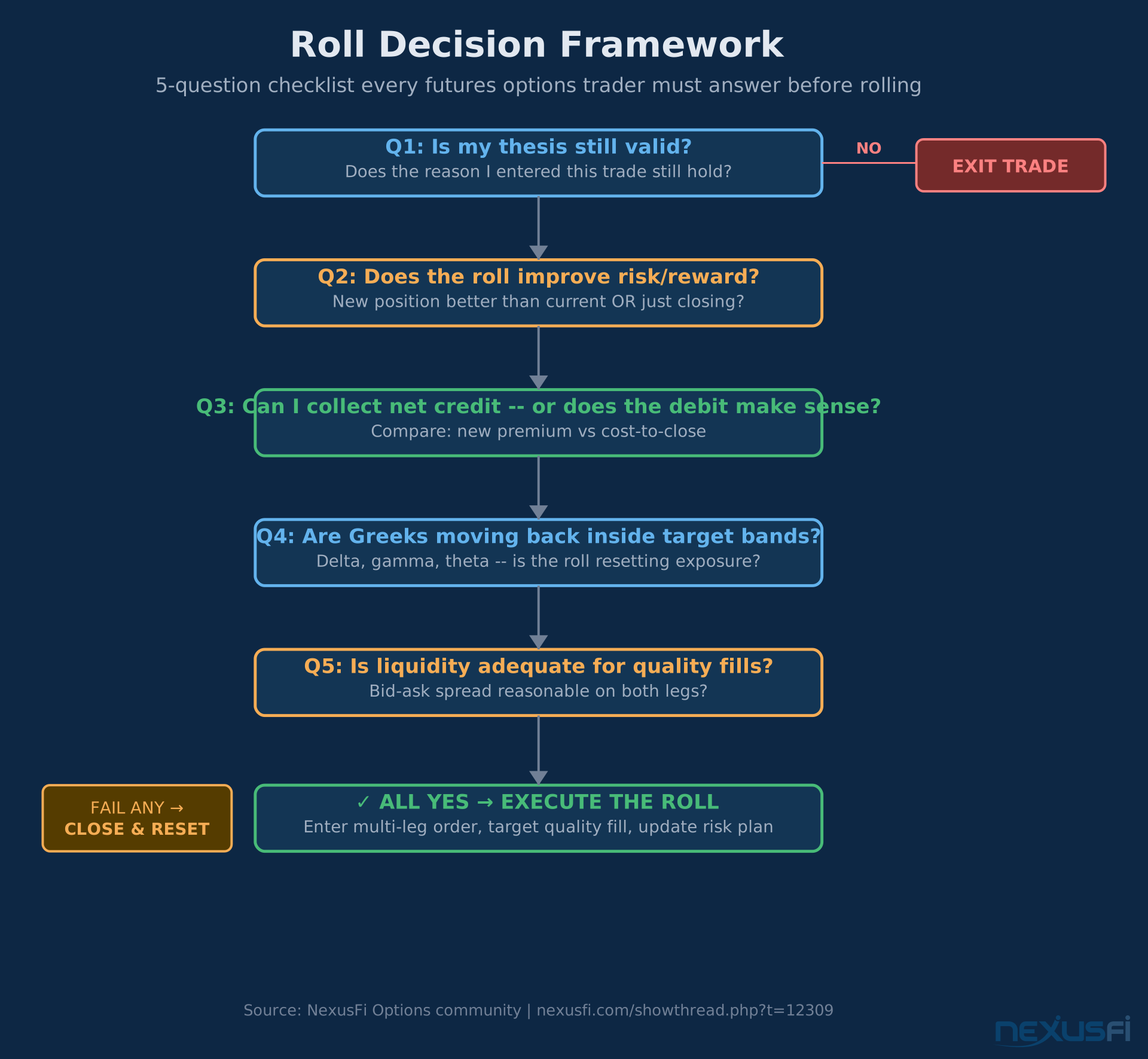
Overview Rolling an options position on futures is one of the most misunderstood risk management tools in the active trader's toolkit. Ask five traders what ...
Professional scale-in trading follows a three-phase structure. Each phase has its own entry trigger, its own stop logic, and its own reason for existing. Ski...
Scalping is the shortest-timeframe discretionary trading approach in futures -- holding positions for seconds to minutes, targeting small moves, and relying ...
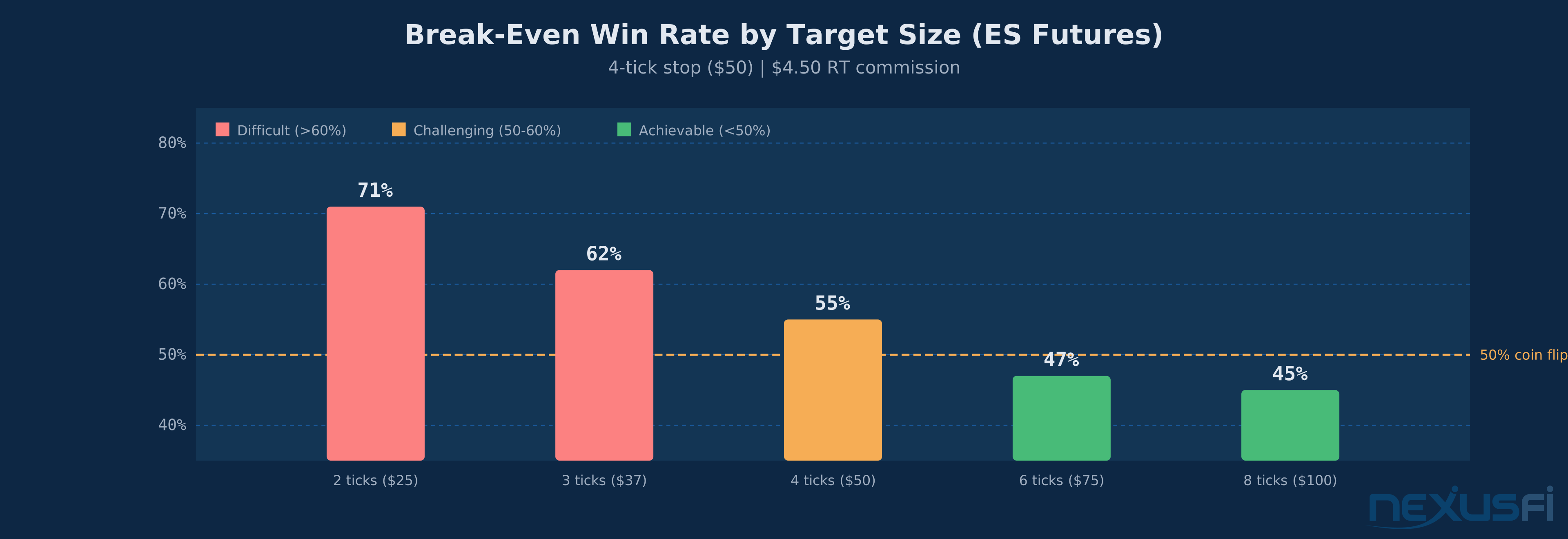
Scalping is the art of extracting small, consistent profits from micro-movements in price -- getting in, getting paid, getting out. In ES that means 2-6 tick...
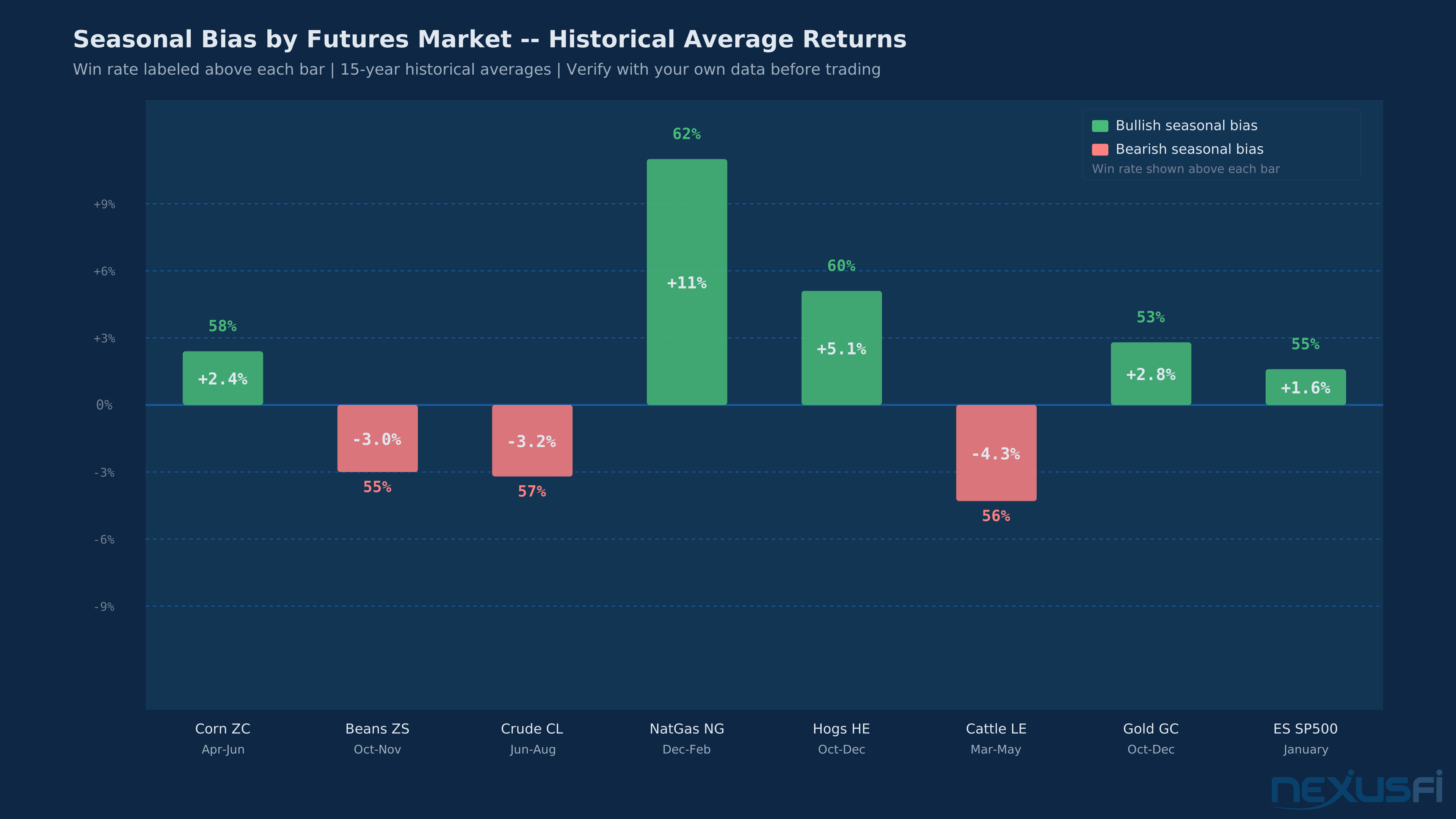
Every year, corn rallies into planting season. Natural gas rips higher when winter storage draws begin. Lean hogs firm up as holiday ham demand peaks. These ...
Professional option sellers overwhelmingly prefer futures options over equity options. Three structural advantages explain why. Theta decay accelerates in th...
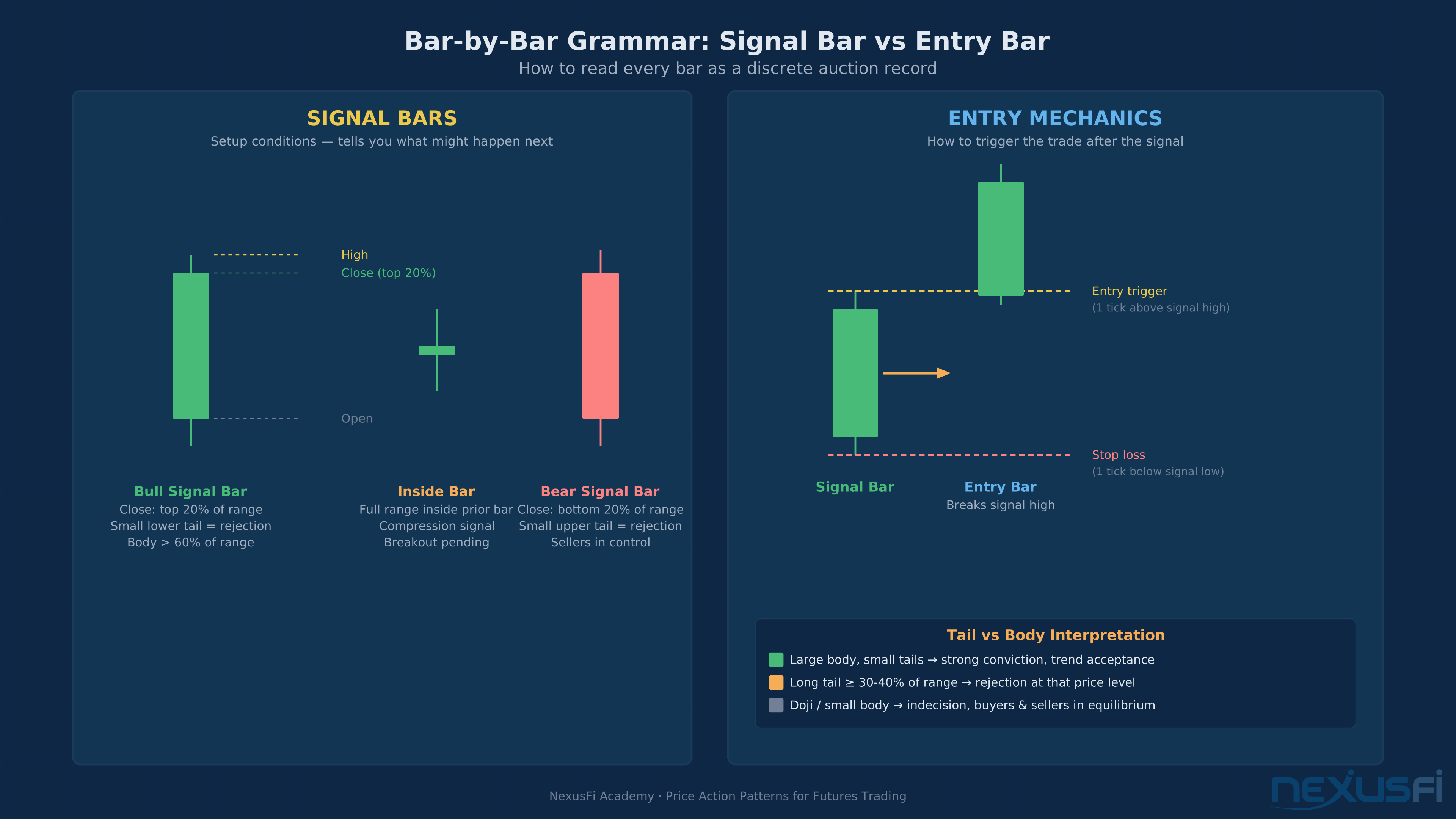
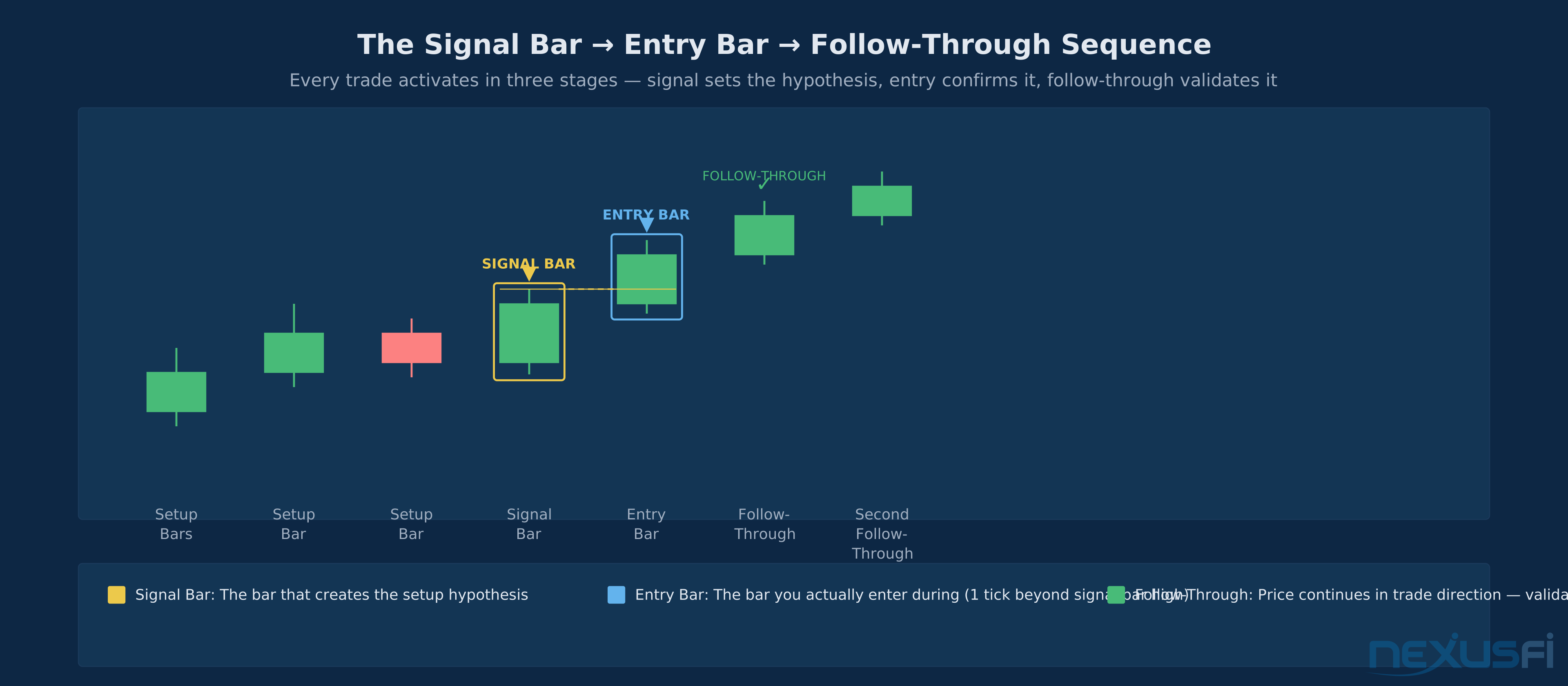
Signal bars and entry bars are the two most important individual bars in Al Brooks' price action trading system. Understanding the distinction between them -...
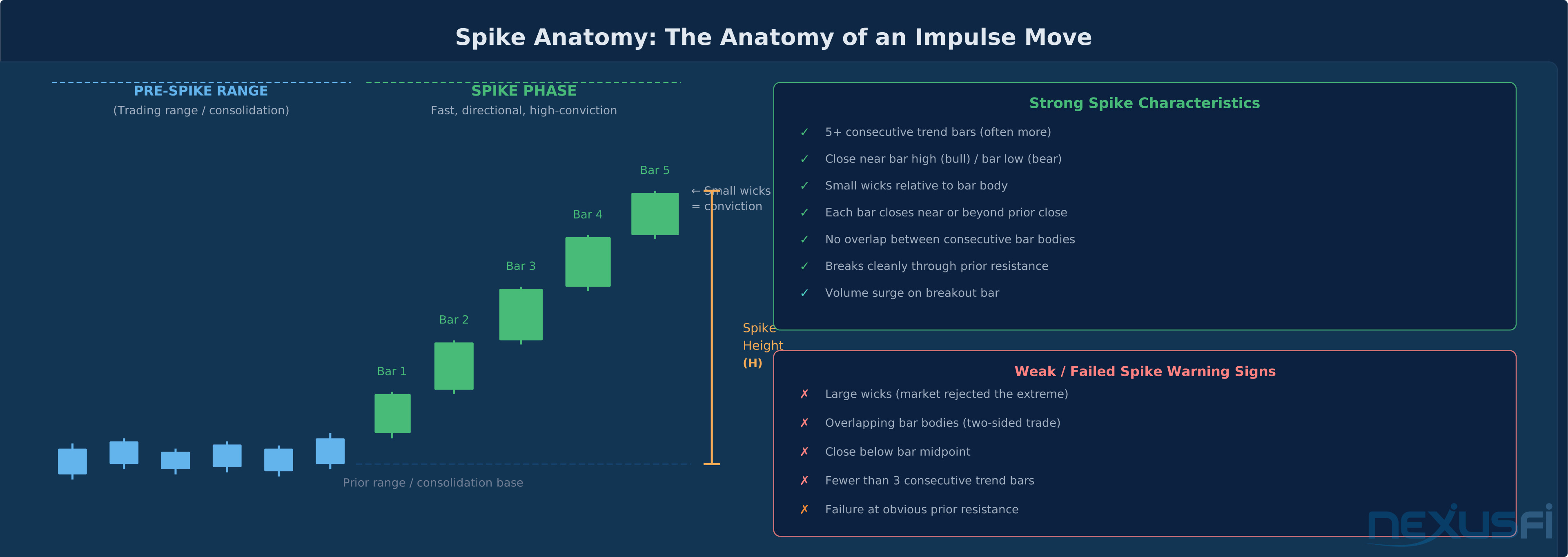
Price action trading rests on a deceptively simple observation: strong moves almost never happen in a single, uninterrupted thrust. They unfold in phases. Al...
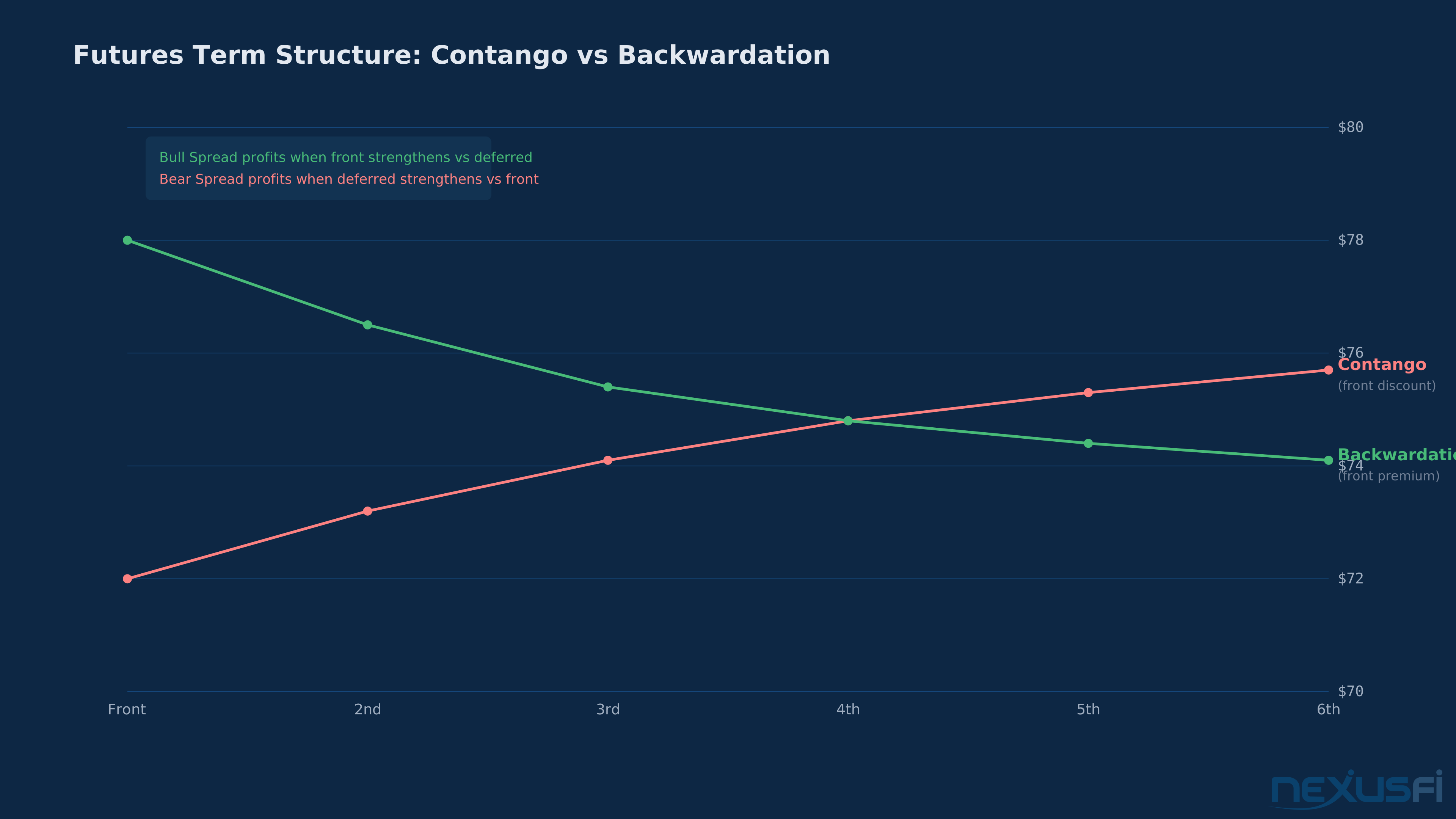
Spread trading is relative value trading. You're not betting on where crude oil goes -- you're betting on the relationship between two contracts. Long one le...
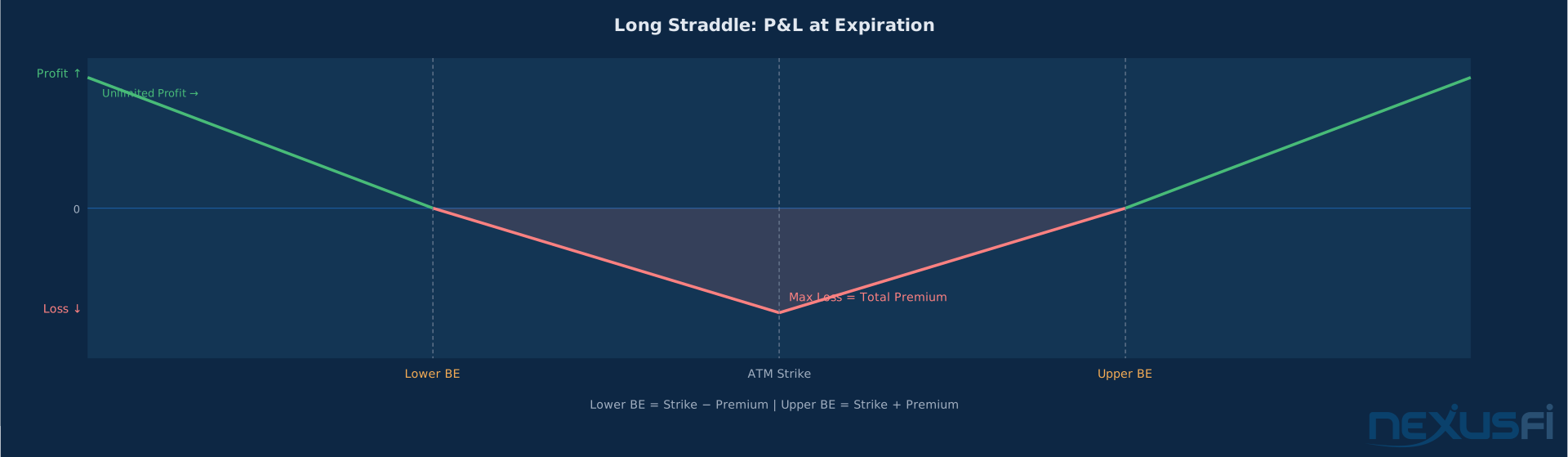
Straddles and strangles are the cleanest expression of a directional-neutral volatility trade in the options market. You're not betting on which way the unde...
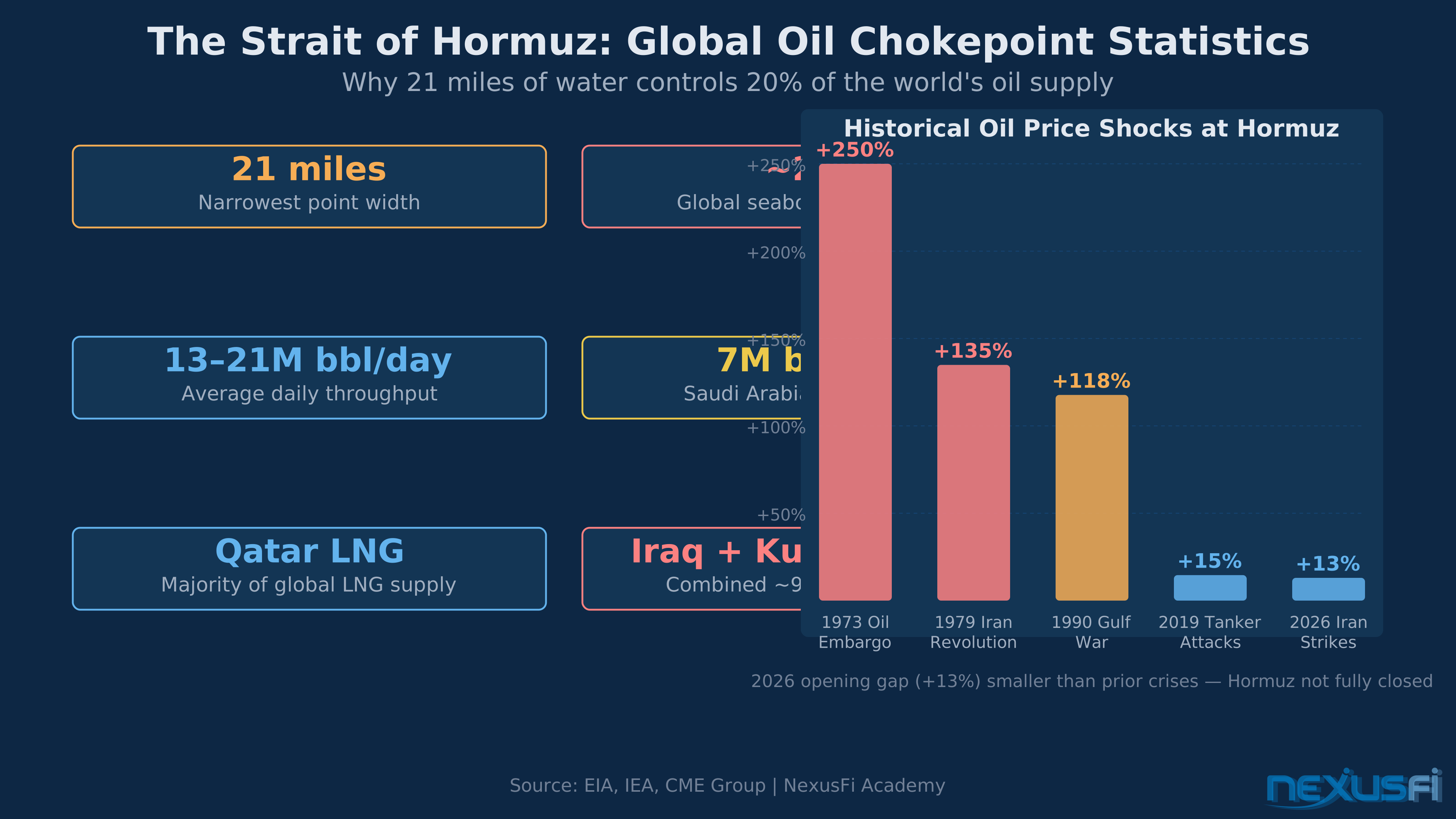
The Strait of Hormuz is 21 miles wide at its narrowest point. It connects the Persian Gulf to the Gulf of Oman -- and controls roughly 20% of all global seab...
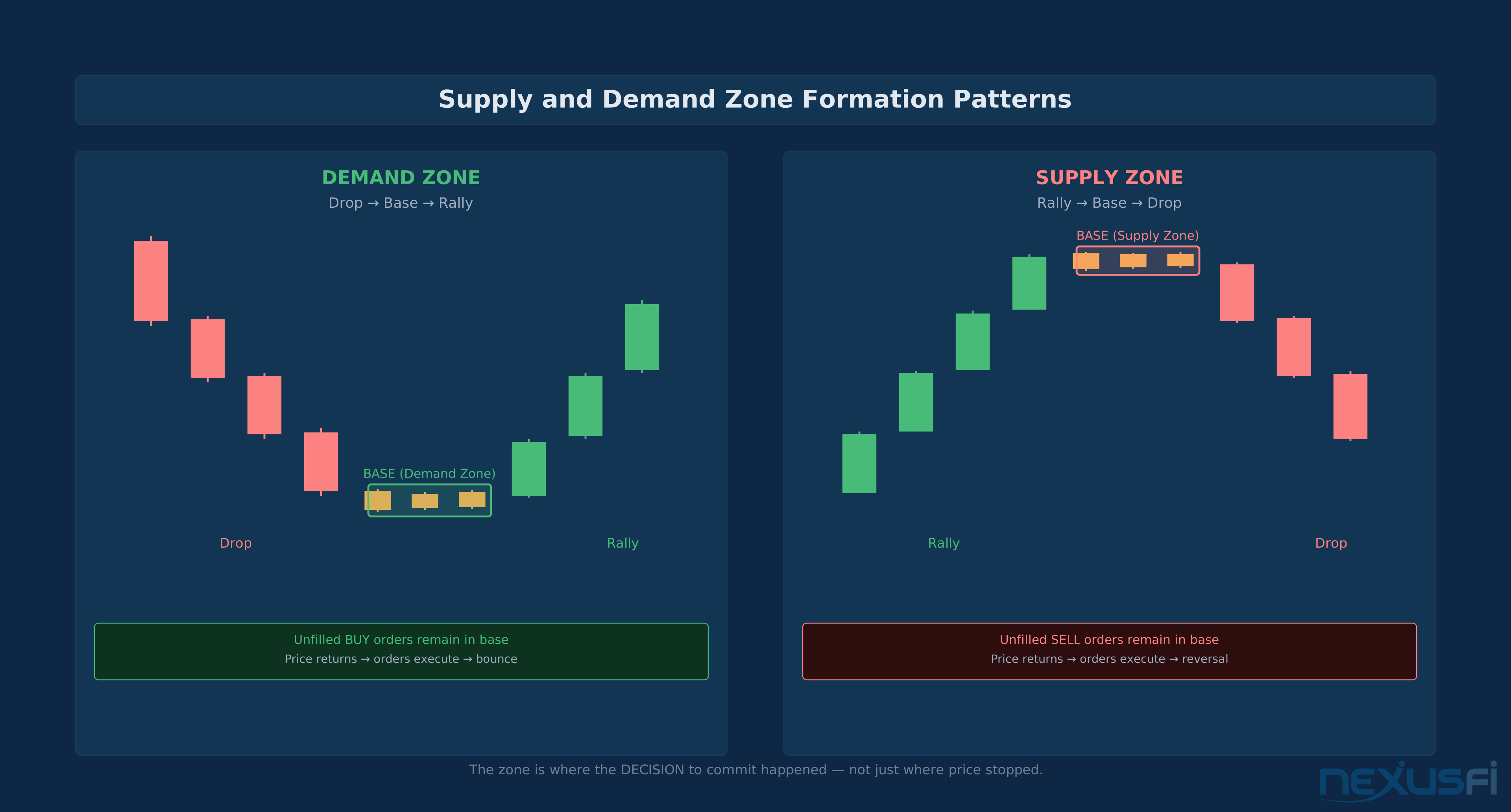
A supply and demand zone is not just a level where price reversed. It is a region where an order flow imbalance was created and left unresolved. When institu...
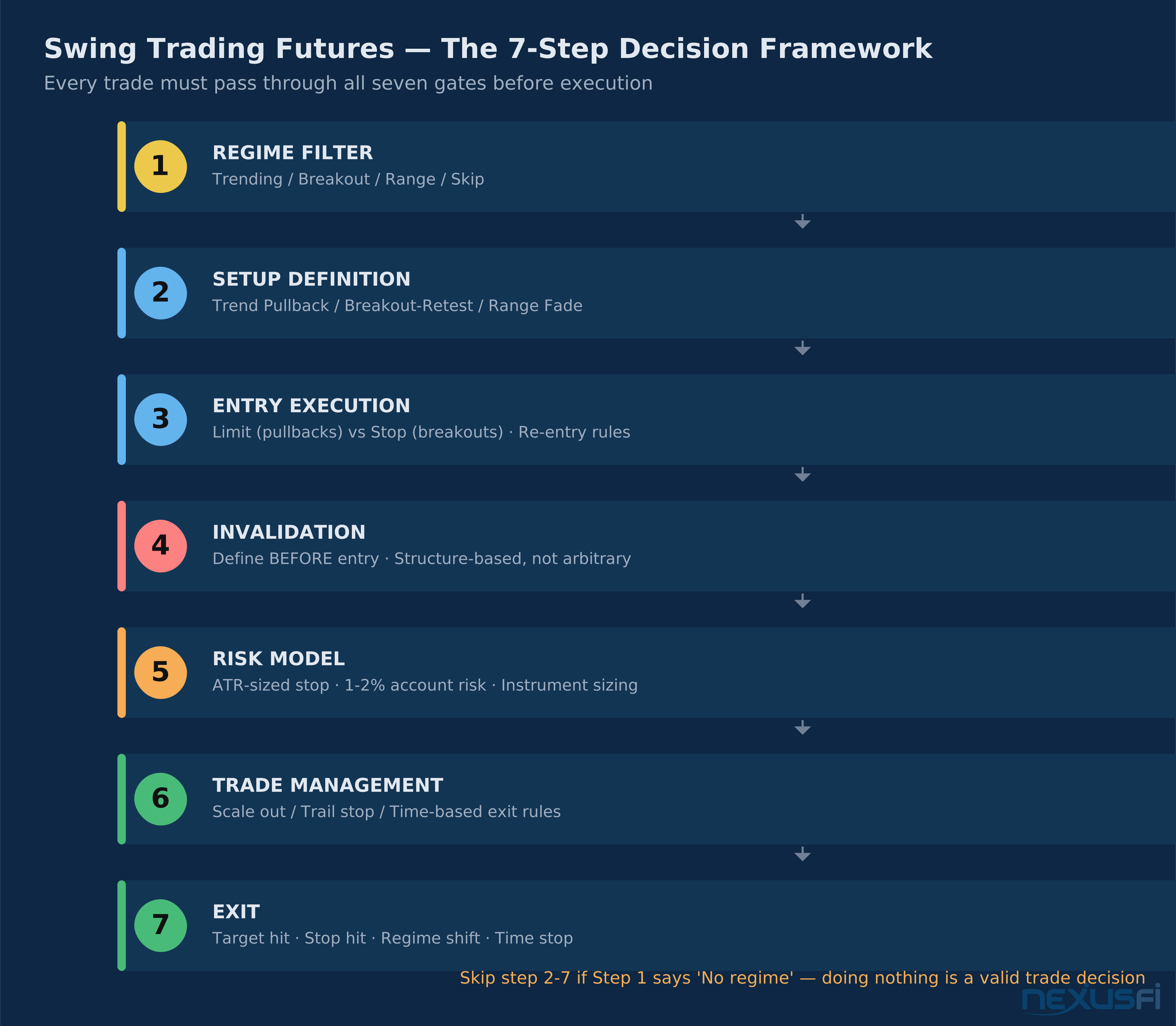
Swing trading futures sits in a distinct lane. You're not scalping ticks on a 1-minute chart, and you're not holding a macro thesis through a quarterly rebal...
Swing trading futures means holding a directional position for 2 to 15 trading days -- long enough to capture multi-session price moves, short enough to avoi...
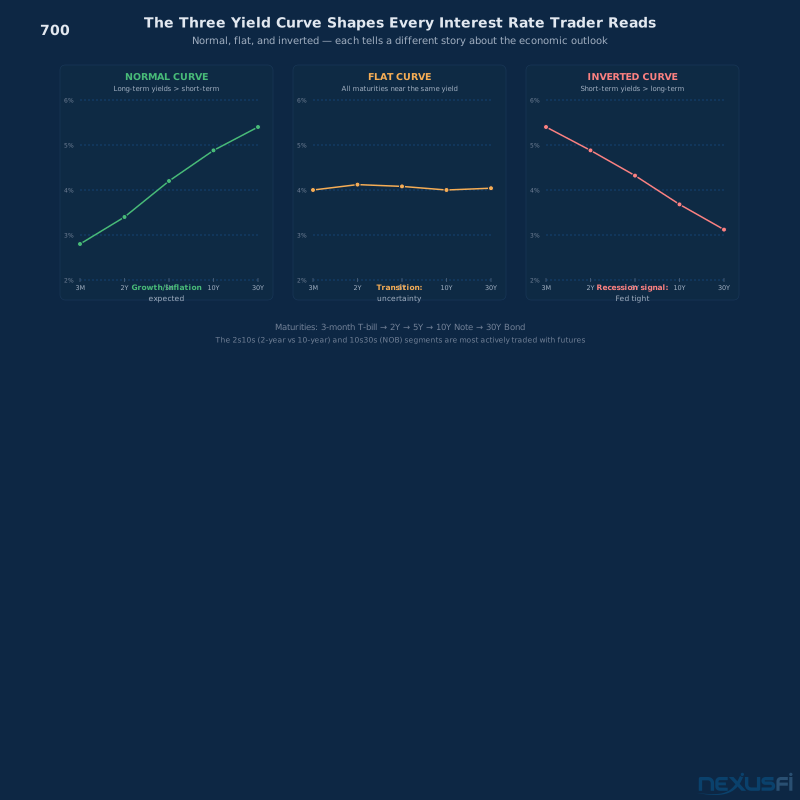
The yield curve is the most important macro indicator in futures trading, and most traders barely look at it. That's backwards. If you trade ES, NQ, ZB, GC -...
Before any discussion of stops, targets, or trailing methods, there's one question every trade plan must answer: Where is my thesis wrong? This is the invali...
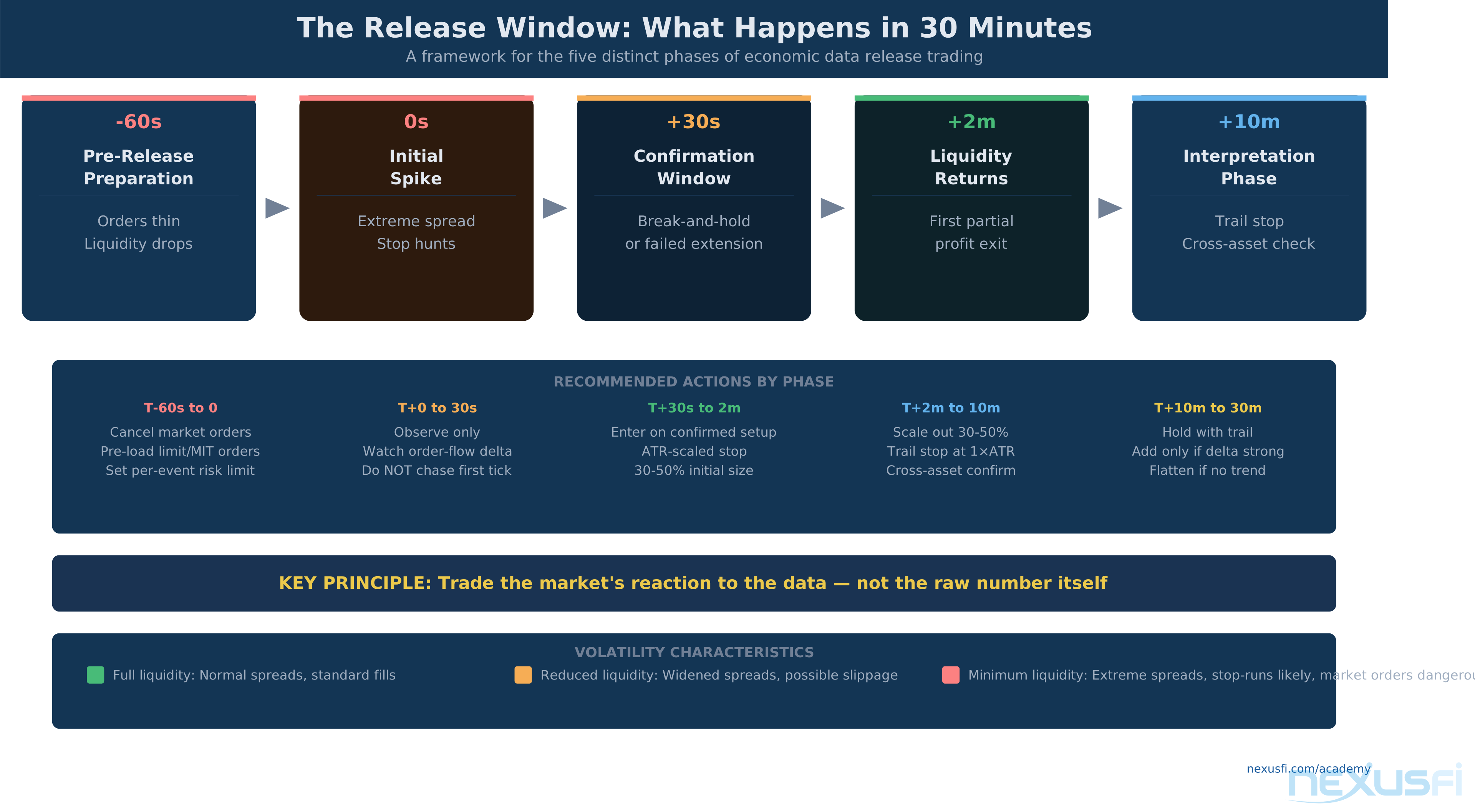
On a normal trading day, liquidity is abundant. The order book is thick, spreads are tight, and you can enter or exit a position at or near your intended pri...
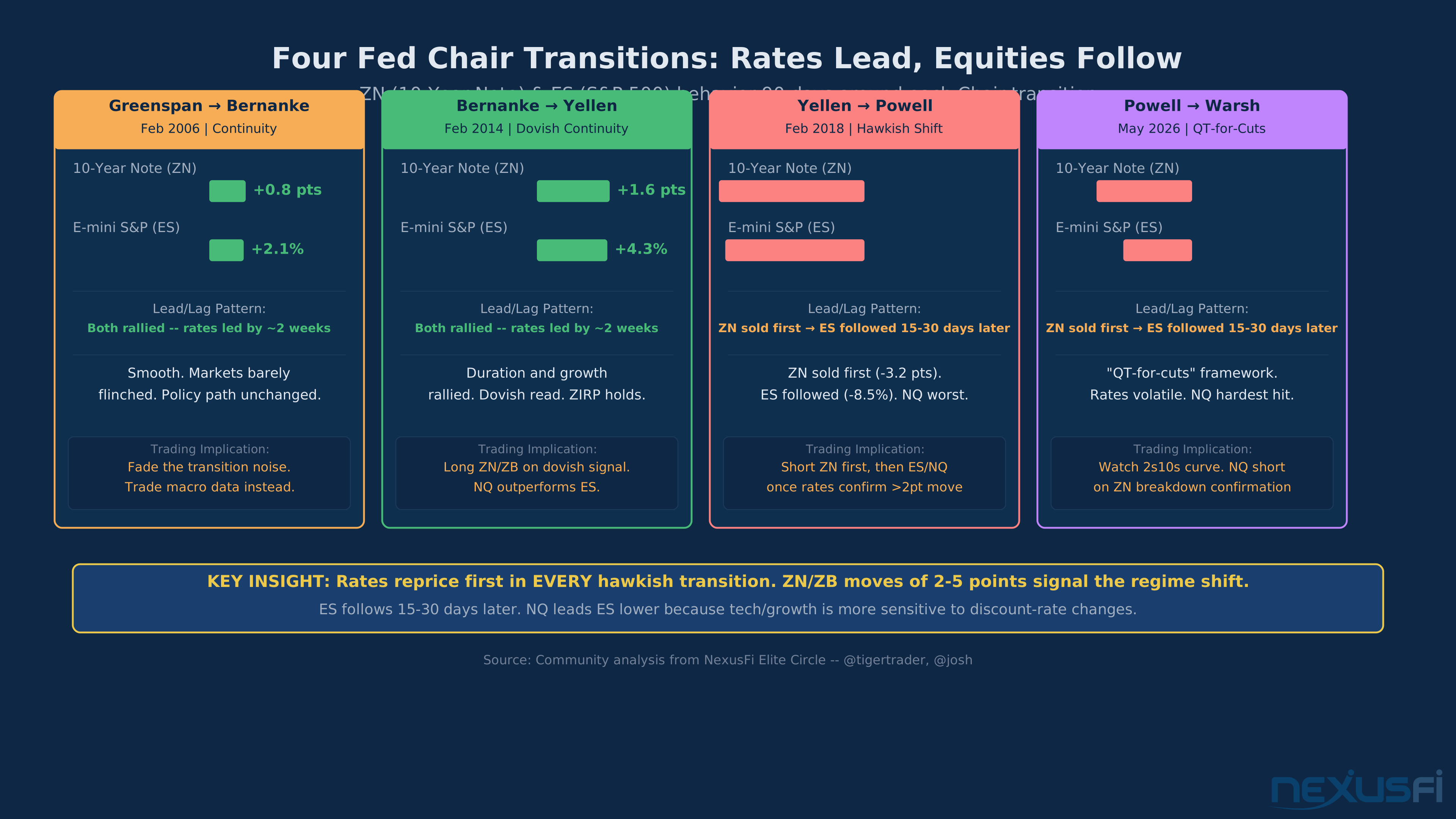
Overview Fed Chair transitions are regime-change events that reprice every major asset class at once. Unlike a CPI print that moves a number, a new Fed Chair...
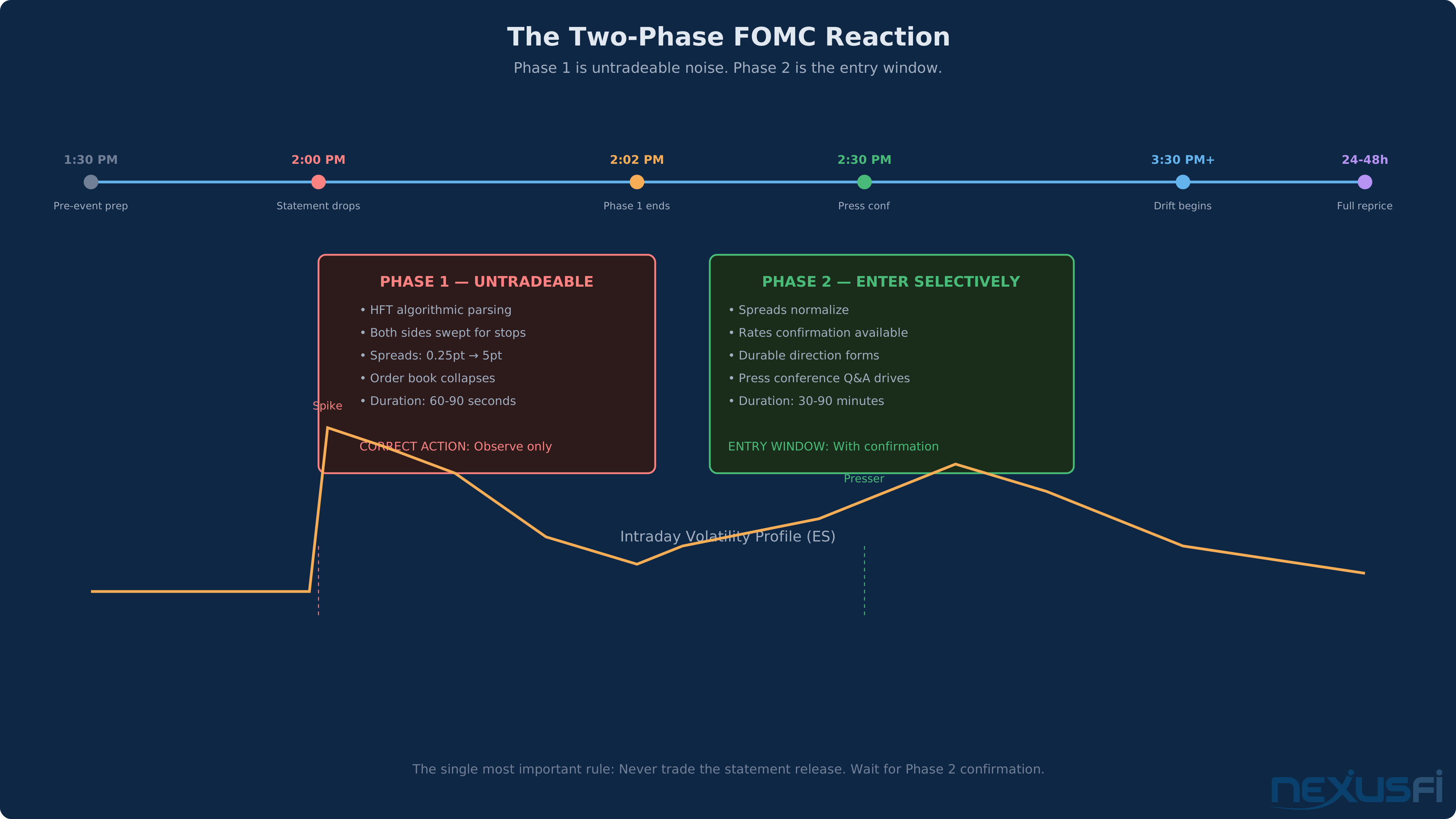
Before trading FOMC events, you should understand: - Fed Funds Futures (ZQ) -- the market's real-time pricing mechanism for interest rate expectations - VWAP...
Most traders fail not because they picked the wrong indicator or missed a setup. They fail because they never built a system for making decisions under press...
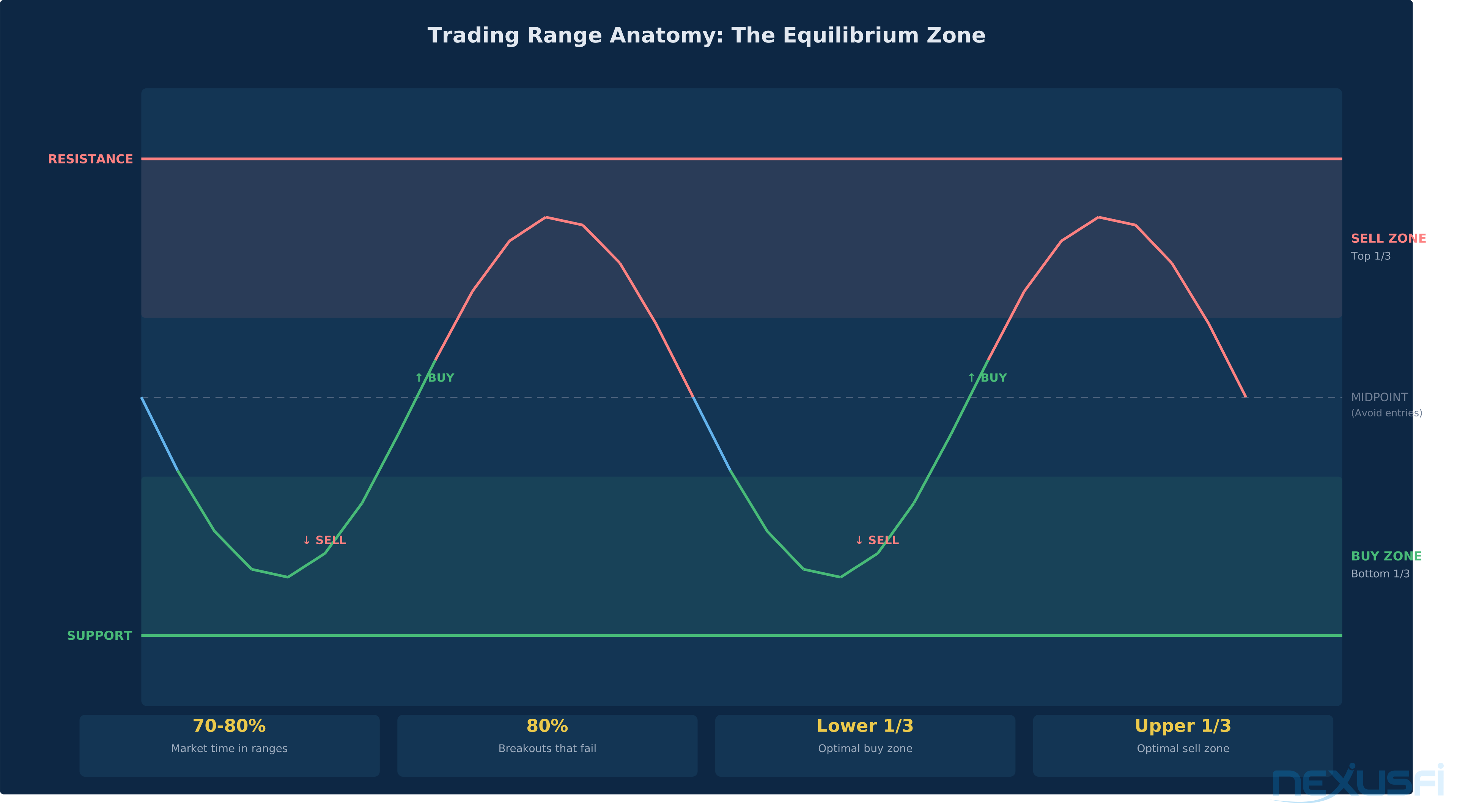
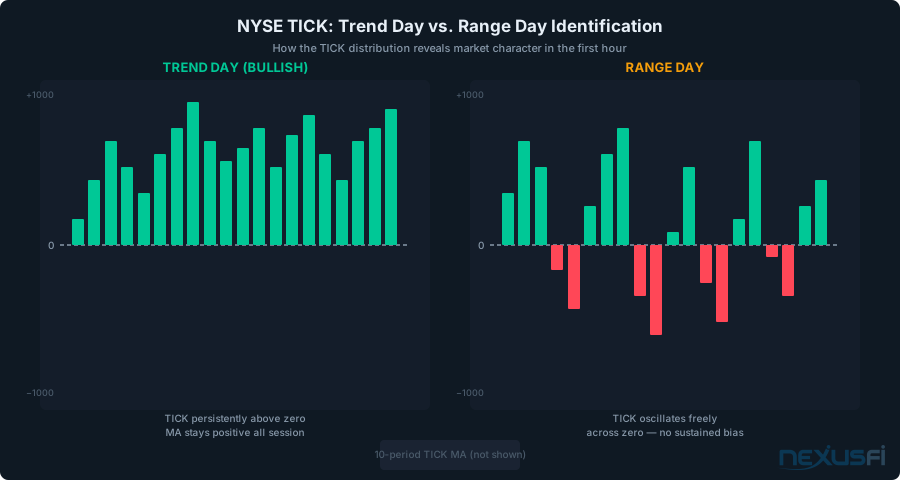
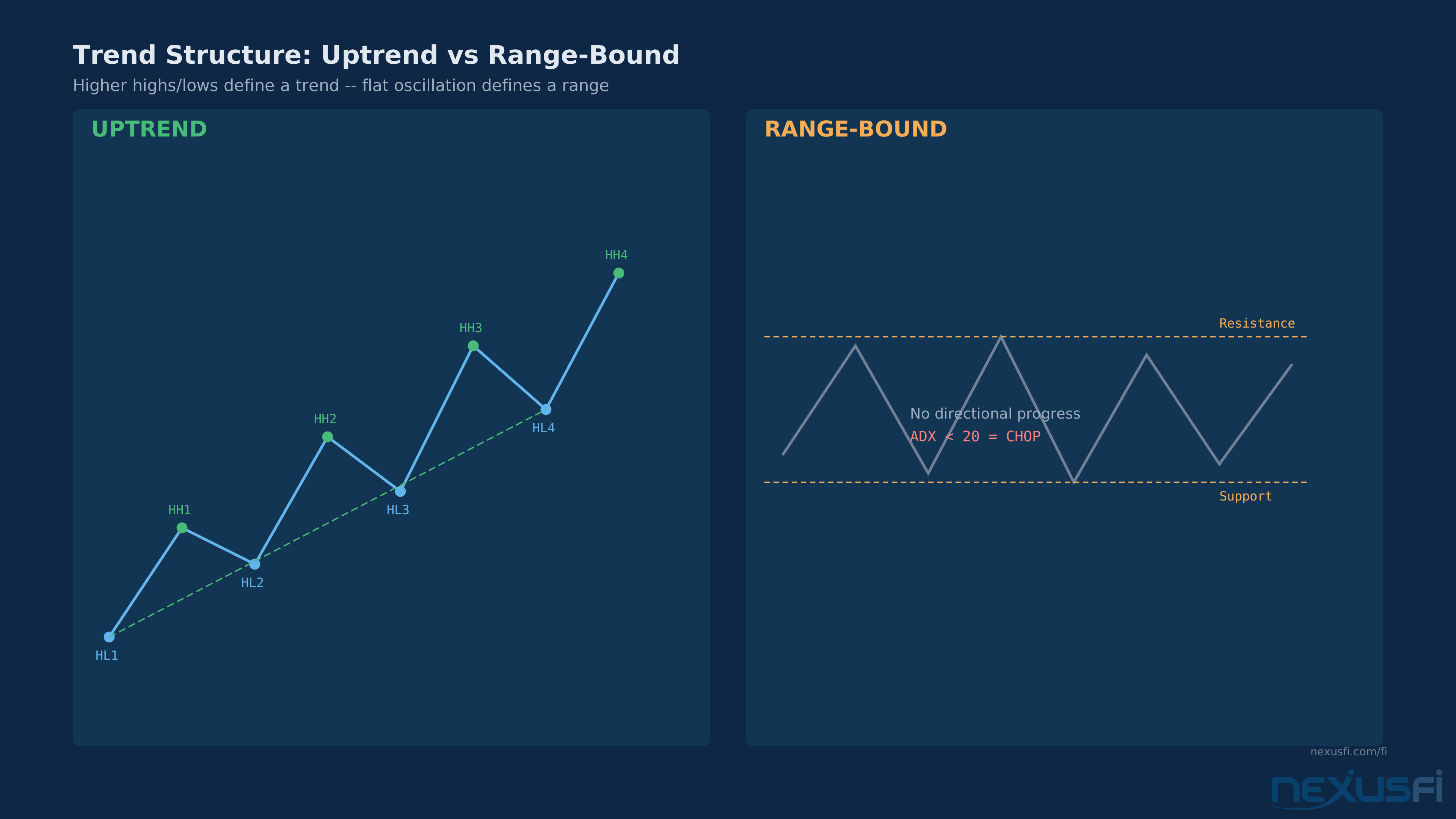
Trading ranges are the dominant market condition, yet most traders spend the majority of their educational time studying trends. Al Brooks estimates that mar...
Before explaining how to use these indicators, it's essential to understand what they actually measure -- because this determines when they work and when the...
Trend following is the oldest and most studied approach in futures trading -- and the most psychologically demanding. The premise is deceptively simple: iden...
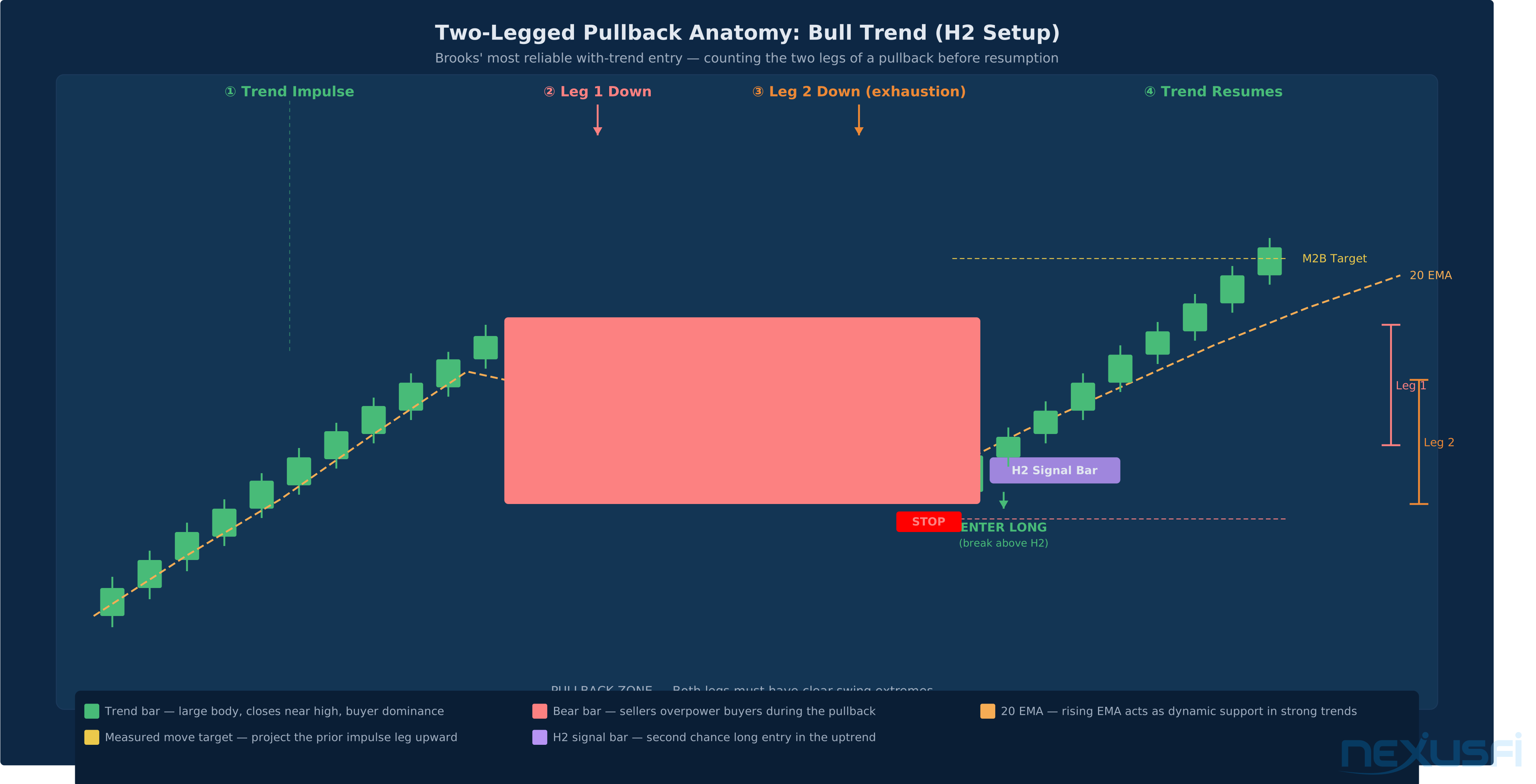
Al Brooks calls the two-legged pullback his most reliable with-trend entry -- and after decades of price action analysis across ES, NQ, CL, and virtually eve...
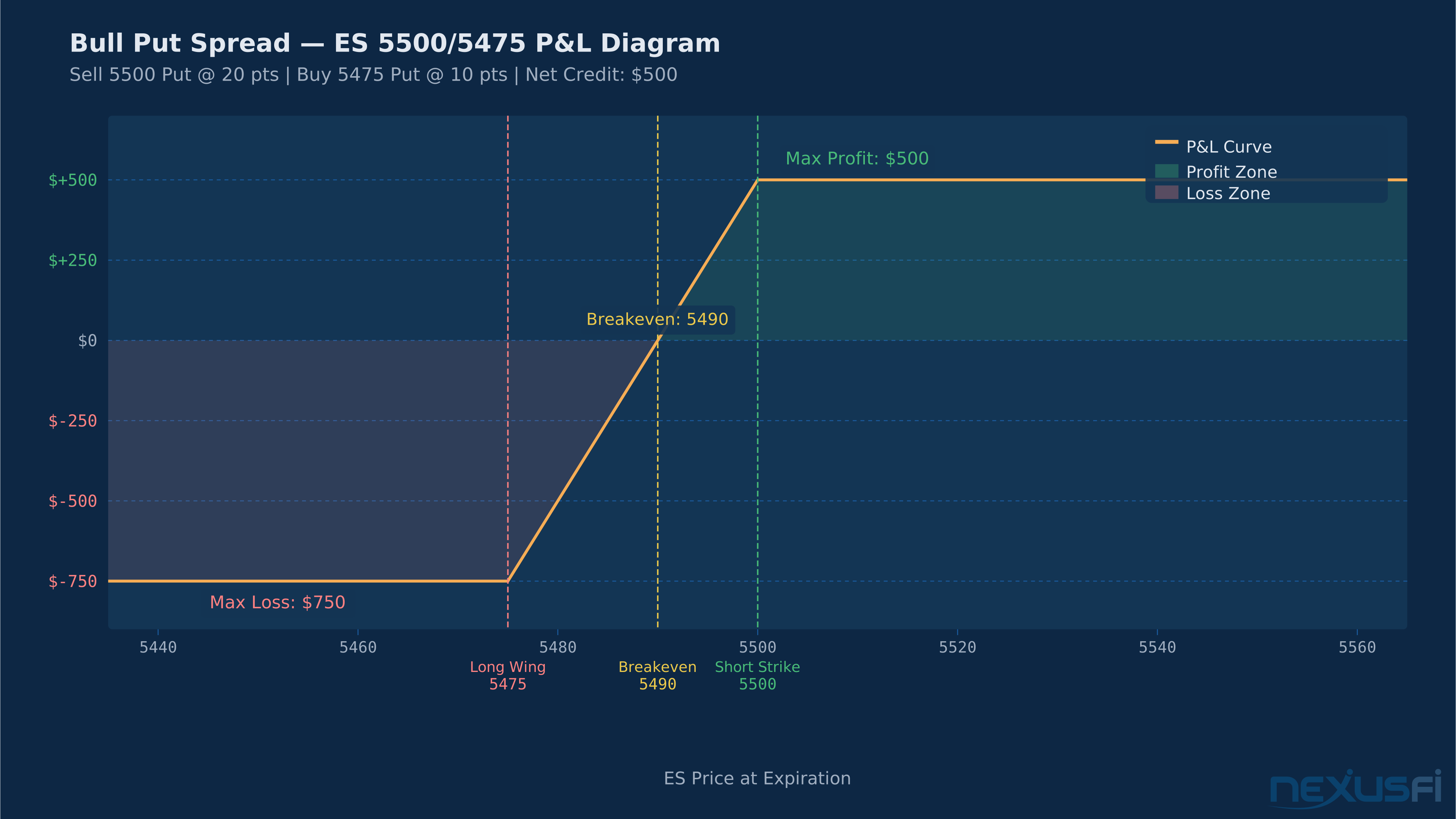
Vertical spreads are the most underused tool in the futures options trader's arsenal. You've got traders who go straight from "how do options work" to sellin...
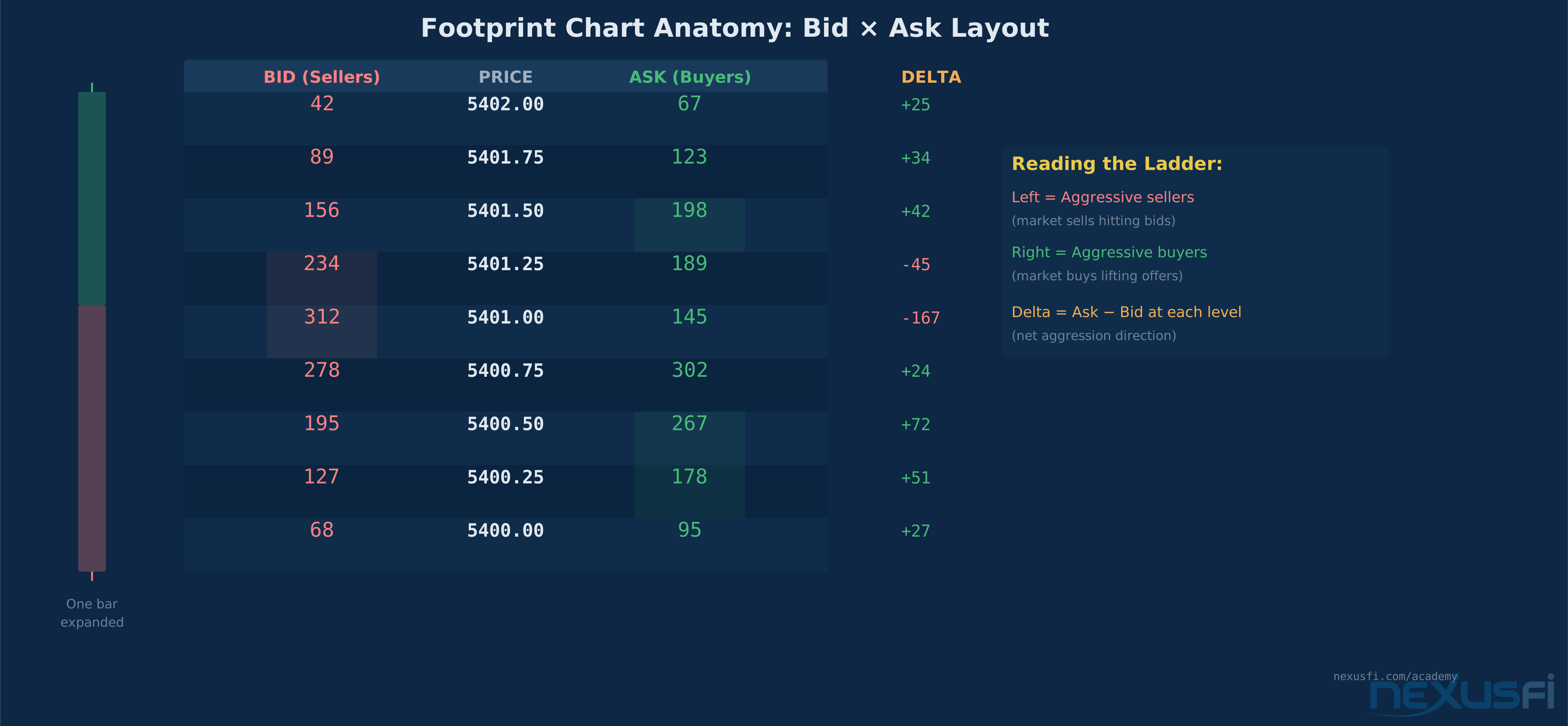
A footprint chart breaks open the candlestick and shows you what actually happened inside. Instead of open-high-low-close, you get executed volume at every p...
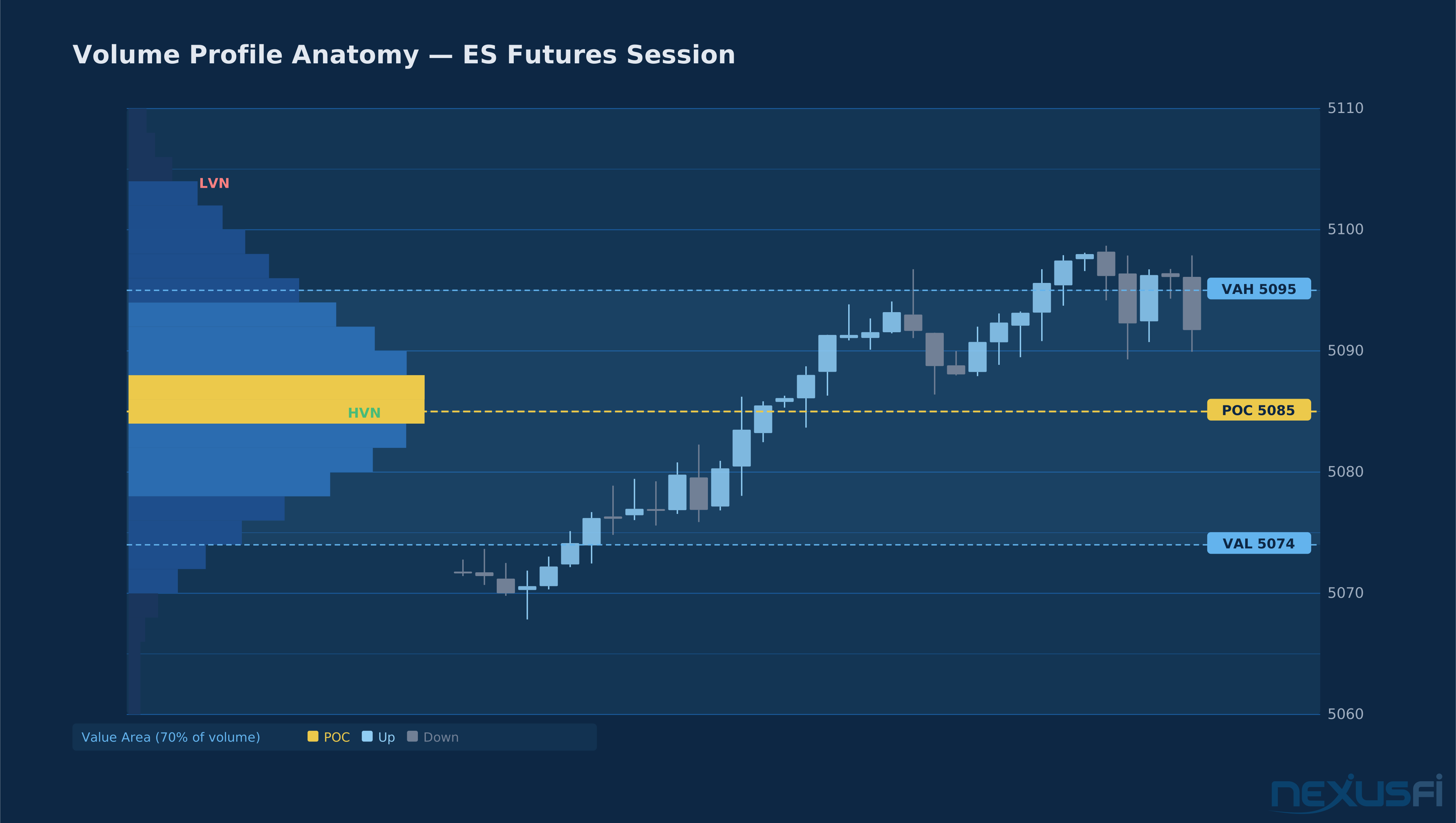
Volume Profile is a volume-at-price distribution. Instead of showing you how much traded during a time bar, it shows you where on the price axis the contract...
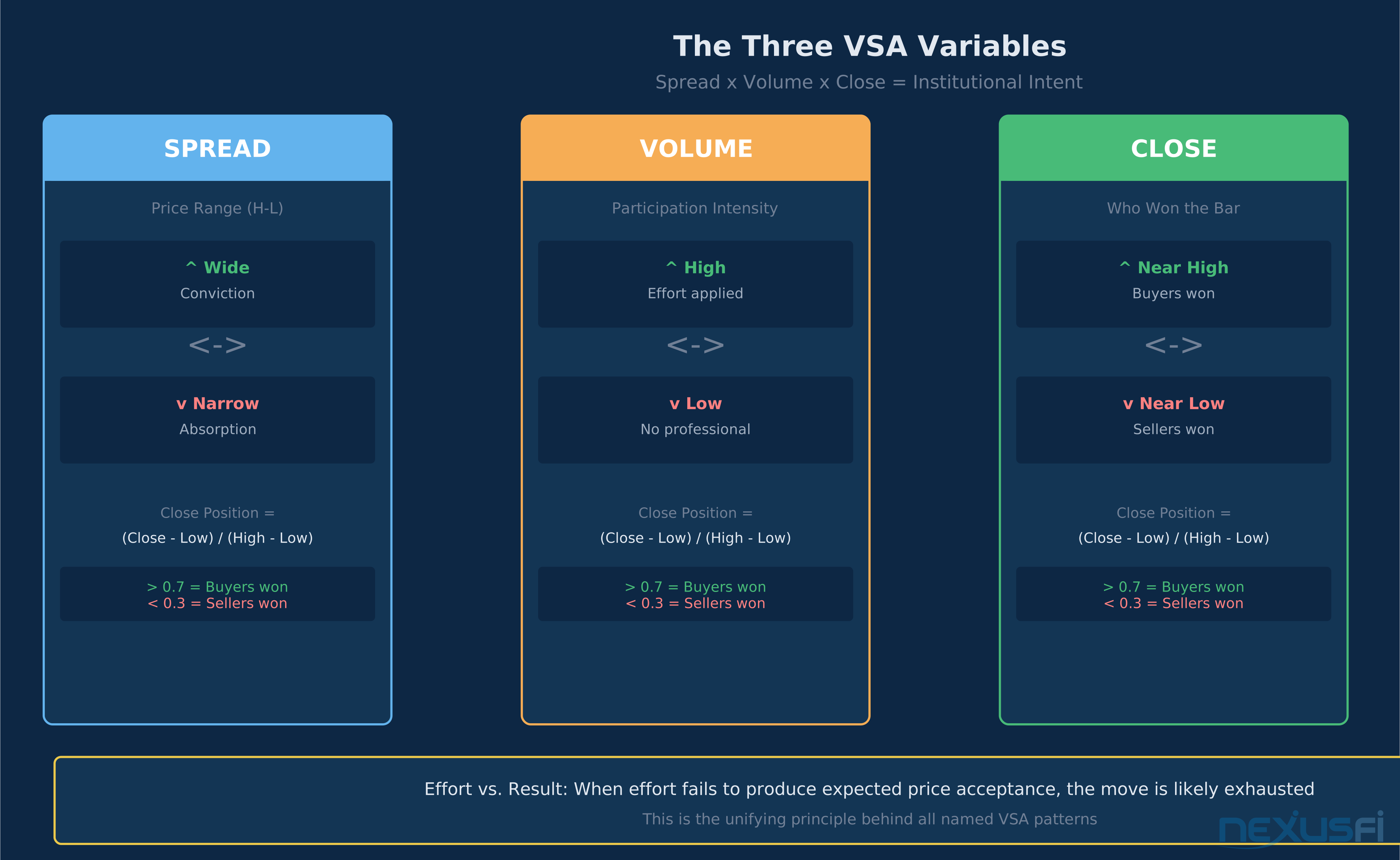
VSA reduces the entire market to three inputs. That simplicity is deceptive -- the combination of all three is where the edge lives. Variable 1: Spread (Pric...
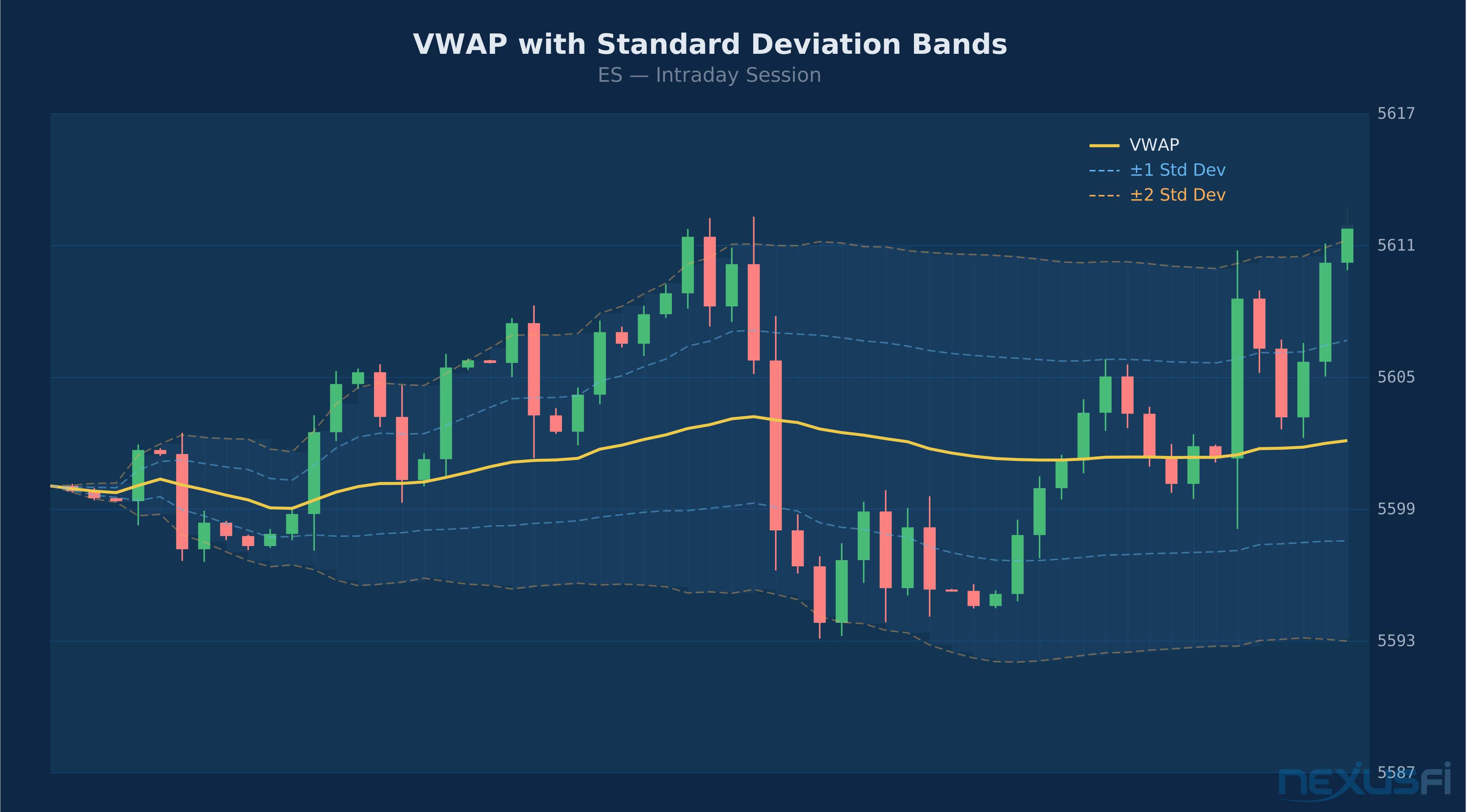
VWAP -- Volume Weighted Average Price -- is the cumulative average price weighted by volume over a specified period. The formula: VWAP = Σ(Price × Volume) ...
Most trend trades fail at the same place: the third push. Price has been grinding higher for two clean legs, you're long and feeling good, and then the marke...
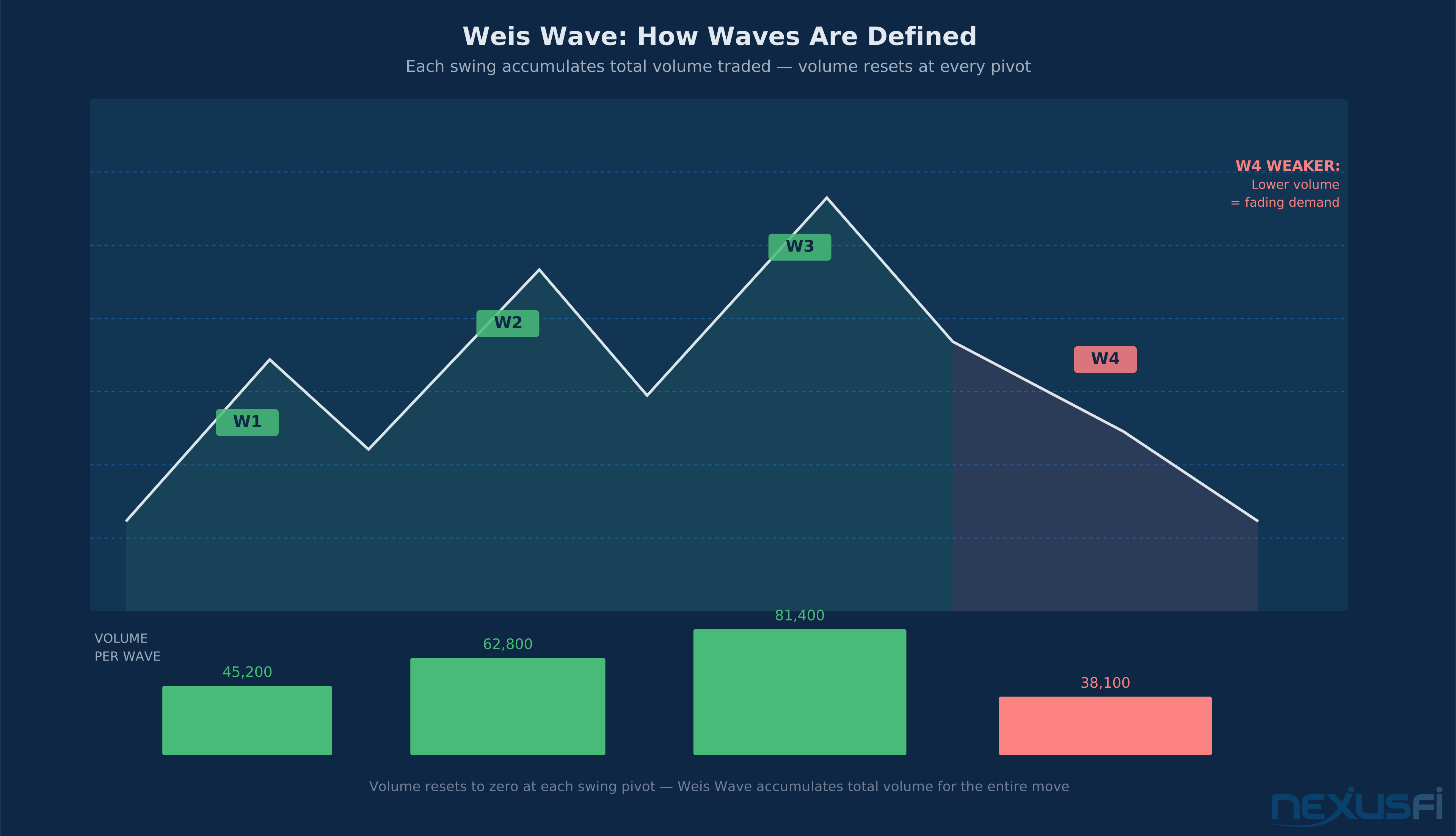
Weis Wave Volume Analysis transforms raw volume into a directional story. Instead of reading individual candle volumes -- a noise-heavy exercise -- it accumu...
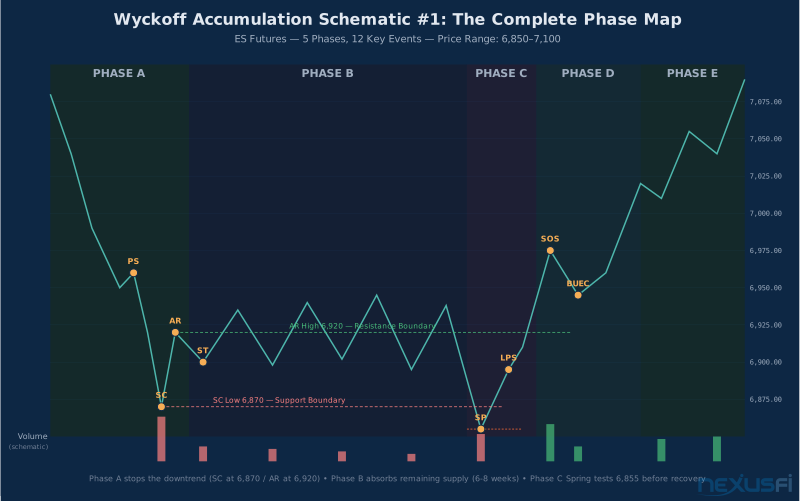
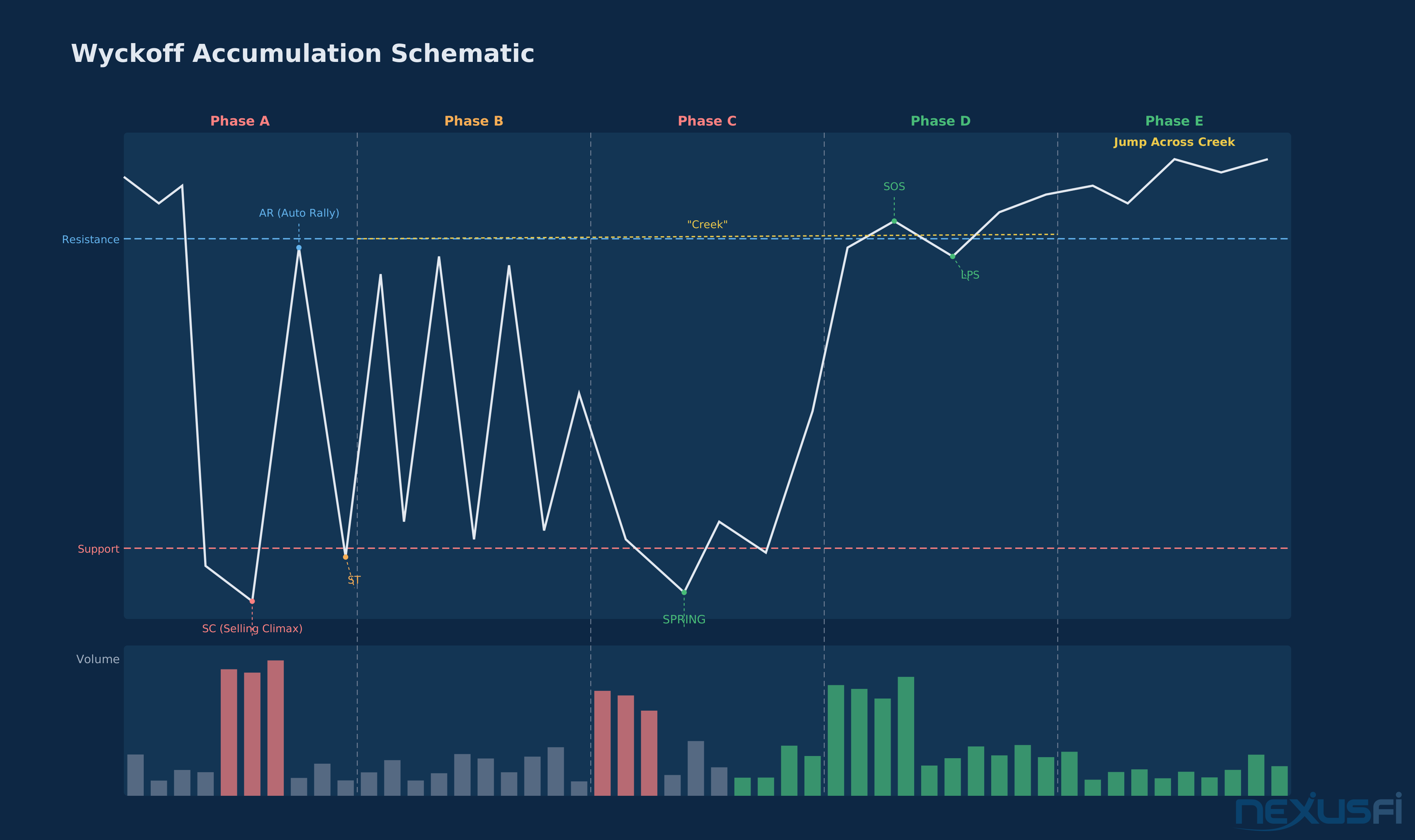
Most traders who discover Wyckoff's method get excited about the schematics -- the numbered phases, the labeled events (PS, SC, AR, ST, Springs, Upthrusts), ...
Wyckoff Method in Futures Trading ES breaks below yesterday's low on heavy volume. The sellside liquidity sweep looks decisive -- most traders call it a brea...
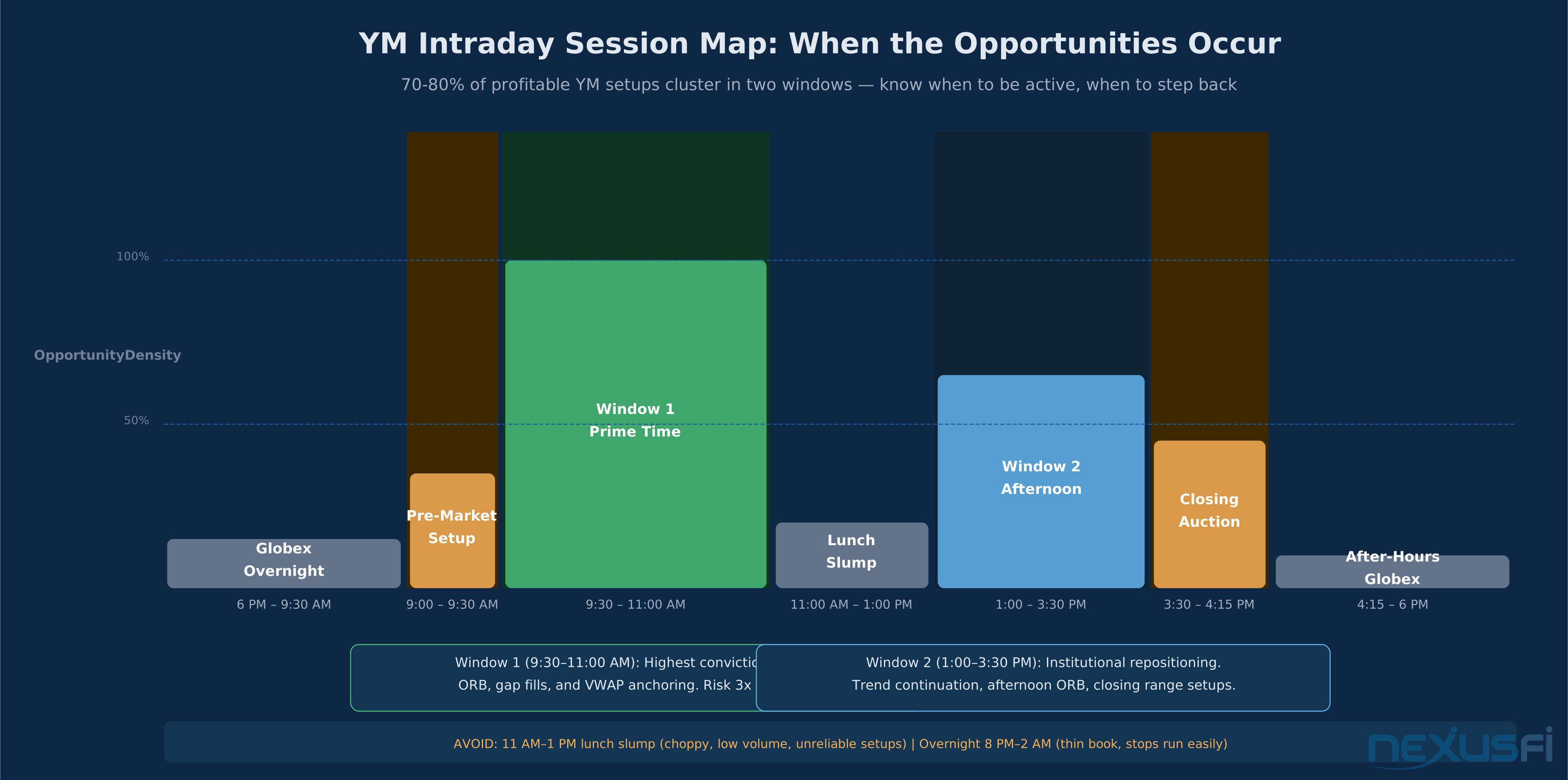
Overview The YM is the redhead stepchild of the equity index futures world. ES gets all the attention, NQ gets the momentum traders, and the YM quietly does ...